If you’re planning a safari in Uganda and want something truly special, then Ziwa Rhino Sanctuary is the place to go. This peaceful reserve is the only place in the country where you can go rhino trekking and see rhinos in the wild, a real highlight for wildlife lovers.
Here’s a full guide to visiting: what to expect, how to pack, where to stay, how to get there, and extra tips to make your trip smooth and memorable.
Why Ziwa Rhino Sanctuary is worth it
- Ziwa was established in 2005 to bring back rhinos to Uganda, after they were wiped out in the wild in the 1980s.
- It is located in the Nakasongola District, about 176 km north of Kampala, along the Kampala‑Gulu highway.
- Inside the 70 km² (about 7000 hectares) reserve you’ll find not only rhinos but also lots of bird species (300+), antelopes, monkeys, and nature trails.
- Trekking the rhinos is done on foot with trained guides/rangers—so you get an up‑close nature experience.
- It works well as a stop if you are on a longer Uganda safari or as a short wildlife detour.
- The conservation story (bringing back the rhinos) adds a deeper meaning to your visit.
What to pack
Here’s a good packing list when heading to Ziwa. The terrain is savanna + bushland, so prepare accordingly.
Clothing & footwear
- Closed walking shoes or light trekking boots — you’ll be walking through bush and uneven ground.
- Long trousers and long‑sleeved shirts: to protect from sun, insects, bush.
- Neutral colors (khaki, olive, beige) are better than bright colors for nature walks.
- A light waterproof or windbreaker: depending on weather, especially if it rains.
- Hat and sunglasses: for sun protection.
- Comfortable socks, maybe gaiters if you expect tall grass.
Other essentials
- Insect repellent and anti‑malaria advice if needed.
- Sunscreen.
- Water bottle.
- Binoculars and camera.
- A small day‑pack.
- Torch/flashlight.
- Waterproof cover for camera/phone.
- Copy of passport/ID, some cash or card.
- Spare power bank or extra battery for camera/phone.
- Basic first‑aid kit.
- Respectful behavior: silence, follow guides’ instructions, no feeding/touching wildlife.
Activities & what you can do
- Bird watching: with 300+ bird species, the sanctuary is a bird‑lover’s dream.
- Nature walks: exploring bush, savannah, perhaps seeing antelopes, monkeys etc.
- Canoe rides/swamps (depending on which part you go) and maybe shoebill sighting.
Best time to visit & how to get there
Best time
- Dry seasons: June to September and December to February.
- Wet seasons (March–May, November) offer lush greenery and excellent birding, though ground may be muddy.
- The sanctuary is open year‑round.
Getting there
- From Kampala: Drive about 3 hours (176 km) via Kampala–Gulu Highway then branch off at Nakitoma trading centre.
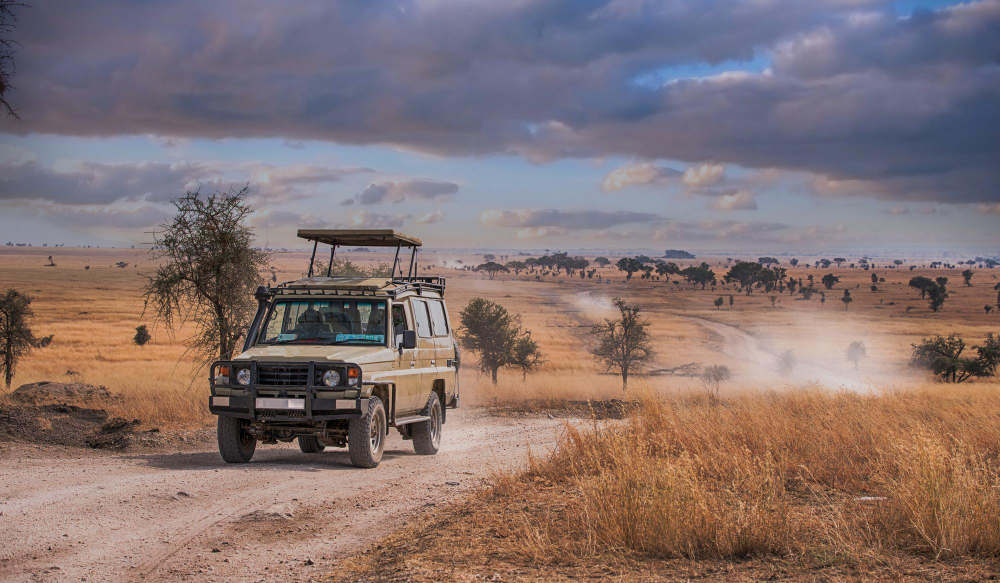
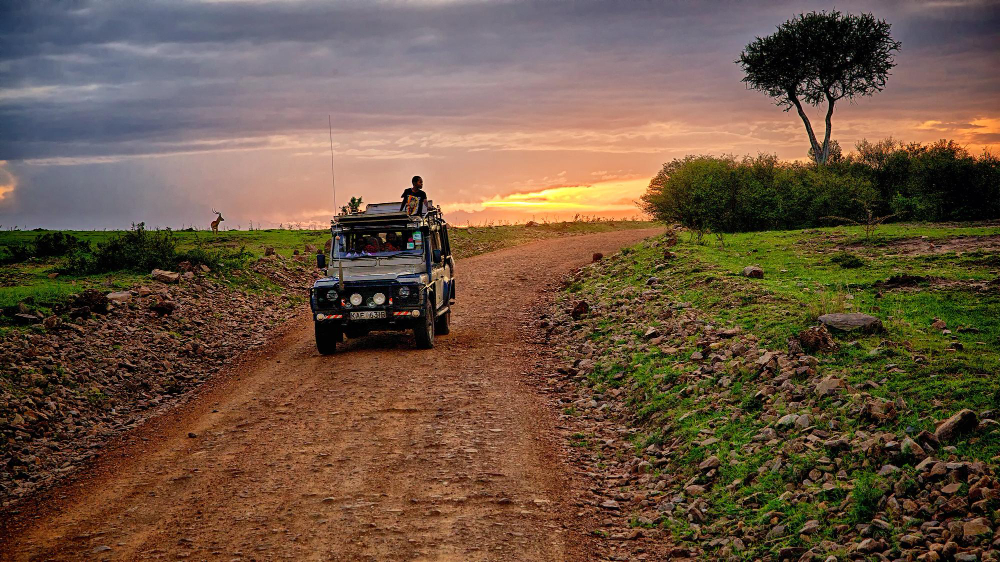
- 4×4 or comfortable car is recommended, especially if it has rained.
- Public transport: bus to Nakasongola then taxi/boda‑boda to the sanctuary entrance.
Costs & practical details
- Activity fees: For non‑residents rhino tracking costs around US $60 per person.
- Accommodation rates vary by level: budget rooms vs luxury chalets.
- Health & safety: Bring mosquito repellent, check malaria advice, have appropriate travel insurance.
- Respect the environment: follow all the sanctuary rules, do not litter, do not disturb animals.
Tips & things to know
- Go early: The morning session often gives the best chance of wildlife movement.
- Expect moderate fitness: You’ll walk on uneven ground.
- Stay for at least one night: Doing a day‑trip is fine, but staying overnight lets you relax.
- Combine with other parks if on a longer safari.
- Bring extra memory cards and batteries for your camera.
- Respect wildlife: Stay quiet, keep distance, follow guide’s instructions.
- Check weather and road conditions: roads may be rough after rain.
- Consider a local tour operator who knows the place.