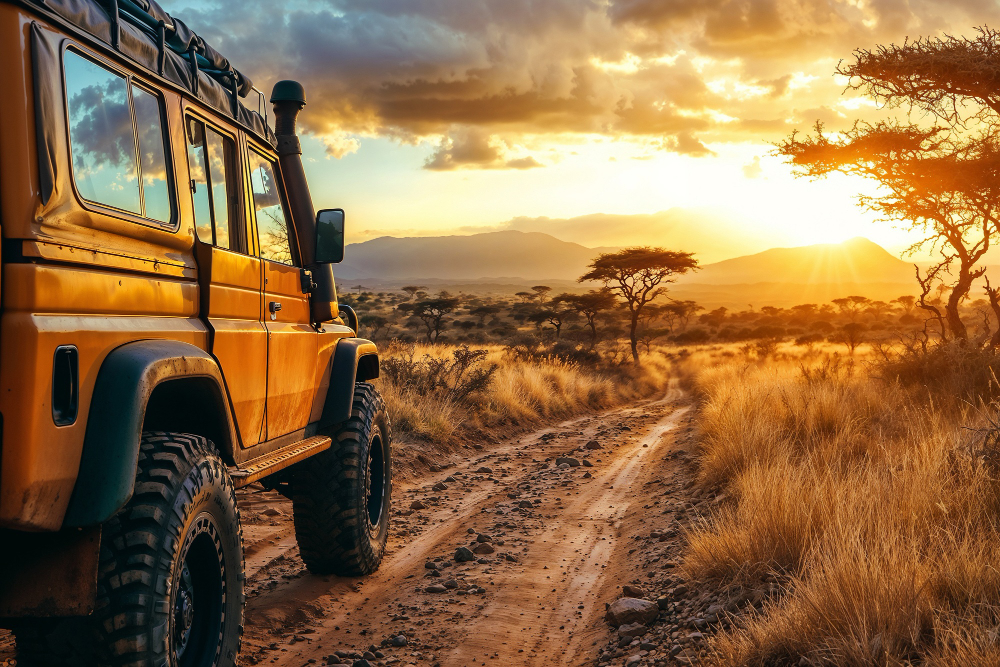
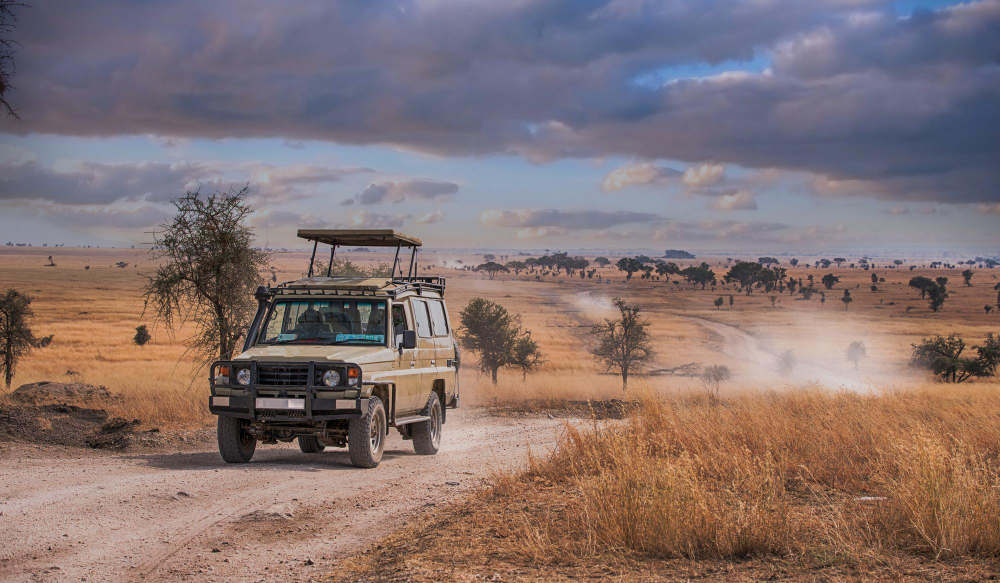
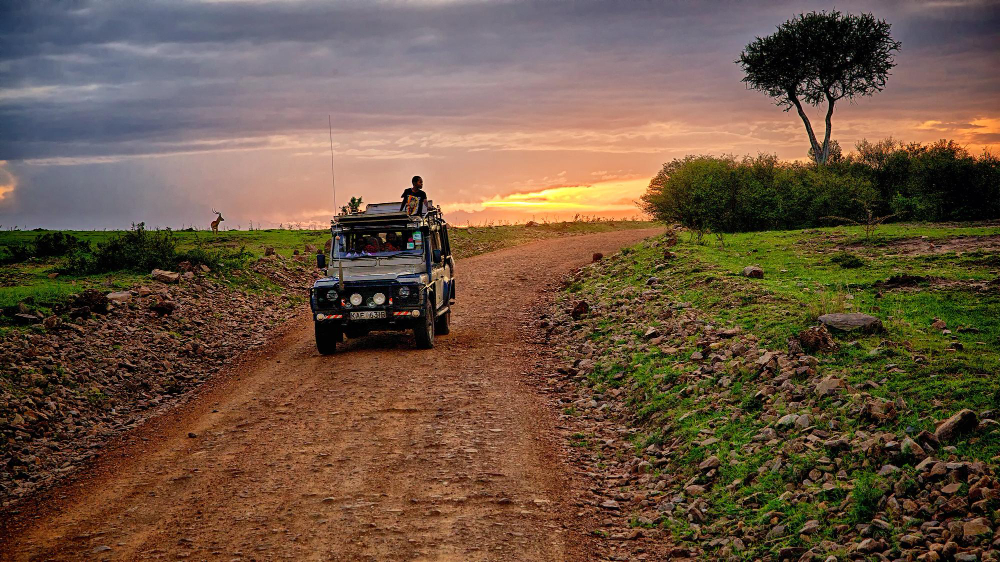
Tanzania is a dream destination for safari enthusiasts, offering vast wilderness, unique wildlife, and some of Africa’s most iconic migration routes. While national parks like the Serengeti often steal the spotlight, Tanzania’s wildlife reserves provide equally spectacular experiences with fewer crowds, authentic encounters, and pristine landscapes.
In this guide, we’ve highlighted the six must visit wildlife reserve in Tanzania, detailing what each reserve offers, the best activities to enjoy, and the ideal time to visit for an unforgettable safari adventure.
Must Visit Wildlife Reserves in Tanzania
Tanzania’s wildlife reserves are a testament to the country’s rich biodiversity and offer a variety of experiences for wildlife enthusiasts. Here are some of the must-visit reserves:
1.Gurumeti Wildlife Reserve
Gurumeti Game Reserve lies within the western Serengeti ecosystem and plays a vital role in protecting key migration corridors. Its rolling savannahs, riverine forests, and the crocodile-filled Gurumeti River create a rich and dramatic wildlife environment.
It was formed in 1993 to conserve wildebeest migration herds. It’s also a buffalo zone for animals to come across for the purpose of searching water.
Activities to do
- Game drives
- Off-road safaris
- Guided walking safaris
- Photographic safaris.
Best Time to Visit
- June to October is ideal for witnessing the Great Migration, while January to March offers excellent resident wildlife sightings and lush scenery.
2. Maswa wildlife Reserve
Maswa wildlife Reserve is a prime destination for wildlife enthusiasts and nature lovers, located in the northern part of Tanzania, adjacent to the Serengeti National Park and Ngorongoro Conservation Area
This reserve covers an area of approximately 2,200 square kilometres and is known for its diverse ecosystems, rich wildlife and spectacular scenery.
Activities
- Game drives are the primary activity, offering sightings of lions, elephants, buffaloes, giraffes, and antelopes. Its isolation makes it perfect for immersive wilderness safaris.
- Birdwatching
- Walking Safaris
Best Time to Visit
- December to March is excellent during the calving season, while June to October offers dry-season game viewing.
3. Rungwa Wildlife Reserve
The Rungwa wildlife reserve is a protected area in Tanzania that covers an area of 9,000 square kilometres. It was established in 1951, situated in Itigi District, Singida region and since 2005, this area is considered a lion conservation unit.
The reserve is composed of hills mixed with patches of forest along the streams and the Mpera River valley, which provides water in the dry season and becomes the best game viewing areas from July to November. It covers a large part of Central and West Tanzania and primarily covered with miombo woodlands giving access to excellent thicket, a unique vegetation type found only in two places in Africa.
The predominant wildlife species in Rungwa wildlife Reserve are: lion, leopard, African buffalo, eland, sable, greater kudu, grysbok, klipspringer, oribi, hartebeest, impala, zebra, hippopotamus, crocodile and bush pig.
Activities
- game drives
- walking safaris
- wilderness camping
- Birdwatching
Best Time to Visit
- The dry season from June to October is best for wildlife viewing, as animals gather near water sources.
4. Kigosi wildlife Reserve
Kigosi wildlife Reserve is one of Tanzania’s most remote and least explored wildlife areas, offering travelers a truly off-the-beaten-path safari experience. Located in western Tanzania, the reserve is part of a vast ecosystem of wetlands, floodplains, woodlands, and grasslands, making it one of the country’s most ecologically diverse conservation areas.
The reserve is especially renowned for its rich biodiversity. Kigosi is home to large populations of buffalo, elephants, lions, leopards, and several antelope species, including sable and roan antelopes. Its extensive swamps and rivers also support hippos and crocodiles, while the varied habitats make it a paradise for birdlife, with hundreds of resident and migratory species recorded.
Activities
- Game drives
- Birdwatching
- Nature exploration is popular here.
Best Time to Visit
- June to September is ideal, as water levels are manageable and wildlife viewing is at its best.
5. Ugalla Wildlife Reserve
Ugalla Wildlife Reserve is one of Tanzania’s most remote and pristine conservation areas, offering an authentic wilderness experience far removed from the busy safari circuits. Located in central-western Tanzania, in the eastern part of Lake Tanganyika, the reserve forms part of a vast and ecologically important ecosystem dominated by miombo woodlands, open grasslands, seasonal wetlands, and riverine forests.
The reserve supports an impressive variety of wildlife adapted to its rugged and untamed landscapes. Visitors may encounter elephants, buffaloes, giraffes, zebras, wild dogs and large antelope species such as roan and sable antelopes.
Predators including lions, leopards, and hyenas also inhabit the reserve, while the Malagarasi River system provides a haven for hippos, crocodiles, and a rich diversity of birdlife, making Ugalla especially appealing to bird enthusiasts.
Activities
- game drives
- Birdwatching
- Walking safaris
- Specialist primate tracking experiences for adventurous travelers.
Best Time to Visit
- The dry season from May to October offers the best access and wildlife sightings.
6. Moyowosi Wildlife Reserve
Moyowosi Wildlife Reserve is one of Tanzania’s largest and most untouched wilderness areas, offering an exceptional safari experience for travelers seeking true isolation and raw natural beauty. Located in western Tanzania, the reserve forms part of the greater Moyowosi–Kigosi ecosystem, a vast landscape of floodplains, wetlands, woodlands, and seasonal rivers that support remarkable biodiversity.
The reserve is particularly known for its strong populations of elephants and buffalo, as well as healthy numbers of lions, leopards, hyenas, and wild dogs. Large antelope species such as roan and sable antelopes thrive in the open grasslands, while the extensive wetlands attract hippos, crocodiles, and an impressive variety of birdlife.
Moyowosi is considered one of the most important wetland systems in East Africa, making it a paradise for birdwatchers and nature photographers.
Activities
- Game drives
- Birdwatching
- Riverine wildlife viewing, with chances to see hippos, crocodiles, elephants, and rare antelope species.
- Photography
Best Time to Visit
- June to October is the best period for accessibility and wildlife viewing.
Why Visit Tanzania’s Wildlife Reserves?
Tanzania’s wildlife reserves offer a deeper, more intimate safari experience compared to busy national parks. Travelers benefit from low tourist density, diverse habitats, and authentic wilderness encounters while supporting conservation and local communities.
Must Visit Wildlife Reserves in Tanzania: Conclusion
Tanzania’s wildlife reserves offer a rare opportunity to experience Africa in its most natural and unspoiled form. Far from the crowds, these reserves reveal vast landscapes where wildlife roams freely and every safari feels personal and immersive. From the dramatic migration corridors of Gurumeti to the remote wetlands of Moyowosi, each reserve tells a unique story of conservation, biodiversity, and adventure.
To make the most of your journey, book with us so that we can help you plan better!