Categories
Uncategorized

Is Uganda Safe for Female Solo Travelers?

Uganda—often called the Pearl of Africa—is one of East Africa’s most captivating destinations. With its lush landscapes, extraordinary wildlife, and genuinely welcoming people, it’s no surprise that more women are choosing to explore it solo.

So the question is: Is Uganda safe for female solo travelers?

The answer is yes, with the right preparation and guidance, Uganda is not only safe but deeply rewarding.

Understanding Safety in Uganda
Uganda is considered one of the safer travel destinations in East Africa. Entry points like Kampala and Entebbe offer a blend of modern comfort and rich local culture. Ugandans are widely known for their warmth, friendliness, and willingness to help visitors feel at home.

Like anywhere in the world, your experience depends on awareness, preparation, and making smart choices.

Key Safety Tips for Female Solo Travelers
Respect Local Culture
Uganda is culturally modest, especially in rural areas. Dressing respectfully helps you blend in and feel more comfortable.

Choose Trusted Transport
Avoid random taxis or boda bodas, particularly at night. Always use reliable transport or travel with a trusted operator like Bwindi Trails Expeditions.

Avoid Walking Alone at Night
Stick to well-lit areas and plan your movements in advance. Safety is about being proactive.

Stay in Secure Accommodation
Select vetted hotels and lodges with good security—this adds peace of mind when traveling solo.

Be Mindful of Your Belongings
Keep valuables discreet and use anti-theft bags, especially in busy places.

Safari & Wildlife Safety
Uganda’s wildlife experiences are unforgettable—from elephants and lions to the iconic mountain gorillas in Bwindi Impenetrable National Park.

At Bwindi Trails Expeditions, your safety is always our priority. We provide:

  • Professional and experienced driver-guides
  • Strict adherence to park safety regulations
  • Armed ranger escorts for activities like gorilla trekking

You explore with confidence, knowing every detail is handled.

Cultural Friendliness & Local Interaction
Ugandans are naturally warm and welcoming. A smile or greeting often opens doors to meaningful interactions.

While friendliness is part of the culture, it’s important to maintain polite boundaries and stay aware—just as you would anywhere else in the world.

Stay Connected & Prepared

  • Get a local SIM or eSIM for easy communication
  • Share your itinerary with someone you trust
  • Keep emergency contacts accessible
  • Carry copies of important documents
  • Preparation builds confidence—and confidence transforms your journey.

Why Travel with Bwindi Trails Expeditions?
Traveling solo doesn’t mean traveling alone. With us, you gain:

  • Tailor-made itineraries
  • Safe, reliable transport
  • Expert local guides
  • 24/7 on-ground support
  • Deep knowledge of Uganda’s hidden gems

We don’t just organize trips—we create safe, empowering, and unforgettable experiences.

Final Thoughts
So, is Uganda safe for female solo travelers?
Absolutely—with the right support and mindset.

Uganda offers more than just adventure—it offers connection, growth, and stories that stay with you forever.

Start Your Solo Journey
Let Bwindi Trails Expeditions guide you through Uganda with confidence and care.

From gorilla trekking to immersive cultural encounters, your journey to the Pearl of Africa begins here.

Categories
Uncategorized

Kenya holiday for couples

No matter if it’s your honeymoon, or you just want to spend some quality-us-time: during a couple holiday in Kenya, you’ll surely fall in love with each other even more! Imagine you and your special someone switching into explorer mode in the Masai Mara, falling asleep under the starry sky and enjoying breakfast in front of a waterhole where elephants, impala and giraffes quench their thirst. You crave a bit more luxury? Then head to Chale Island or Diani Beach, check into some fancy but cosy lodges and relax at pearly white beaches.Before we share with you our favourite romantic and thrilling activities as well as wonderful lodges for your couple holiday or honeymoon in Kenya, we’d like to kick things off with an absolute must-do: a safari!

Discover the country’s most spectacular and beautiful national parks in your own safari jeep and with your private guide and driver. You’ve always dreamed of seeing a specific animal? Thanks to their experience, our guides know exactly where to find it and can spot it even from kilometres away. Just sit back, listen to your guide’s stories and enjoy the stunning land and fascinating wildlife around you!

Romantic adventures for couples in Kenya

  1. Hot air balloon safari

Probably you already feel like being on Cloud Nine… with a hot air balloon safari over the world-famous Masai Mara you’ll literally be there (okay, almost). Just after the sun rises you hop into the little basket and take off towards heaven. Even though it might be a little cold at that time of day, you won’t regret it: first, it gives you an opportunity to cuddle with each other and second, the animals are most active in the morning. You can share this experience with other guests or turn it into a just-the-two-of-us-adventure – it’s completely up to you!

  • Bush dinner and sundowners

A dinner in the bush is supposed to be romantic? Oh yes, it is! Just the two of you will enjoy some yummy food in the middle of the savannah, surrounded by nothing but the lions’ roars, the birds’ chirps and the setting sun at the horizon. No matter if Amboseli, Tsavo East, Tsavo West or Samburu National Reserve – a bush dinner and sundowners will make your couple’s holiday in Kenya even more special.

  • Private sunset cruise

When in Diani, you shouldn’t miss out on a private sunset cruise. In a traditional ngalawa boat, you sail towards the setting sun on the Indian Ocean. Marvel at the Kongo River and the Shimba Hills in this unique light and enjoy snacks, drinks and a delicious dinner while doing so. And yes, this might just be the perfect moment to ask your loved one to share the rest of their life with you. Just saying 😉

  • Night safaris

Okay, a night safari could also fit in the next category of “Thrilling adventures for couples”, but it’s also romantic! When driving through the rugged nature of the Lumo Conservancy, you can move closer to each other and keep your eyes open for nocturnal animals like leopards, lions, owls and serval cats – and thanks to the powerful light of the safari jeep you might even spot the shiest of them.

Thrilling adventures for couples in Kenya

  • Hiking adventure

In Kenya, you can either hike up Mount Longonot or even Mount Kenya. However, if you want to reach the summit of Mount Kenya, you definitely need a few days. Should you just want to go on a day hike, Mount Longonot is perfect. The dormant volcano is close to the wonderful Lake Naivasha and spoils you with stunning views over the crater and the Kenyan Rift Valley. Of course, you’ll also meet plenty of animals like zebras, gazelles, giraffes and maybe even a few buffalos.

  • Walking safaris

You want to immerse yourself even more in the Kenyan flora and fauna? Then join a walking safari, for example at the shores of Lake Naivasha. Hike up and down the green hills and listen to your guide’s stories about nature and wildlife. This is the perfect opportunity to not only see hippos, giraffes, zebras or waterbucks up close, but also little animals that you’d usually miss in a jeep. Hiking in an area filled with wild animals will surely make the bond between you even stronger.

  • City tours

If you also want to feel the hustle and bustle of Kenya’s two biggest cities, you should definitely follow your heart. Mombasa combines the historic centre Old Town with a vibrant city life. Discover the colourful spice market, the historical Fort Jesus and enjoy local cuisine and cocktails until late at night. During a Nairobi city tour, we’ll take you to all the highlights – from Uhuru Park and the National Archives to a Maasai Market and the McMillan Library. If you want to discover the city from a different perspective, join the Nai Nami City Tour, where former street kids give you a very special insight to the country’s capital.

Categories
Uncategorized

How to plan a Uganda safari with us

STEP 1: Four key questions to think about


Thinking about the questions below will help you get started with the plan for your Uganda safari.

How much time do you have for your Uganda safari?


The first step to plan your Uganda safari is to think a bit about how long you wish your safari to be. Do you have time for a long three weeks holiday or just a few days? For a gorilla trekking safari the minimum length is 3 days plus arrival and departure days if needed. So that is the least amount of time you would have to allot for your adventure if the target is to see the mountain gorillas.

If your dream is to reach the peak of the Rwenzori Mountains you have to allow seven days for the hike. As well as travel days to reach the mountain and back to Entebbe. With that said many who decide to come for a safari to Uganda wish to discover more of this beautiful country. Since Uganda is so diverse you can be kept busy for three weeks if you wish. But will see plenty during a safari of 10 days too.

What budget do you have for your Uganda safari?

Before you start looking at options and getting carried away. It is good to think about how much you are willing to spend on your Uganda Safari. Plan what your budget is and start looking with that in mind. Decide if you are looking for budget, mid-range, luxury or a bit of a mix when it comes for accommodation.

When do you plan to travel for a Uganda safari?

We usually say that you can travel to Uganda any time of the year. Being at the Equator the seasons here don’t vary that much even if we have dry seasons and wet seasons. Planning your safari during the dry season reduces the risk of rain. But also means that you are travelling during the high season so it is a trade off between travelling in busy times and wishing to minimize risk of rain. Our high seasons last from June to August and mid December to February. And this is the driest times of the year. The wet season in Uganda normally gives rain of an hour or so per day so it is no problem to travel at this time if you don’t mind that and you get the luxury of less people in the national parks.

What do you wish to include in your safari?

When planning for a Uganda safari it is good to think through what you wish to get out of your safari. Is the main target to see the Big 5, to learn more about the culture, to tick off as many birds as possible or to go trekking mountain gorillas and chimpanzees? The answer to this question will make it easier to sort out an itinerary that fits you and will make sure you get the most out of your safari. Take time to read about Uganda and possible activities to answer this question, read guide books and look at itineraries to help in the decision. Under safaris in the menu at the top of this page you will find well tested itineraries that give you a good idea of what is possible here in the Pearl of Africa.

STEP 2: Contact us to start your journey


When you have the answer to the questions above it is time to take the next step by contacting us. At this point you might already have found an itinerary that fits you. Or you have decided that you wish to have a tailor made itinerary for your Uganda safari. In your first mail to us you can include number of people and preferred rooming arrangement. As well as your answers to the questions above. Our experienced tour consultant then gets back to you with a suggestion of an itinerary and price based on the information you have given. From there the planning of your Uganda safari gets in to the fine tuning stages of answering any questions. And adjusting the itinerary until you are satisfied.

STEP 3: Finalize your booking


We are now at the point of finalising and you decide to book your Uganda safari with us. Our tour consultant drafts a contract for the safari and mails it to you to read through, fill in your details and scan to mail back to us. At the same time you receive information on how to make the first deposit to secure the safari and we start to make arrangements for your adventure in Uganda. After that it is just for you to lean back and relax as you dream of your journey to come.

Categories
Uncategorized

Tipping on safari in Uganda

Here we will tell you all you need to know about tipping on safari in Uganda. First of all it is good to point out that tipping is not something required here as in some other cultures. There are no set amounts for different services. With that said a tip for good service is always appreciated.

Within the tourism industry tipping is common. You will not be looked at as strange for showing your appreciation with a tip. Many of the people you will come across during your Uganda safari live on small incomes. Your tip can make a difference in the life of them and their family.

Which Currency Is Used For Tipping In Uganda?


Tipping is best done in the local currency, Uganda Shilling. The reason for this is that exchanging foreign currency can be complicated for many out in the countryside. Your safari guide is the possible exception here as the guide is used to handle US dollar and Euro.

Who is to Tip during a Uganda Safari?

During your safari you will come across some main situations where you might feel like tipping. We have divided these into categories below, to guide you around tipping on safari in Uganda.

Your Safari Guide?

The safari guide is the one who drives you around and tells you all about the interesting sights you come across during your safari. A rule of thumb can be to calculate your tip to the guide based on 10 US dollar or equal in Uganda Shilling per day.

Staff at Lodges

Lodges usually have a tip box located in the reception or restaurant. What you put into this tip box is then shared among the staff at the lodge. If you have appreciated the service during your stay a tip of 10 000 – 20 000 Uganda Shilling is fine.

For Gorilla Trekking

A guideline when it comes to tipping after the gorilla trekking is to tip equal to 10 USD per person. This tip is given to the head guide who then divides it among the team escorting you. Note that if you have asked for a porter to assist you personally you are to pay him 15 USD (this is his payment for the work so not a tip).

Cultural Performances

If you come across dance performances or other cultural shows during your safari it is common to give a tip. In most cases it is villagers performing and they are not paid but rather earn through the tips they are given. The size of the tip you give depends fully on your appreciation of the performance.

Site Guides

Depending on the outline of your itinerary you might come across site guides during your Uganda safari. This can be for example site guides for birding, a nature walk, a village walk or safari walk. If you wish to give a tip in these cases tipping can be on the level of 5000 to 10 000 Uganda Shilling.

Categories
Uncategorized

How many days are needed for a Uganda safari?

How many days needed for a Uganda safari can have different answers. It all depends on what your time/budget limitations and expectations are. Below we will go through what you can experience on a minimum amount of days, typical time for a Uganda safari and a longer Uganda safari.

Minimum time for a Uganda tour


If we start with the minimum time needed for a Uganda safari it can be as short as three days. Most visitors who make the journey to Uganda. And spend only three days have come with the target to see the Mountain Gorillas. If you plan your flights well it is doable to land early morning day 1 to do the transfer to Bwindi Impenetrable National Park. Then on day 2 you do the Mountain Gorilla trek. Lastly on day 3 you make the journey to Entebbe to catch an evening/night flight. An option for a swift Mountain Gorilla safari. Like this is to fly in and out of Kigali (Rwanda) where we then pick you to go for the Mountain Gorilla trek in Uganda. This way you save on the transfer time.

However, If you add on a day or two you can include. For example tree-climbing lions in Ishasha, a boat-cruise on Kazinga channel in Queen Elizabeth National Park or chimps trekking in Kibale Forest. A common reason to do a short safari in Uganda is that visitors combine chimps and Mountain Gorillas in Uganda. With animals of the savannah in Kenya’s Masai Mara or Tanzania’s Serengeti and Ngorongoro Crater.

Typical time for a Uganda safari


The most typical time-frame for our visitors’ Uganda safaris is between one and two weeks. During a safari of one to two weeks it is possible to get a mix of primates in the jungle, animals of the savannah and Ugandan culture. A seven day Uganda safari typically focuses on the west of the country. With animals of the savannah in Lake Mburo National Park and Queen Elizabeth National Park as well as Mountain Gorillas in Bwindi Impenetrable National Park and chimpanzees in Kibale Forest National Park.

Furthermore, When targeting a Uganda safari of around two weeks it is common to include the west as described above but then also add Murchison Falls National Park, Ziwa Rhino Sanctuary and possibly Kidepo Valley National Park in the far north of the country. Depending on your interests it is for example possible to add in hikes in the mountains of Rwenzori Mountains National Park or volcanoes in Mgahinga Gorilla National Park. If you have an interest in culture you can plan to include village walks and community experiences learning more about for example the Karamojong or Batwa people. For birders it is common to adapt the entire itinerary to their interest of birding in Uganda, but a visit to Mabamba swamp to search for the prehistoric looking Great Shoebill Stork can interest most.

A longer Uganda safari


If you have plenty of time you can easily spend three weeks exploring Uganda. So you see that the answer to the question of number of days needed for a Uganda safari can be very different depending on who asks. A long journey like this usually includes the east of Uganda with beautiful scenery and interesting culture. Here we have Jinja with the source of the Nile, Sipi Falls with impressive waterfalls and the Sebei tribe showing you how they grow coffee. As well as Pian Upe with ostriches and scenic landscape. Continuing northwards the journey goes through remote countryside in Karamoja, learning about how the cattle herding Karamojong people live. In the far north the highlight is then the untouched wilderness of Kidepo Valley National Park.

When then turning south it can be a varied safari with a mix of game-drives, boat-cruises, primates in the jungles, a hike in Rwenzori mountains, village walks, crater lakes and more. To really make it a full Uganda safari you can head to the far south for Mgahinga Gorilla National Park. Here there is a selection of activities. Like golden monkey trekking, Batwa experience, hikes on volcanoes and Mountain Gorilla trekking. A longer Uganda safari like this really lets you dive deep into what the “Pearl of Africa” has to offer.

Advise on how many days you need for a Uganda safari


We are happy to advise you and tailor-make your Uganda safari to fit to how many days you have for your Uganda safari.  Meanwhile, With the right planning you can get the most out of your tour whether it is 3-days or 21-days long.

Categories
Uncategorized

Murchison Falls Safari Guide

Murchison Falls Safari Guide: Your Ultimate Travel Companion


In this Murchison Falls safari guide we’ll tell you all you need to know about a Murchison falls tour. Murchison Falls National Park is Uganda’s largest conservation area, covering over 3,840 square kilometers, including nearby reserves it ads to close to 5000 square kilometers. It is home to diverse landscapes, from savannah and woodland to the iconic Nile River, and hosts an incredible range of wildlife. This Murchison Falls safari guide will help you explore what to expect, see, and do during your adventure in this remarkable destination.

What to see and do


Let’s dive into what you can fill your days with during your Murchison Falls safari. The most common duration for a short Murchison Falls safari is 3-days, see a well planned Murchison Falls itinerary example.

Wildlife Encounters: The Big Game of Murchison Falls

Murchison Falls National Park boasts a rich variety of wildlife, including four of Africa’s Big Five (lion, leopard, elephant, and buffalo). The park is home to an estimated 76 mammal species, including Nubian giraffes, Uganda kobs, hippos, and crocodiles. The absence of rhinos is balanced by a visit to the nearby Ziwa Rhino Sanctuary, where travelers can track these rare animals on foot.

Game drives in the northern sector of the park provide the best opportunities to spot predators like lions and elusive leopards, while large herds of buffalo and elephants roam freely across the grasslands. The park’s location along the Nile makes it a prime spot for water-dwelling species, with massive hippo pods and Nile crocodiles commonly seen on the riverbanks.

Birdwatching Paradise: Over 450 Bird Species


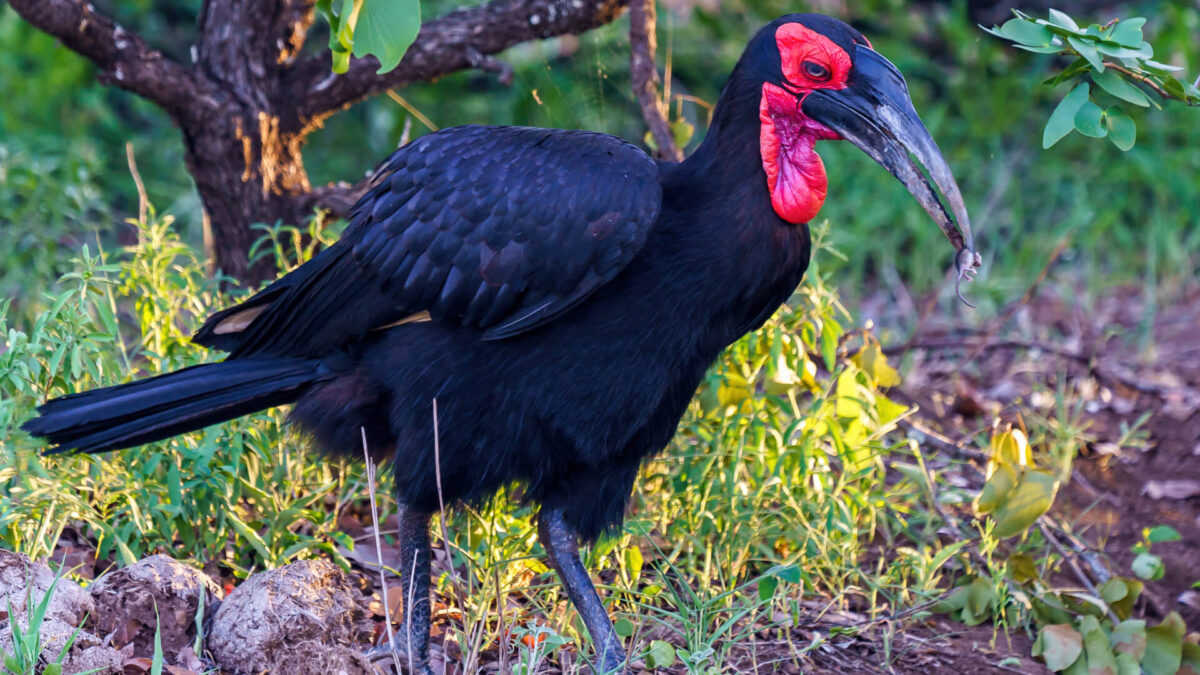
For birding enthusiasts, Murchison Falls is a must-visit. The park hosts over 450 bird species, including the rare and prehistoric-looking shoebill stork. Other notable species include the Goliath heron, Abyssinian ground hornbill, African fish eagle, and various kingfishers. The diverse habitats—from riverbanks to acacia woodlands—make it possible to see a wide range of birdlife throughout the park.

The Nile and the iconic Murchison Falls


One of the highlights we have to mention in this Murchison Falls safari guide is the mighty Murchison Falls, where the Nile River is forced through a narrow 7-meter gorge, creating the most powerful waterfall in the world. The thunderous roar of the falls can be experienced from multiple viewpoints:

Boat Safari: A cruise on the Nile takes visitors to the base of the falls, passing herds of elephants, basking crocodiles, and a variety of birdlife along the way.

Top of the Falls Hike: For a closer encounter, a guided hike to the top of the falls offers breathtaking panoramic views and an appreciation of the sheer force of nature.

Murchison Falls safari guide for Other Activities


Beyond game drives and boat safaris, the park offers some other experiences that could interest you and ad variation to your holiday.

Nature Walks and Hikes: Explore the park on foot with a guided walk in Budongo Forest, known for its chimpanzee population and towering mahogany trees.

Sport Fishing: Anglers can try their luck at catching Nile perch and catfish along the Nile, an exciting challenge given the river’s strong currents.

Cultural Experiences: Visit nearby communities for an immersive experience in Ugandan culture, learning about local traditions, dance, and crafts.

Best Time to Visit and Travel Tips


Murchison Falls National Park is a year-round destination. During the dry seasons (December-February and June-September) the roads are more accessible, and animals congregate around water sources. While the wet season offers a greener scenery with animals spread on the savannah.

For a smooth trip, visitors should:

Stay hydrated and carry sunscreen for sun protection.

Pack light, breathable clothing suitable for warm days and cool mornings.

Bring binoculars for enhanced wildlife and birdwatching experiences.

Use insect repellent to protect against mosquitoes and tsetse flies.

Come for a Murchison Falls safari
This Murchison Falls safari guide provides all the essential information you need for an unforgettable adventure. A 3-day safari in Murchison Falls National Park offers thrilling wildlife encounters, stunning landscapes, and the raw power of the Nile River. Whether it’s spotting lions on the

Categories
Uncategorized

Tracking Rhinos in Uganda

Tracking rhinos in Uganda is an unforgettable adventure, offering a rare opportunity to observe these magnificent creatures in their natural habitat. Uganda, known as the “Pearl of Africa”, is not only famous for its mountain gorillas and Big Five safaris but also for its dedicated rhino conservation efforts. The Ziwa Rhino Sanctuary provides the perfect setting for an up-close rhino tracking experience.

In this guide, we’ll cover everything you need to know about tracking rhinos in Uganda, from what to expect to why it’s a must-do on your Uganda safari itinerary.

Why Track Rhinos in Uganda?


Tracking rhinos in Uganda is a unique experience that brings you face-to-face with southern white rhinos. Unlike traditional game drives, this guided walking safari offers an immersive encounter with these endangered animals.

Uganda’s rhino population was once extinct due to poaching and conflict. However, conservation initiatives led to the establishment of the Ziwa Rhino Sanctuary in 2005, dedicated to reintroducing rhinos to the wild. Today, the numbers are rising and white rhinos roam freely in this protected sanctuary.

Located just 180 kilometers (112 miles) from Kampala, Ziwa Rhino Sanctuary is a convenient stopover en route to Murchison Falls National Park. Whether you’re on a longer safari or a day trip, tracking rhinos in Uganda is an enriching and memorable experience.

The Rhino Tracking Experience at Ziwa Rhino Sanctuary


What to Expect

Tracking rhinos in Uganda involves a guided nature walk led by experienced rangers. These knowledgeable guides share fascinating insights about the rhinos’ behavior, habitat, and the conservation efforts that protect them.

It is a walk in flat terrain, so suitable for most fitness levels. The rangers ensure a safe distance is maintained while observing the rhinos.

Wildlife Beyond Rhinos


While tracking rhinos in Uganda, you may also encounter other wildlife species. The sanctuary is home to bushbucks, oribis, and warthogs. Birdwatchers will be delighted by the presence of over 300 bird species, including the elusive shoebill stork.

Best Time for Tracking Rhinos in Uganda


Ziwa Rhino Sanctuary welcomes visitors year-round. During the dry seasons from December to February and June to September it’s more likely dry paths so that makes walking safaris more comfortable. During the wet seasons, the landscape becomes lush, offering picturesque views and excellent photography opportunities. If needed rubber boots are available to borrow.

Tips for a Successful Rhino Tracking Experience

  • Wear comfortable walking shoes suitable for uneven terrain.
  • Dress in neutral colors like khaki, green, or brown to blend into the environment.
  • Bring a hat, sunglasses, and sunscreen for protection from the sun.
  • Carry a camera and binoculars to capture close-up moments and enjoy birdwatching.
  • Stay hydrated by bringing a reusable water bottle.

The Conservation Impact of Tracking Rhinos in Uganda
By participating in rhino tracking in Uganda, you actively support vital conservation efforts. The entrance fees contribute directly to the protection of the rhinos and the maintenance of the sanctuary. Additionally, local communities benefit through employment opportunities and sustainable tourism initiatives.

Bwindi Trails Expeditions proudly supports responsible tourism, ensuring that your visit leaves a positive impact on Uganda’s wildlife and people​.


Categories
Uncategorized

Gorilla Trekking Frequently Asked Questions (FAQs)

Are you dreaming of meeting the gentle giants of the forest? Gorilla trekking in Uganda is one of the most unforgettable wildlife experiences in the world. At Bwindi Trails Expeditions, we get a lot of questions from travelers planning their trek, so we’ve compiled this helpful FAQ to guide you.

Let’s dive into Frequently asked questions about Gorilla trekking

What is the age limit for Gorilla Trekking in Uganda?

The minimum age for gorilla trekking in Uganda is 15 years, as set by the Uganda Wildlife Authority (UWA). This age limit is strictly enforced to protect both trekkers and the Mountain Gorillas.

How much does Gorilla Trekking in Uganda cost?

A gorilla trekking permit in Uganda costs $800 USD per person. This tariff is valid until June 2026 and is issued by UWA. Permits for the exclusive Gorilla Habituation Experience (4 hours with gorillas) cost $1,500 USD.

Am I guaranteed to see the Mountain Gorillas?

We usually say there is a 99% chance of seeing the Mountain Gorillas during your trek. The gorillas are tracked daily by expert rangers, but as they are wild animals, 100% certainty cannot be promised. However, it is extremely rare for trekkers to miss out on a sighting.

How do I get to the Gorilla Trekking parks?

Road: From Entebbe/Kampala, it’s around a 9–11 hour drive depending on the park and sector. Another option is to connect through Kigali in Rwanda, which cuts the drive time a bit.

Domestic flight: Fly from Entebbe to Kihihi or Kisoro, followed by a scenic road transfer into the mountains.

Bwindi Trails Expeditions can arrange both travel options as part of your itinerary.

How many days do I need for a Gorilla Trekking safari?


The Gorilla trekking itself takes from half a day to a day depending on how long you need to trek to reach the point where the Mountain Gorillas are. When planning how many days you need for a Gorilla trekking safari you need to count at least three days to include travel time. Even if you chose to fly in it is needed to count three days for the Gorilla trekking safari since the flight times for the domestic flights make it difficult to fly in or out the same day as you do the Gorilla trekking.

When is the best time to go Gorilla Trekking?


Gorilla trekking in Uganda is possible all year round. That said:

  • Dry seasons (June–September, December–February) offer firmer trails and better weather.
  • Wet seasons (March–May, October–November) are quieter and greener—plus you’re more likely to get last-minute permits.

Don’t fear the rains: it usually only showers for a short time each day.

How does the gorilla trekking work?


Gorilla trekking in Uganda is a well-organized and immersive experience that begins with securing your trekking permit—typically arranged by your tour operator—and preparing for a journey into the misty forests of Bwindi or Mgahinga. On the morning of your trek, you’ll attend a safety briefing, then head into the jungle with a small group led by expert guides and rangers. The trek to the gorilla family can take anywhere from 30 minutes to several hours depending on their location that day. Once you reach them, you’ll spend one unforgettable hour observing these gentle giants in their natural habitat. Afterward, you hike back out and receive a certificate to mark the experience.

How difficult is Gorilla Trekking?


Trekking can be moderately challenging, depending on the location of the gorilla group. You may hike for 30 minutes to several hours through hilly, sometimes muddy terrain. Guides adjust the pace to match your group’s fitness level. With average fitness and good hiking boots, most people manage just fine.

Can I go Gorilla Trekking if I have limited mobility?


Yes. Uganda offers porter-assisted options, including a special chair for disabled trekkers, which is carried by a team. This currently costs around $300 USD and allows travelers with limited mobility to experience the gorillas too.

How close can I get to the Mountain Gorillas?


UWA regulations require visitors to keep a 7-meter distance from the gorillas. Sometimes, curious gorillas may come closer on their own, if that happens, follow your guide’s instructions.

Can I spend more than one hour with the Gorillas?


Yes! Uganda offers a Gorilla Habituation Experience, allowing you to spend four hours with a gorilla group that is being habituated to human presence. This rare and intimate experience is available in the Rushaga sector of Bwindi, with limited permits per day.

Where do Gorilla Treks happen in Uganda?


In Uganda, gorilla trekking is done in two parks:

  • Bwindi Impenetrable National Park (with four trekking sectors: Buhoma, Ruhija, Rushaga, Nkuringo)
  • Mgahinga Gorilla National Park

We help you secure permits and plan accommodation based on the trekking sector assigned.

Should I go for Gorilla Trekking in Uganda or Rwanda?


Both Uganda and Rwanda offer incredible opportunities to see Mountain Gorillas, but each destination comes with its own character. Uganda is ideal for travelers seeking a budget-friendly adventure with diverse trekking terrain and the chance to explore more of Africa’s Big 5 and rich primate life. Rwanda appeals to luxury-focused travelers looking for high-end lodges near Volcanoes National Park. Either way, your chances of seeing gorillas are excellent—but your choice may depend on your travel style, budget, and other safari interests.

What should I pack for Gorilla Trekking?

  • Bring sturdy hiking boots
  • Rain gear
  • Long trousers and shirt
  • Socks long enough to tuck your pants into (this is important to avoid insects)
  • Insect repellent
  • Carry water and a packed lunch (usually provided by the lodge you stay at)
  • A backpack to bring into the jungle

Is Gorilla Trekking worth the money?


Absolutely. We may be biased, but we’ve never had a guest return from Gorilla trekking feeling it wasn’t worth it. The experience of sharing space with these magnificent creatures is both humbling and life-changing.

Your Gorilla Safari, Your Way


At Bwindi Trails Expeditions, we design treks and safaris that reflect your pace, comfort, and interests. Whether you’re a solo traveler, part of a family, or planning a honeymoon, we ensure your gorilla experience fits seamlessly into your dream safari.


Categories
Uncategorized

Best time to Visit Tanzania – Wildlife & Wildebeest Migration

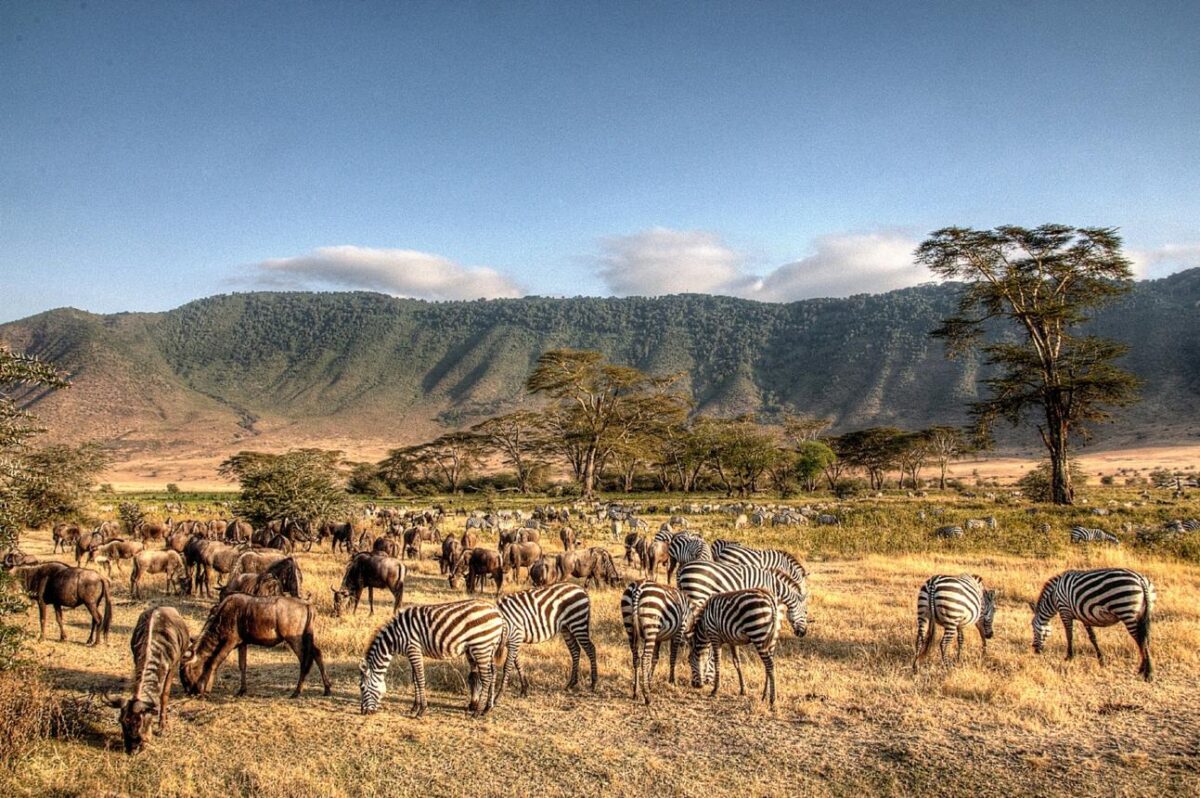
The best time to Visit Tanzania especially Serengeti National Park and Ngorongoro Conservation Area for Wildlife and Wildebeest Migration is a great experience. Tanzania is one of the top hot spots for many first-time tourists taking an African safari because of the very memorable trips undertaken amidst millions of wildlife in the several parks. The best time to visit Tanzania is during the dry season which is the months from June to October.

It is during this time when wildlife viewing is generally at its best. The southern and western circuit parks can best be visited during the dry season of June to October. The northern circuit parks can be visited all year round.

June to October is generally the best time for wildlife viewing in all parks. The high season when parks are crowded is from July to March for the northern circuit and July to October for the southern and western circuit parks. It is during these months when the country receives its best weather and minimal amounts of rainfall.

During the dry season, wildlife viewing is generally good as the grass is short and wildlife can easily be spotted. During this time, wildlife also usually converges in areas with water and therefore easy to spot. It is mostly sunny with very little rain during this time, there are few mosquitos, and the chance of contracting malaria is low.

March and April are the peak wet season and therefore not much recommended for travel. This is because the weather may greatly affect your wildlife viewing experiences. However, the parks still stay open for Tanzania tours.

What is the best time to visit Tanzania for wildebeest migration viewing?

The wildebeest migration in the Serengeti National Park is usually during June and July. The best time to see the wildebeest calving is in the period from late January to February.

August to September is the best time to see the wildebeest river crossings in northern Serengeti.

To see the wildebeest in Tanzania, between July – October the herds are in northern Serengeti plains. During this time you can have the chance to see the wildebeest crossing the dramatic Mara River as thousands are killed trying to cross. This is referred to as the most desirable time to see the wildebeest in Tanzania.

From December to March, the wildebeest in that time is in the southern part of Serengeti specifically in Ndutu which is actually in the Ngorongoro Conservation Area. During this time it’s the calving season as many calves are birthed.

February is the perfect month when the wildebeest can be seen in large herds altogether for the calving season. This is a highlight of the wildebeest migration along with the dramatic crossings of the Mara River.

Between November, April, May, and June the herds are much more dispersed. This is because November experiences short rains and the months of April and May are the long rains season therefore the grass is green throughout and so are the herds that are dispersed.

The best time of the year to see the large herds of wildebeest migrating is during July – October, and December – March.

Activities or things to do in Tanzania – best time to visit Tanzania

Tanzania safaris offer rewarding superb wildlife viewing including the annual wildebeest migration in the Serengeti and trips to off-the-beaten-track safaris in Selous and Ruaha parks.  The country is a big hub for African safaris with several wildlife circuits for long tours.

With 16 national parks and several wildlife reserves, Tanzania is a good tourist destination and with the diversity, travelers with few days could wonder which kind of tours to choose. The best Tanzania safaris are determined by the great activities and attractions to see in the country and these are;

  • Wildlife viewing – the best time to visit Tanzania

   All of the national parks in Tanzania have lots of wildlife with excellent viewing opportunities. There are three different safari circuits and all are good for Tanzania wildlife safaris. The parks are also home to the sought-after Big Five animals which are the lions, leopards, buffalo, rhinos, and elephants with the black rhino seen at the Ngorongoro Conservation Area.

Animals that can be seen in abundance include elephants, giraffes, hippos, buffaloes, zebras, wildebeest, and the lion and hyena are common. Rare and occasional animals include the black rhino, leopard, and cheetah.

Wildebeest is one of the world’s natural wonders with a spectacular sighting to offer, it’s no ordinary group of animals. The Great Wildebeest Migration is an annual migration of giant herds of animals all through from Northern Tanzania to Kenya.

Each wildebeest migration constitutes over two million wildebeest, zebras, and gazelles moving from Serengeti National Park of Tanzania and Masai Mara National Park of Kenya. Seeing millions of wildebeest on safari could be only possible in Tanzania and Kenya in the whole world.

With these wildlife animals, Tanzania is a classic African tour destination with all parks great for safari but some being exceptional. These are Serengeti National Park, Lake Manyara National Park, Ngorongoro Conservation Area, Tarangire National Park, Selous Game Reserve, Ruaha National Park, and Katavi National Park. A visit to these will offer that classic African wild game drive.

The best time for wildlife viewing in Tanzania is in the dry season which is from late June to October and the best time for wildebeest viewing is during June and July. The long rainy season is between March to May and the parks in the Southern and Western Circuits are less accessible during this time.

  • Chimpanzee trekking in Gombe and Mahale Mountains

Tanzania isn’t the ultimate chimpanzee trekking destination, however, it is a unique chimp-tracking place. Mahale Mountains National Park is home to one of Africa’s most studied chimpanzee populations and Gombe streams have a small population that lives in a great environment.

Gombe streams are just 16 miles north of Kigoma on the shores of Lake Tanganyika in western Tanzania and were made famous due to the pioneering work of Jane Goodall who founded a behavioral research program in the 2960s and is still running.

Around 1000 chimpanzees roam around the isolated and lush rainforest of Mahale just above the beaches of Lake Tanganyika. On a chimpanzee trekking safari in these unique settings, tourists walk through guided trails in search of the chimps.

The trek is guided by clues like the previous night’s nest, shadowy clumps high in the trees, fresh dung, or scraps of half-eaten fruit.  Watching the chimpanzees swing through the forests is amazing, it feels like being so close to nature unlike when on a game drive.

The best time for chimp trekking is during the dry season which is between May and October.

  • Beach holidays in Zanzibar

For adventure lovers, couples, families, and honeymooners you better be headed for the beaches in Zanzibar. The “spice island” has flawless landscapes from serene forests to smooth white sand beaches. There are also a lot of things to see as you relax at the beaches and these include historic forts, coral reefs, exotic markets, and many more. While at the beaches, it is the perfect time to relax and go adventurous why not go snorkeling on the southeast coast or swim with dolphins at Fumba or Kizimkazi?

  • Cultural tours

If you want to learn a little about the people of Tanzania, then a cultural tour is handy. This can be added to any kind of safari in Tanzania. Many villages around Arusha in northern Tanzania have been made accessible to visitors to have a glimpse of the authentic lifestyle of more than 120 tribes in rural Tanzania.

Some of the popular cultural centers to add on a Tanzania tour include Mto Wa Mbu multi-cultural village, Maasai Boma, villages in Ngorongoro Conservation Area, Lake Eyasi in the land of Hadzabe and Datoga, Ng’ireshi village of Waarusha tribe, and the Mulalala village of Waarusha and Wameru tribes.

Wildlife tours, beach holidays, chimpanzee trekking, and cultural tours are activities that shouldn’t miss out on your Tanzania itinerary. Wondering how to arrange a good tailor-made itinerary to suit all of your requests, then contact Acacia Safaris. With the introduction of flights within the region, you can also tailor your tour to the Uganda gorilla safari, Kenya safari, or Rwanda gorilla tour.

Categories
Uncategorized

Discover the Big Five in Uganda – The Pearl of Africa

Uganda, known as the Pearl of Africa, is a true paradise for nature and wildlife lovers. From lush green savannas to misty mountains and sparkling lakes, the country offers a perfect mix of adventure and beauty. One of the biggest highlights of any safari in Uganda is the chance to see the famous Big Five animals, the Lion, Leopard, Elephant, Buffalo, and Rhinoceros.

These animals were originally called the Big Five because they were considered the most difficult and dangerous animals to hunt on foot. Today, however, they are celebrated as icons of wildlife conservation and a must-see for anyone visiting Uganda.

Let’s take a closer look at each of these magnificent creatures and where you can find them.

1. The African Lion – King of the Savannah

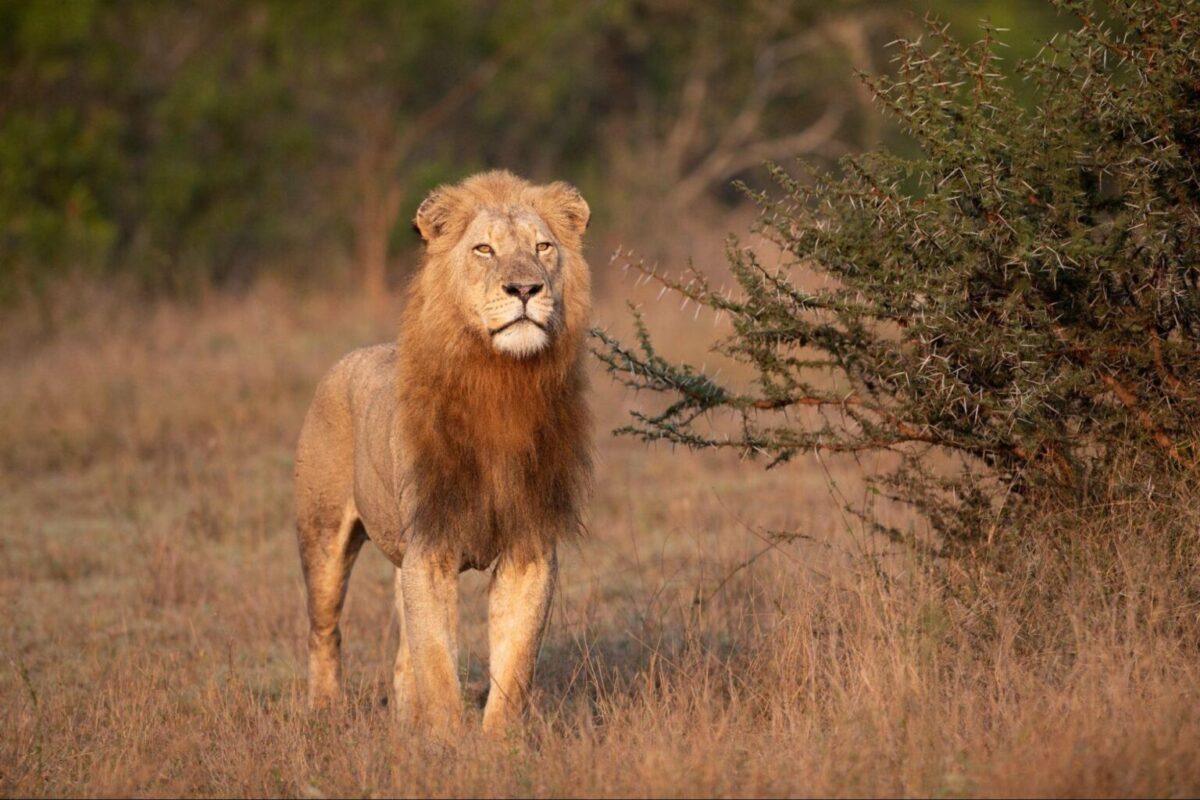
The African lion is the symbol of strength, courage, and pride. In Uganda, you can find lions lounging under acacia trees or stalking their prey in the golden grasslands.
One of the most special experiences is seeing the tree-climbing lions in Queen Elizabeth National Park, one of the few places in the world where lions actually climb trees! You can also spot them in Murchison Falls National Park and Kidepo Valley National Park, often seen in groups known as prides.

2. The Leopard – The Silent Hunter

Leopards are shy, solitary, and incredibly beautiful. They are known for their stunning spotted coats and their ability to climb trees with ease.
In Uganda, your best chance to see a leopard is during a night game drive in Queen Elizabeth or Murchison Falls National Park, where they are often spotted resting on tree branches or quietly watching for prey. Patience is key, but the reward of seeing one is unforgettable!

3. The African Elephant – The Gentle Giant

The African elephant is the largest land animal on Earth and a true symbol of wisdom and power. Watching these majestic giants roam freely in Uganda’s national parks is an experience like no other.
You can see large elephant herds in Queen Elizabeth, Murchison Falls, and Kidepo Valley National Parks. They are often seen bathing in rivers or slowly moving across the savanna in family groups led by a matriarch.

4. The African Buffalo – The Strong Survivor

The African buffalo may not look as fierce as a lion, but it’s one of the most unpredictable animals in the wild. They usually move in large herds and are known for their strength and loyalty to each other.
Buffalos are found in nearly all of Uganda’s major national parks, especially Queen Elizabeth and Murchison Falls. Seeing a big herd crossing the plains or cooling off in a muddy waterhole is a truly African experience.

5. The Rhinoceros – The Rare Treasure

Uganda’s rhinos are the rarest of the Big Five. Sadly, they disappeared from the wild in the 1980s due to poaching, but today, thanks to strong conservation efforts, they are making a comeback!
You can visit Ziwa Rhino Sanctuary, located between Kampala and Murchison Falls, to see white rhinos up close. Guided walking safaris let you observe these peaceful giants in their natural environment while learning about ongoing efforts to reintroduce them into Uganda’s national parks.

Where to See the Big Five in Uganda

Here are the top destinations for spotting all five:

  • Murchison Falls National Park – Home to four of the Big Five (lion, leopard, buffalo, elephant) and close to Ziwa Rhino Sanctuary for rhinos.
  • Queen Elizabeth National Park – Famous for tree-climbing lions, large elephant herds, and stunning scenery.
  • Kidepo Valley National Park – Remote and wild, offering excellent chances to see lions, leopards, elephants, and buffaloes with fewer tourists.
  • Ziwa Rhino Sanctuary – The only place in Uganda where you can track rhinos on foot.

Experience Uganda’s Wild Heart

A safari in Uganda is not just about ticking off the Big Five — it’s about connecting with nature, supporting conservation, and experiencing the raw beauty of Africa. Whether you’re watching lions at sunset, elephants at the river, or rhinos grazing peacefully, every moment will leave a mark on your heart.

So, pack your bags, charge your camera, and get ready to explore the Big Five of Uganda where adventure meets the wild!

Travel Tips:

  • Best time to visit: June to September and December to February (dry seasons for easier game viewing).
  • Bring: Binoculars, a good camera, sunscreen, and insect repellent.
  • Always: Respect wildlife and follow your guide’s instructions.