Rwanda is a country smaller than many U.S. states, yet visitors can explore a stunning variety of landscapes, from volcanic highlands and ancient rainforests to rolling savannahs and vibrant wetlands brimming with wildlife.
One morning might be spent searching for chimpanzees beneath the enchanting forest canopy, while just a few days later, you could find yourself watching elephants gracefully wander along the shores of a picturesque lake in eastern Rwanda.
Rwanda’s four national parks each provide unique attractions, collectively revealing an unexpected and diverse side of the country that many first-time visitors may not anticipate. Join us as we explore Rwanda’s best national parks, and please be sure to explore our Rwanda safaris and tours.
Volcanoes National Park: Home of the Mountain Gorillas
No national park in Rwanda is more famous than Volcanoes National Park. Located in the northwest of the country, the park forms part of the wider Virunga ecosystem, a chain of volcanoes that stretches across Rwanda, Uganda, and the Democratic Republic of Congo. Dense bamboo forests cloak the lower slopes, while higher elevations disappear into cloud and mist.
This is one of the last remaining strongholds of the endangered mountain gorilla. Gorilla trekking in Rwanda is the experience that draws visitors from around the world. Guided by trackers and rangers, small groups hike into the forest in search of one of the habituated gorilla families that call the park home. Once found, visitors are permitted to spend a single hour observing the group.
That hour often passes surprisingly quickly. Young gorillas tumble through vegetation, mothers groom their infants, and silverbacks watch quietly from a distance. The experience can feel less like a wildlife sighting and more like a brief glimpse into another society.
Volcanoes National Park is also home to golden monkeys, another rare primate found within the Virunga Mountains. Visitors interested in conservation may recognise the park as the place where primatologist Dian Fossey carried out much of her pioneering work to protect mountain gorillas.
Akagera National Park: Rwanda’s Wildlife Revival
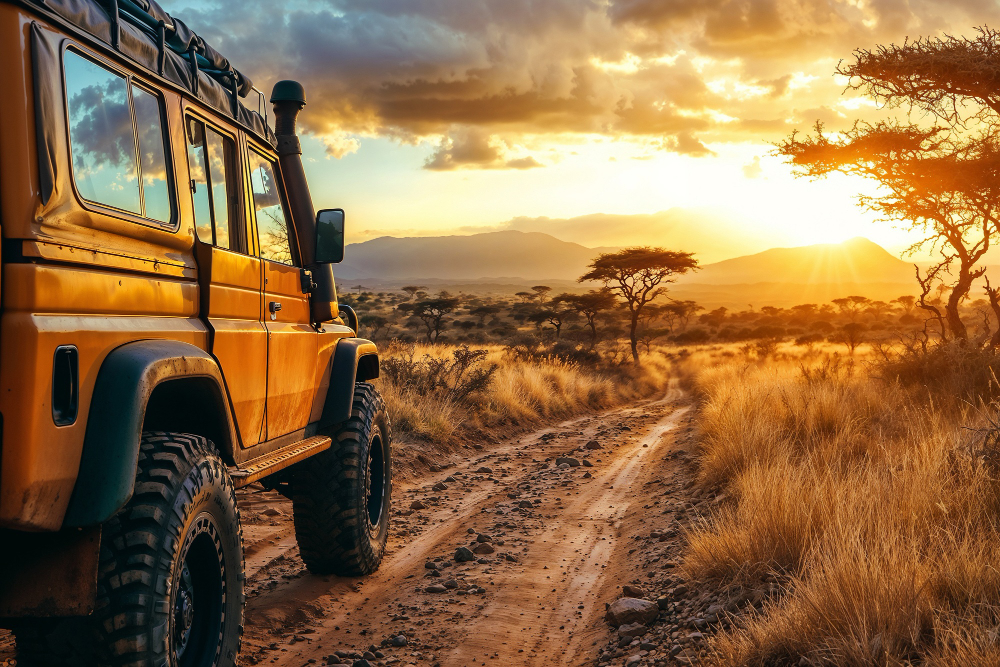
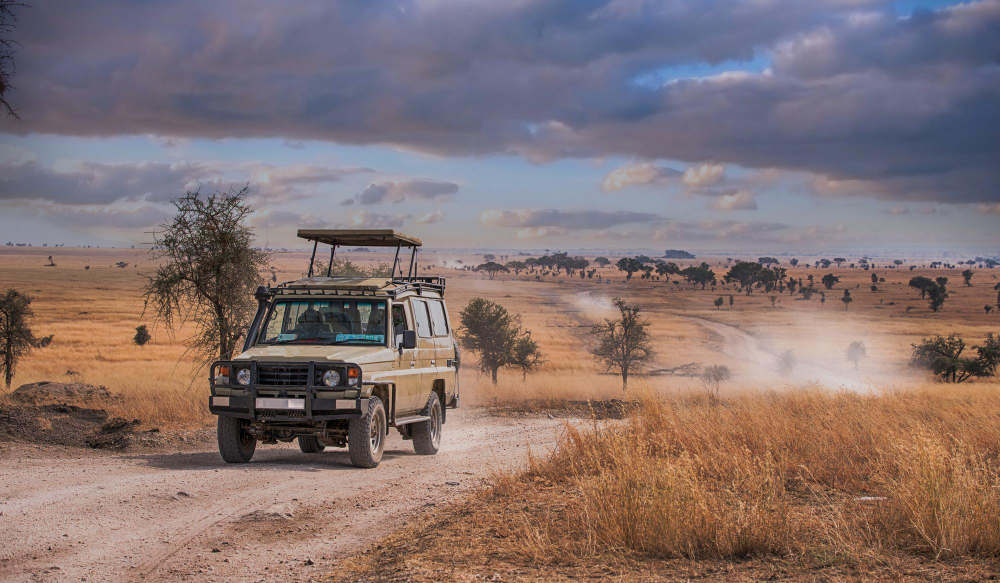
On the opposite side of the country lies a landscape that feels entirely different. Akagera National Park occupies Rwanda’s eastern border and is characterised by open grasslands, acacia woodland, lakes, and papyrus-filled wetlands. It is the closest thing Rwanda has to a classic safari destination.
The park’s recent history is particularly remarkable. Following years of conflict and human pressure, many of Akagera’s large mammals declined dramatically. Over the past decade, however, extensive conservation efforts have transformed the park. Lions were reintroduced in 2015, followed by black rhinos in 2017. White rhinos arrived later, helping restore a species that had once disappeared from the area.
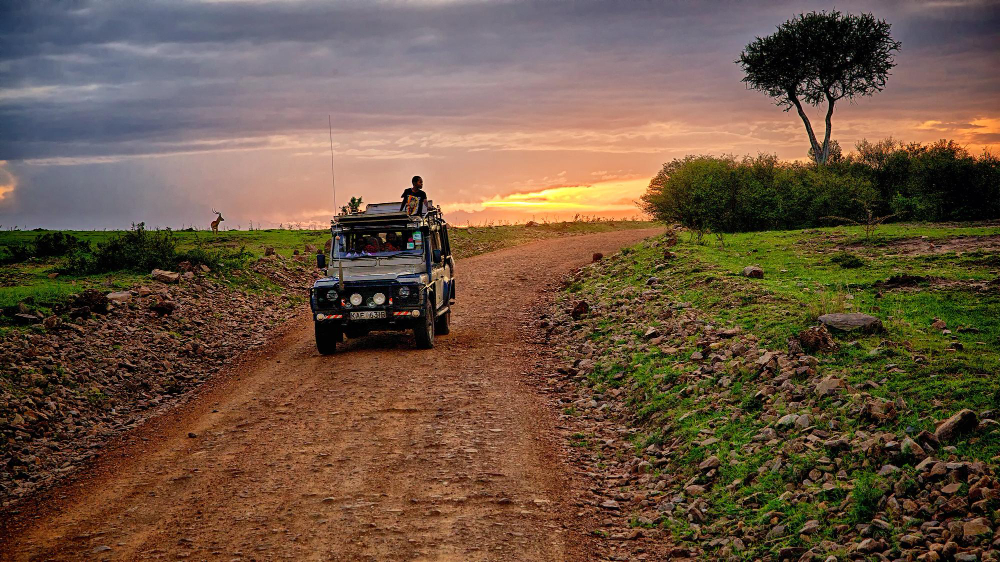
Today, Akagera has regained its status as a Big Five destination. Visitors can search for lions, elephants, buffalo, leopards, and rhinos while also enjoying sightings of giraffes, zebras, antelope, crocodiles, and hippos. Boat safaris on Lake Ihema offer a different perspective, with wildlife often gathering along the shoreline during the warmer hours of the day.
For travellers who want to combine gorilla trekking with a traditional safari experience, Akagera provides an excellent complement to Rwanda’s mountain landscapes.
Nyungwe National Park: A Forest Full of Life
If Volcanoes National Park belongs to the gorillas and Akagera to the savannah, Nyungwe National Park belongs to the forest. Located in southwestern Rwanda, Nyungwe protects one of Africa’s oldest and most biologically rich rainforests. Some sections of the forest are believed to have survived since before the last Ice Age.
Visitors often hear Nyungwe before they fully see it. Bird calls echo through the trees. Insects hum in the undergrowth. Monkeys move through the canopy overhead. The forest feels alive in every direction.
Chimpanzee tracking is among the park’s most popular activities. Groups set out early in the morning with experienced guides, searching for communities that move through the forest in search of food. Unlike gorillas, chimpanzees are constantly on the move, which can make tracking them a more active and unpredictable experience.
Nyungwe is also home to numerous other primate species, including colobus monkeys, L’Hoest’s monkeys, and owl-faced monkeys.
One of the park’s most distinctive attractions is its canopy walkway, suspended high above the forest floor. From this elevated viewpoint, visitors gain a sense of the rainforest’s immense scale and complexity.
Gishwati-Mukura National Park: Rwanda’s Emerging Wilderness
Established in 2015, Gishwati-Mukura National Park protects two separate forest areas in western Rwanda. Compared to the country’s other parks, it is still developing as a tourism destination, which gives it a quieter and more exploratory feel.
The story of Gishwati-Mukura is closely tied to restoration. Decades of deforestation reduced large portions of the forest, threatening wildlife populations and local ecosystems. Conservation initiatives have focused on reforestation and habitat recovery, helping create conditions for wildlife to return.
Today, the park supports chimpanzees, golden monkeys, blue monkeys, and a growing variety of birdlife. For travellers interested in conservation and community-based tourism, Gishwati-Mukura offers an opportunity to experience a destination that is still evolving. It may not yet attract the same attention as Volcanoes or Akagera, but its future looks promising.
Which National Park Should You Visit?
The answer depends on what kind of experience you are looking for. To get a good taste of what you can expect from a safari trip in Rwanda, browse our selection of Rwanda tours and experiences.
Travellers whose primary goal is seeing mountain gorillas will naturally gravitate toward Volcanoes National Park. Those hoping for a more traditional safari often choose Akagera, where game drives and boat safaris reveal some of Africa’s most iconic wildlife.
Nyungwe appeals to visitors interested in forests, primates, birdlife, and walking experiences, while Gishwati-Mukura is best suited to those seeking something less familiar and more conservation-focused.
Can You Visit More Than One National Park?
One of Rwanda’s greatest advantages is its size. Road journeys that would require full days elsewhere in Africa can often be completed in a matter of hours. This makes it relatively easy to combine multiple national parks within a single itinerary.
Many travellers pair Volcanoes National Park with Akagera, allowing them to experience both gorilla trekking and a Big Five safari. Others combine Volcanoes with Nyungwe to focus on Rwanda’s remarkable primate populations.
For those with additional time, visiting all three major parks creates a surprisingly varied journey through a country that packs an enormous amount of diversity into a compact area.
Exploring Rwanda’s National Parks
Rwanda’s national parks showcase the country’s extraordinary range of landscapes and wildlife. Within a relatively small area, visitors can encounter mountain gorillas in volcanic forests, chimpanzees in ancient rainforest, and lions roaming open savannah.
What makes Rwanda particularly rewarding is not any single park, but the way these places complement one another. Each offers a different perspective on the country’s natural heritage, conservation achievements, and wildlife.
At Bwindi Trails Expeditions, we create tailor-made Rwanda safaris shaped around your interests, travel style, and pace. Whether your dream is to trek with gorillas, explore the forests of Nyungwe, or experience a Big Five safari in Akagera, our team can help design the journey that’s right for you.