Categories
Uncategorized

The Best Safari Lodges in Uganda – Where Luxury Meets the Wild

Uganda is a land of amazing beauty, with misty mountains, green rainforests, and exciting wildlife. From gorilla trekking in Bwindi Impenetrable Forest to luxury safaris across the savannah, Uganda’s lodges offer comfort, stunning views, and warm hospitality.

If you’re planning a Uganda safari with Bwindi Trails Expeditions, here are 10 of the best safari lodges in Uganda for an unforgettable stay.

1. Bwindi Lodge – Buhoma Sector, Bwindi Impenetrable Forest
Bwindi Lodge is one of Uganda’s top luxury lodges. It sits on the edge of the rainforest with beautiful forest views and easy access to gorilla trekking trails. The eco-friendly cottages are peaceful and stylish, surrounded by nature.
Best for: Luxury, easy gorilla trekking, rainforest experience.

2. Clouds Mountain Gorilla Lodge – Nkuringo Sector, Bwindi
At the highest point of Bwindi, Clouds Lodge offers breathtaking views of the Virunga Volcanoes. Its stone cottages have fireplaces and private gardens, giving guests comfort and privacy in the wild.
Best for: Honeymooners and exclusive travelers.

3. Nkuringo Bwindi Gorilla Lodge – Nkuringo Sector
This eco-lodge is known for its community projects and green practices. Overlooking forested hills, it has a friendly atmosphere, great food, and access to the Nkuringo gorilla families.
Best for: Eco-travelers and culture lovers.

4. Sanctuary Gorilla Forest Camp – Inside Bwindi
Located deep inside the forest, this luxury tented camp offers a close-to-nature experience. Sometimes, gorillas even wander through the camp—a truly special sight.
Best for: Adventure lovers and wildlife photographers.

5. Mahogany Springs Lodge – Buhoma, Bwindi
Mahogany Springs has spacious suites with views of the Munyaga River and the forest canopy. Known for warm service and comfort, it’s great for families and small groups.
Best for: Families and groups.

6. Buhoma Lodge – Buhoma Sector
Inside the national park, Buhoma Lodge offers a real forest experience. Its wooden chalets are cozy and eco-friendly, with verandas for relaxing after trekking.
Best for: Eco-luxury and adventure travelers.

7. Engagi Lodge – Buhoma Area
Engagi Lodge mixes modern comfort with a rustic charm. It’s quiet, private, and surrounded by rainforest views, perfect for guests who love peace and nature.
Best for: Peace seekers and photographers.

8. Gorilla Safari Lodge – Rushaga Sector, Bwindi
This hillside lodge near the Rushaga trailhead is ideal for trekkers. Each cottage has a private balcony with forest views, and the staff are friendly and welcoming.
Best for: Gorilla trekking in southern Bwindi.

9. Kiho Gorilla Safari Lodge – Ruhija Sector
Kiho Lodge is modern, elegant, and peaceful, with beautiful forest scenery. It’s close to the Ruhija gorilla families, making it a good choice for visitors to this quiet part of the park.
Best for: Luxury and tranquility.

10. Mutanda Lake Resort – Near Bwindi
On the shores of Lake Mutanda, this lodge offers a mix of relaxation and adventure. Guests can go canoeing, birdwatching, and enjoy views of the Virunga Volcanoes.
Best for: Relaxation, scenery, and lake adventures.

Tips for Choosing a Safari Lodge in Uganda

  • Pick a lodge close to your gorilla trekking sector (Buhoma, Nkuringo, Rushaga, or Ruhija).
  • Book early—gorilla permits and lodges fill up fast.
  • Choose eco-friendly lodges that support conservation and local people.
  • Stay at least two nights to enjoy the forest atmosphere.

Why Book with Bwindi Trails Expeditions
At Bwindi Trails Expeditions, we create custom safari packages that mix luxury, adventure, and local culture. Whether you want to meet gorillas, explore lakes, or relax by the Nile, our team will make your Uganda safari unforgettable.

Categories
Uncategorized

How does Gorilla trekking in Uganda work?

Are you wondering “How does Gorilla trekking in Uganda work”? Here we tell you all about how the gorilla trekking works in a 6 step guide to Gorilla trekking in Uganda.

1. Secure your Gorilla trekking permit

The first step of making the dream of Mountain Gorilla trekking come true is to secure a Gorilla trekking permit. If you are booking a safari with a tour operator the Gorilla permit. Usually included in the price and arranged by the tour operator. Uganda Wildlife Authority has as of May 2022 changed the rules. So that gorilla permits have to be bought through Tour Operators registered with Uganda Tourism Board if you are a foreign resident (i.e. not living in Uganda). This means that if you arrange the safari independently you need to purchase the permit through a registered Tour Operator.

The exception from this rule is for Ugandans, East African citizens and foreign residents in Uganda. Who can buy a limited number of permits for their own use directly from Uganda Wildlife Authority? We are registered with Uganda Tourism Board so can arrange the Gorilla Permit for you.

While we are on the subject of securing the gorilla permit we should mention that it actually happens during the peak of the high-season that the gorilla permits sell out. This means that if you are planning to travel around end of December to January or July to August. It is needed to plan ahead and book several months in advance to be sure to get Gorilla permits. If you are travelling at other times during the high-season the pressure isn’t as high and during low-season (October, November, March, April and May). You can normally secure a Gorilla permit with short notice.

In Uganda there are five locations where gorilla trekking is done. Four of these are in Bwindi Impenetrable National Park; Buhoma, Ruhija, Rushaga and Nkuringo. The fifth location Mgahinga Gorilla National Park where there is one habituated gorilla group. These locations in different areas of the mountains so it is needed to plan your accommodation based on where the gorilla permit is. The gorilla permit bought for a location, so not for a specific group (more about this below).

2. Prepare for the gorilla trek

Ones you have all booked and ready for your tour it is time to start planning for the gorilla trek. In theory it is just to show up at the gorilla trekking starting point and make sure you have a gorilla permit (unless you travel with a tour operator who takes care of it) and passport to identify yourself but there are a few things that it is good to prepare for before the gorilla trek.

It can be slippery, rainy and annoying insects in the jungle so there are some things you should plan to pack to make your trek go as smooth as possible.

Comfortable hiking boots – it can be slippery in the jungle so good shoes will make it easier for you.
Backpack – a backpack to carry along for the trek that is comfortable to carry.
Rain gear – to be prepared if rain comes while in the jungle.
Light long sleeved shirt and long pants – to protect from insects and scratching branches.
 Socks long enough to tuck in your pants – to avoid getting bitten by safari ants.
 Warm sweater or a jacket – to keep you warm at the lodge in the evening. The height and the mist makes the evenings chilly in the mountains.

3. The morning of the gorilla trek – registration & briefing

Enjoy breakfast at the lodge and then head over to the gorilla trekking starting point at 8 am. Note that you should make sure to get a packed lunch with you from the lodge. If you are travelling with a tour operator the safari guide will plan this for you. But if not you should talk to the lodge the day before so they arrange a packed lunch for you. It is also important to bring along the water you plan to drink during the trek.

When you get to the Gorilla trekking starting point you register by showing your gorilla permit and passport, if travelling with a tour operator your guide takes care of this. At this point it is decided which gorilla group you will actually trek. If you have a specific wish like shorter trek due to health issues or a wish to spend as long as possible in the jungle you can come with that wish at this point. How well your wish can be taken into account depends on the situation on ground that day (where the gorilla groups are, how many visitors trekking there are etc).

Before you are then allowed to head into the jungle there is a briefing about how you should behave during the Gorilla trek. It is important to pay attention at this point so you know how to act while around the Mountain Gorillas. Worthy to note here is also the fact that the Mountain Gorillas are closely related to humans so if you have a contagious decease like cough for example the rangers have the right to refuse you from participating in the gorilla trek due to the risk of infecting the Gorillas.

4. Heading into the jungle – trekking to where the Gorillas are

We have now reached the point when it is time to head into the jungle. We recommend grabbing a walking stick for the trek, since it can help to keep balance in the jungle. You trek in a group with up to eight other visitors lead by a specialized guide and rangers. Depending on where the Gorilla group you are trekking is that morning you either start trekking straight from the briefing point or are driven a bit to get closer to the location where the Gorillas are.

Your specialized guide has a good idea of where the Gorillas are since Uganda Wildlife Authority early in the morning sends out a group of trackers to locate the gorillas based on where they spent the night. The trackers then keep following the Gorillas and communicate to the specialized guide about the best route to lead the Gorilla trekkers to the Gorillas.

How long you trek before reaching the Gorillas depend on where the Gorillas are that day. It can be as short as 30 minutes or several hours of trekking. There are trails within the jungle that the specialised guide will lead you along when possible.

5. Meet the mountain Gorillas!

The magic moment of seeing your first Mountain Gorilla has arrived. The rules are that you are allowed to spend one hour in the area of the Mountain Gorillas. During this time you still move together as a group with the specialized guide who will direct you on how to behave.

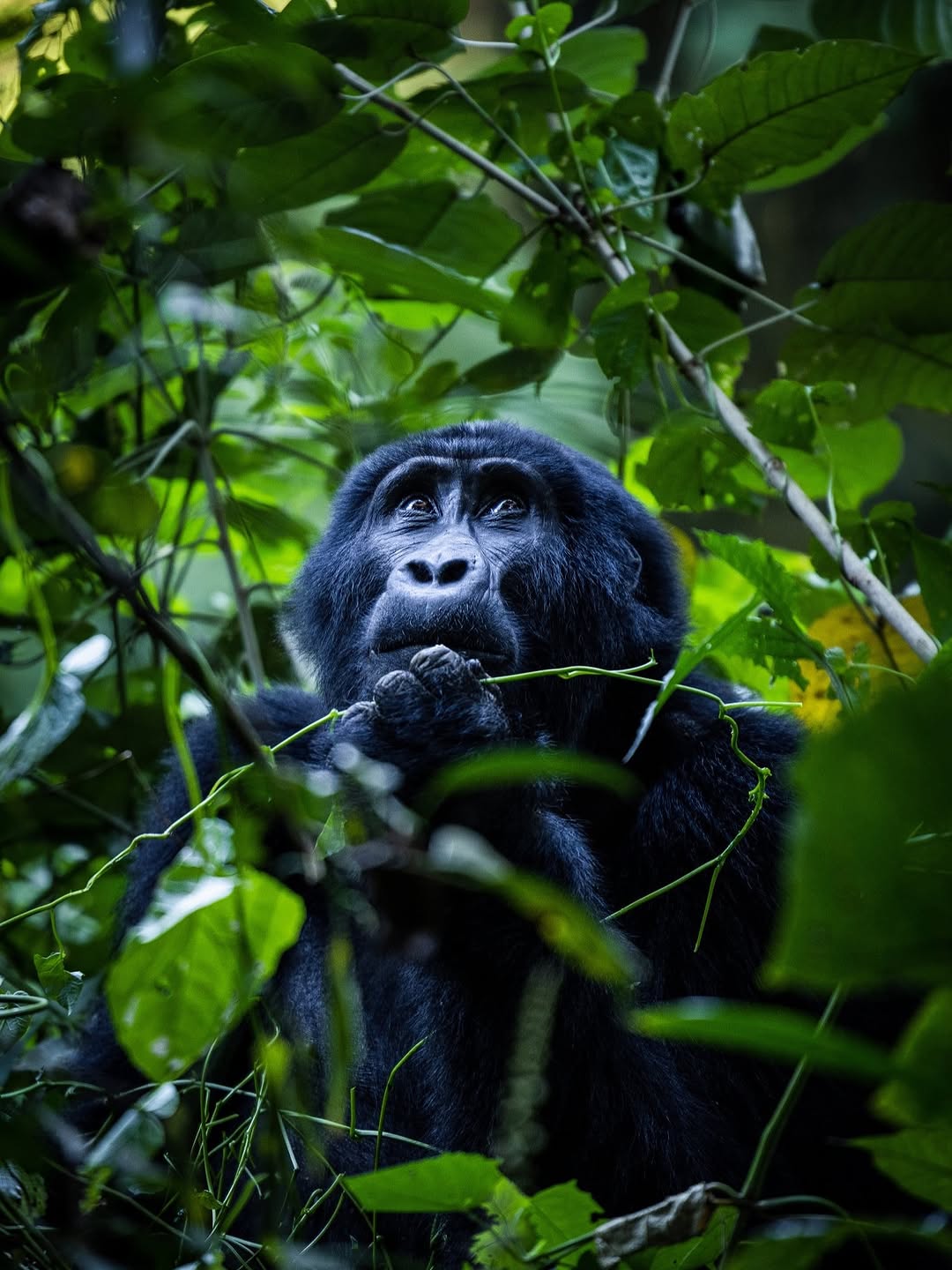
You are visiting the Gorillas as they are going about their daily life and hopefully get sightings of different members like the leading Silverback, adult females, adolescents and babies.

6. Finalizing the Gorilla trekking

When the hour has passed you trek back through the jungle. Depending on the time you might take a short break to have your packed lunch to get energy to finalize the trek. Ones you are out of the jungle you gather together with the group for a ceremony to finalize the trek. During this ceremony each visitor is rewarded a diploma for trekking the Mountain Gorillas of Uganda as a souvenir to remember this special day of meeting the Mountain Gorillas.

Learn more about gorilla trekking

Frequently asked questions about Gorilla trekking in Uganda

Complete guide to Gorilla trekking in Uganda

Gorilla trekking in Uganda vs. Rwanda

Age limit for Gorilla trekking in Uganda & options for families

Facts about Mountain Gorillas & conservation

Can I spend more than one hour with the Gorillas?

Categories
Uncategorized

Gorilla Trekking in Uganda vs Rwanda

Gorilla trekking is one of Africa’s most extraordinary wildlife experiences, offering a rare and intimate encounter with endangered mountain gorillas in their natural habitat. These gentle giants are found in only three African countries: Uganda, Rwanda, and the Democratic Republic of Congo.

Among them, Uganda and Rwanda stand out as the best and safest destinations for gorilla trekking, with well-established conservation programs, experienced guides, and excellent tourism infrastructure.

This comprehensive guide explores where to see gorillas in Africa, focusing on Uganda vs Rwanda gorilla trekking, covering costs, safety, landscapes, difficulty, best time to go, family travel, and how to combine gorilla trekking with other iconic African safaris.

Best Places to See Gorillas in Africa

Uganda

  • Bwindi Impenetrable National Park
  • Mgahinga Gorilla National Park

Rwanda

  • Volcanoes National Park

Both destinations offer unforgettable encounters, but each provides a distinctly different trekking experience.

Cost of Gorilla Trekking: Uganda vs Rwanda

Gorilla Trekking Permit Prices

  • Uganda: USD $800 per person
  • Rwanda: USD $1,500 per person

Uganda is the more budget-friendly option, making gorilla trekking accessible to a wider range of travellers. Rwanda’s higher permit cost reflects its focus on low-impact, high-end tourism and strong investment in conservation and community development.

Additional Costs to Consider

  • Accommodation: Rwanda generally offers more luxury lodges at higher prices; Uganda has a broader mix of mid-range and luxury options.
  • Transport: Rwanda benefits from short transfer times from Kigali to Volcanoes National Park. Uganda requires longer road journeys, which can increase travel time and costs.

Best value: Uganda
Best convenience & luxury: Rwanda

Is Gorilla Trekking Safe?

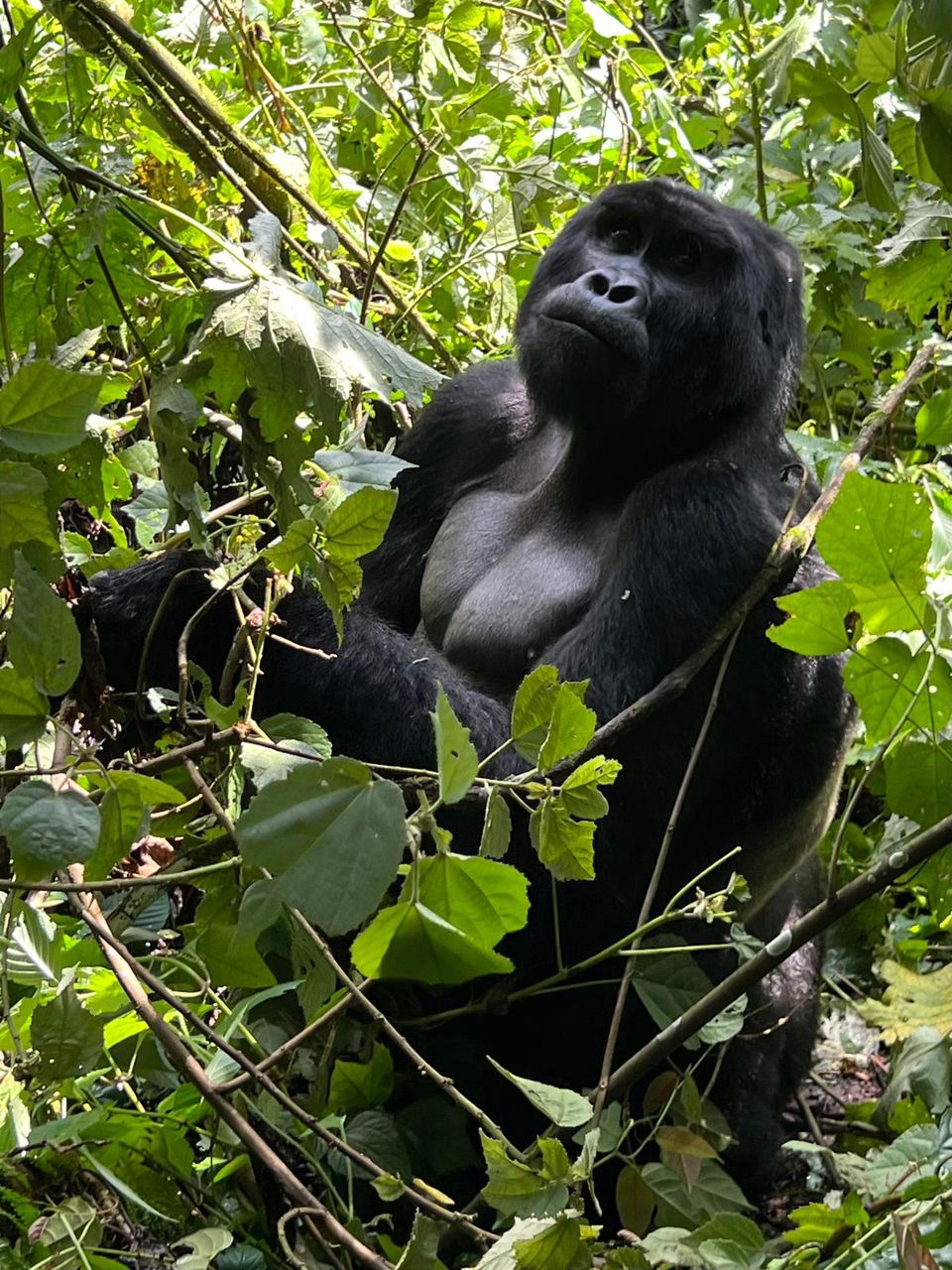
Despite their impressive size—silverbacks can weigh up to 180 kg (400 lbs), mountain gorillas are calm, gentle, and closely monitored.

  • Treks are led by highly trained rangers
  • Strict safety rules and distance guidelines are enforced
  • Gorilla families are habituated to human presence

Both Uganda and Rwanda are safe for tourists. Rwanda is often regarded as the more politically stable and organized destination, while Uganda remains safe with proper planning and up-to-date travel advice.

Landscape & Scenery: Uganda vs Rwanda

Bwindi Impenetrable Forest, Uganda

  • Dense, ancient rainforest
  • Steep hills and thick vegetation
  • Altitude: 1,160–2,607 metres
  • Feels wild, raw, and adventurous
  • Limited visibility due to thick foliage

Ideal for travellers seeking a true rainforest expedition.

Volcanoes National Park, Rwanda

  • Volcanic slopes of the Virunga Mountains
  • Open bamboo forests and alpine meadows
  • Altitude: 2,400–4,507 metres
  • Clearer gorilla sightings
  • Dramatic views and easier navigation

Perfect for those wanting scenic beauty with easier trekking access.

How Difficult Is Gorilla Trekking?

Gorilla trekking is physically demanding in both countries.

  • Trek duration: 1 to 8 hours
  • Terrain: muddy trails, steep slopes, high altitude
  • Uganda treks are generally more challenging
  • Rwanda treks are shorter but higher in elevation

Tip: Start light fitness training several months in advance for the best experience.

What Else Can You Do Besides Gorilla Trekking?

Uganda Highlights

  • Queen Elizabeth National Park – classic safari & tree-climbing lions
  • Birdwatching – over 1,000 bird species
  • Jinja – source of the Nile & white-water rafting
  • Lake Victoria & Entebbe

Rwanda Highlights

  • Golden monkey trekking
  • Kigali Genocide Memorial
  • Akagera National Park – Big Five safaris
  • Birdwatching – over 700 bird species

Can Children Go Gorilla Trekking?

  • Minimum age: 15 years
  • Applies in both Uganda and Rwanda
  • Rwanda’s easier treks are often better for families with teens

Best Time to Go Gorilla Trekking

Dry Seasons (Best)

  • June – September
  • December – February

These months offer:

  • Firmer trails
  • Better visibility
  • Lower malaria risk

Uganda is a year-round destination, but Bwindi remains humid, so waterproof gear is essential.

Combining Gorilla Trekking With Other African Safaris

Uganda and Rwanda pair beautifully with Kenya and Tanzania:

  • Kenya: Maasai Mara & the Great Migration
  • Tanzania: Serengeti & Ngorongoro Crater

This allows travellers to experience rainforest primates and classic savannah safaris in one trip—an unbeatable African adventure.

Accommodation Options in Uganda and Rwanda

Both countries offer accommodations ranging from affordable lodges to ultra-luxury retreats.

Uganda

  • Greater diversity of lodging options
  • Notable luxury lodges include Asilia’s Erebero Hills (opening 2026)

Rwanda

  • High-end eco-lodges near Volcanoes National Park
  • Strong focus on sustainability and exclusivity

Final Thoughts

Both Uganda and Rwanda offer world-class gorilla trekking experiences that rank among Africa’s most unforgettable wildlife encounters.

  • Choose Uganda for adventure, value, and diverse experiences
  • Choose Rwanda for luxury, convenience, and stunning landscapes

Whichever destination you choose, coming face-to-face with mountain gorillas is a once-in-a-lifetime experience that will stay with you forever.

Categories
Uncategorized

How Long from Kigali to Bwindi National Park?

Are you planning a gorilla trekking adventure in Uganda’s Bwindi Impenetrable National Park and wondering how long it takes to get there from Kigali, Rwanda? You’re not alone!

Many travelers choose to fly into Kigali International Airport and then drive to Bwindi because the route is shorter, smoother, and incredibly scenic compared to starting from Entebbe.

In this complete guide, Bwindi Trails Expeditions explains how long it takes to reach each Bwindi sector from Kigali, what you’ll see along the way, border crossing details, and other useful travel tips to make your journey exciting and easy.

About Bwindi Impenetrable National Park

Hidden deep in the misty hills of southwestern Uganda, Bwindi Impenetrable National Park is a UNESCO World Heritage Site and one of Africa’s most remarkable wildlife destinations. It is home to almost half of the world’s remaining mountain gorillas and offers one of the most thrilling wildlife experiences on earth, gorilla trekking.

The park is divided into four main sectors, each offering a different experience:

  • Buhoma Sector (North) – The oldest and most famous sector, known for luxury lodges and easy access to community experiences.
  • Ruhija Sector (East) – Found in a higher area, Ruhija is quiet and ideal for bird lovers and travelers seeking peaceful forest walks.
  • Rushaga Sector (South) – The most accessible from Kigali, offering many gorilla families and great accommodation choices.
  • Nkuringo Sector (Southwest) – A beautiful but hilly region, perfect for those who love adventure and spectacular views.

Travel Time from Kigali to Bwindi National Park

The time it takes to drive from Kigali to Bwindi depends on which sector your gorilla permit is for.

If your trek is in the Rushaga Sector, expect a journey of about 4 to 5 hours from Kigali. This is the shortest and most popular route, passing through Cyanika Border or Katuna Border, and then continuing through the scenic hills of Kisoro.

For those heading to the Nkuringo Sector, the drive takes about 5 to 6 hours. The road is hilly but offers amazing views of the Virunga Volcanoes and local villages. It’s perfect for travelers who want a mix of challenge and beauty.

Traveling to the Ruhija Sector takes around 6 to 7 hours. This route passes through Kabale town, often called the “Switzerland of Africa” and offers fantastic scenery and photo stops along the way.

Finally, reaching the Buhoma Sector, located in the northern part of the park, takes roughly 7 to 8 hours from Kigali. It’s the farthest, but the journey is rewarding, with many opportunities to experience Ugandan culture and landscapes.

Tip: If you prefer a shorter drive, the southern sectors (Rushaga and Nkuringo) are the best choices when traveling from Kigali.

Border Crossing from Rwanda to Uganda

There are two main border points you can use when driving from Kigali to Bwindi:

  • Cyanika Border Post (near Kisoro)
  • Katuna Border Post (near Kabale)

Make sure you have:

  • A valid passport (with at least six months before expiry)
  • A Yellow Fever vaccination card
  • An East African Tourist Visa, which costs USD 100 and allows travel between Rwanda, Uganda, and Kenya for up to 90 days.

Crossing the border is usually smooth if you have all the required documents ready.

 Best Time to Travel from Kigali to Bwindi

Bwindi can be visited all year round, but the dry seasons from June to September and December to February, are the most popular. During these months, trekking conditions are easier, and forest paths are less slippery.

The rainy seasons (March to May and October to November) are quieter, offering a more private experience with lush green scenery, ideal for photographers and birdwatchers.

 Cultural Encounters along the Journey

The drive from Kigali to Bwindi is not just about distance, it’s a chance to experience local life and culture. You’ll pass through Rwanda’s famous rolling hills, cross lively border towns, and see Uganda’s vibrant rural communities.

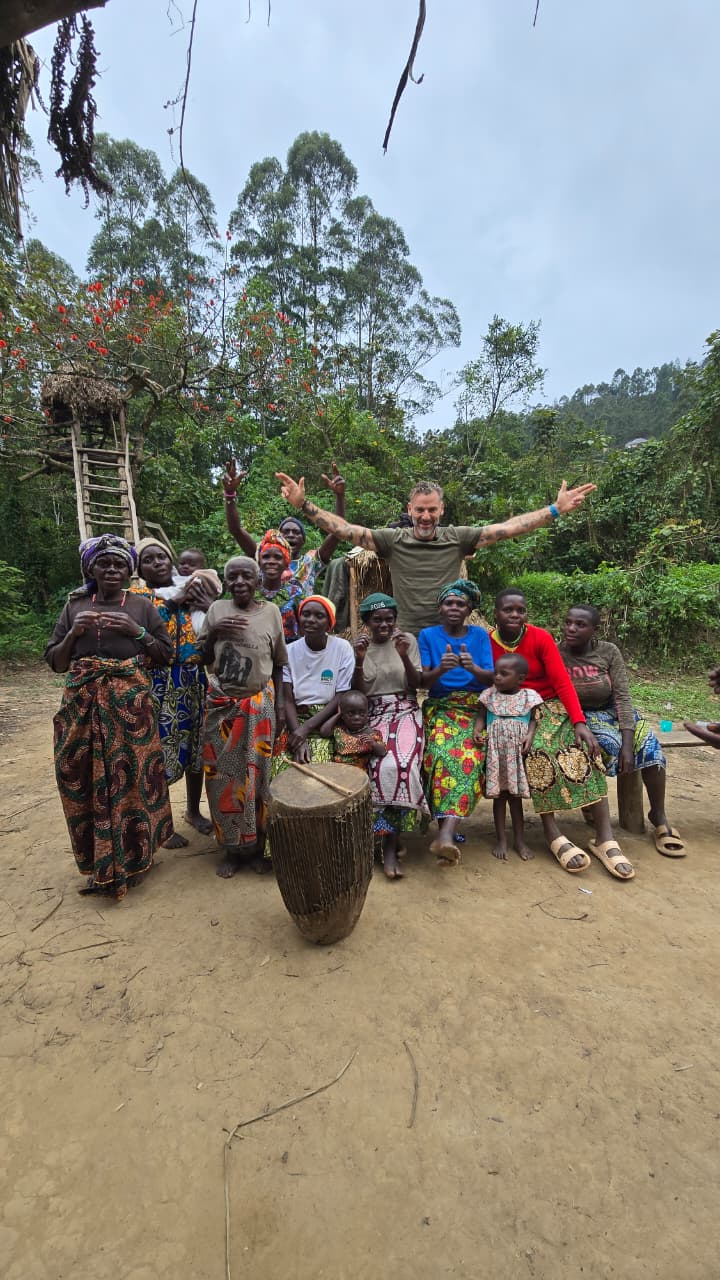
In Bwindi, a visit to the Batwa Cultural Village is a must. The Batwa people, who once lived in the forest, share their traditional songs, dances, and stories about life with the gorillas before conservation began. It’s an inspiring experience that adds meaning to your safari.

 Scenic Highlights along the Way

The road from Kigali to Bwindi is filled with natural beauty and countless photo opportunities. Expect to see:

  • Terraced farmlands stretching over rolling hills
  • The majestic Virunga Volcanoes on the horizon
  • Sparkling lakes like Mutanda and Bunyonyi
  • Mist-covered forests and beautiful village markets

For photographers and nature lovers, this route is one of East Africa’s best-kept secrets.

 Why Start Your Bwindi Trip from Kigali

Many travelers prefer the Kigali route for several good reasons:

  •  Shorter travel time – Only 4 to 6 hours by road compared to 9 to 10 hours from Entebbe.
  •  Lower costs – Uganda gorilla permits (USD 800) are much cheaper than Rwanda’s (USD 1,500).
  •  Scenic and comfortable drive – Enjoy views of two countries in one journey.
  •  Easier safari combinations – Combine Rwanda city tours, Volcanoes National Park, or Nyungwe Forest with your Bwindi trek.

This makes Kigali the perfect gateway for a short or combined Uganda–Rwanda gorilla safari.

 Where to Stay in Bwindi

Bwindi offers a variety of lodges and camps for all budgets:

Luxury Lodges

  • Clouds Mountain Gorilla Lodge (Nkuringo)
  • Buhoma Lodge (Buhoma)

Mid-Range Lodges

  • Ichumbi Gorilla Lodge (Rushaga)
  • Bakiga Lodge (Ruhija)

Budget Options

  • Bwindi Backpackers Lodge
  • Ride 4 a Woman Guesthouse

Our team at Bwindi Trails Expeditions will help you choose accommodation that matches your gorilla permit and comfort preferences.

Final Thoughts

Traveling from Kigali to Bwindi Impenetrable National Park is one of the most beautiful road trips in East Africa. The journey combines spectacular scenery, rich culture, and the unforgettable experience of meeting mountain gorillas in their natural habitat.

Whether your gorilla trek takes you to Rushaga, Nkuringo, Ruhija, or Buhoma, you can count on Bwindi Trails Expeditions to make your safari smooth, exciting, and full of memories that will last a lifetime

Categories
Uncategorized

Uganda Birding Safaris.

Uganda Birding Safaris – Discover the Pearl of Africa through Its Birds

Uganda is one of the best birding destinations in Africa. With over 1,080 bird species recorded, this small country offers an incredible variety of habitats — from tropical rainforests and papyrus swamps to savannah plains and mountain slopes. Bird lovers can find both East African and Central African species, including some that are rare or found only in Uganda.

Whether you are an experienced birder or a beginner with binoculars, a birding safari in Uganda is an unforgettable experience.

 1. Mabamba Swamp – The Home of the Shoebill

Just an hour’s drive from Entebbe, Mabamba Swamp is one of Uganda’s most famous birding sites. It lies along the shores of Lake Victoria and is best explored by canoe. The star attraction here is the Shoebill (Balaeniceps rex) — a large, prehistoric-looking bird that is high on every birder’s wish list.

Other birds found in Mabamba include:

  • African Jacana
  • Malachite Kingfisher
  • African Pygmy Goose
  • Papyrus Gonolek
  • Blue-breasted Bee-eater
  • Goliath Heron

The calm waters and papyrus channels make it easy to get close views and great photos.

 2. Bwindi Impenetrable National Park – Forest Birds and Albertine Endemics

Bwindi is world-famous for mountain gorillas, but it is also one of Africa’s top birding spots. The thick rainforest hosts more than 350 bird species, including 23 Albertine Rift endemics found nowhere else on Earth.

Key birds in Bwindi include:

  • African Green Broadbill
  • Regal Sunbird
  • Rwenzori Batis
  • Handsome Francolin
  • Blue-headed Sunbird
  • Shelley’s Crimsonwing (very rare)
  • Black-billed Turaco

Birding is excellent along the Buhoma and Ruhija trails, where the forest is alive with calls from morning till evening.

3. Queen Elizabeth National Park – Birds of the Savannah and Wetlands

Queen Elizabeth National Park combines grasslands, lakes, and forests, creating habitats for more than 600 bird species one of the highest totals in Africa.

Highlights include:

  • African Skimmer
  • Grey-crowned Crane (Uganda’s national bird)
  • Great White Pelican
  • Martial Eagle
  • Black-rumped Buttonquail
  • Malachite and Pied Kingfishers
  • Saddle-billed Stork

Birders enjoy game drives, boat cruises on the Kazinga Channel, and nature walks in the Maramagambo Forest.

4. Murchison Falls National Park – The Nile’s Bird Paradise

Murchison Falls, Uganda’s largest park, offers a mix of woodland, riverine, and savannah birds. The Victoria Nile attracts countless water birds, while the open plains host raptors and savannah species.

Look out for:

  • Shoebill (often seen near the Nile delta)
  • Abyssinian Ground Hornbill
  • Red-throated Bee-eater
  • Giant Kingfisher
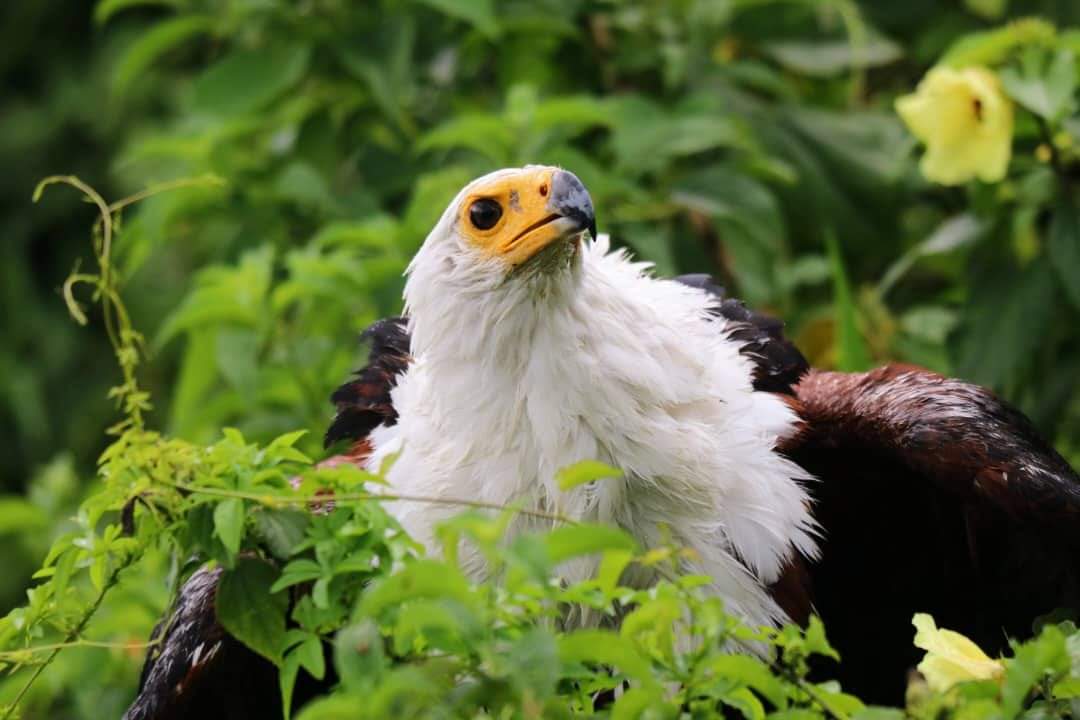
  • African Fish Eagle
  • Denham’s Bustard
  • Secretary Bird

A boat cruise to the base of the falls is a must, you can see many species along the riverbanks.

 5. Kibale Forest National Park – Forest and Woodland Birds

Known for its chimpanzees, Kibale Forest is also a top site for forest birding, with over 370 species.

Some highlights include:

  • Green-breasted Pitta (a rare and beautiful bird often seen in Kibale)
  • Black Bee-eater
  • African Grey Parrot
  • Yellow-spotted Barbet
  • Brown Illadopsis
  • Yellow-billed Barbet

The Kanyanchu Visitor Center and Bigodi Wetland Sanctuary are the best birding spots here.

6. Mgahinga Gorilla National Park – High-Altitude Birding

Uganda’s smallest park, Mgahinga, lies on the slopes of the Virunga Volcanoes. It is perfect for high-altitude bird species and Albertine Rift endemics.

Notable birds:

  • Rwenzori Turaco
  • Dusky Crimsonwing
  • Rwenzori Double-collared Sunbird
  • Archer’s Robin-Chat
  • Kivu Ground Thrush

The Gorge Trail between Mount Gahinga and Mount Sabinyo is excellent for birding.

7. Lake Mburo National Park – Easy Birding Close to Kampala

Only four hours from Kampala, Lake Mburo is ideal for short birding trips. It hosts over 350 bird species in a mixture of woodland, acacia savannah, and wetlands.

Birds to see include:

  • African Finfoot
  • White-winged Tit
  • Rufous-bellied Heron
  • Red-faced Barbet (found only here in Uganda)
  • Long-tailed Cisticola
  • Bare-faced Go-away Bird

The park is also great for walking and boat birding.

Final Thoughts

Uganda is truly a birder’s paradise — a place where tropical forests meet open savannah and mountain peaks. From the iconic Shoebill to the colorful sunbirds and turacos, every corner of Uganda has something special to offer.

At Bwindi Trails Expeditions, we organize tailor-made Uganda Birding Safaris led by experienced bird guides. Whether you want a short birding tour or a full three-week birding expedition, we’ll help you explore the country’s most rewarding bird habitats.

Categories
Uncategorized

Is Uganda Good For African Safari?

Is Uganda Good For African Safari? Uganda is located in the eastern part of Africa and is one of the most visited countries due to its so many attractions. There are a lot of attractions in Uganda and these include mountains, lakes, rivers, mammals, primates, and birds. The main reason why so many tourists love Uganda’s safaris is that Uganda has two national parks which are home to the endangered mountain gorillas that share 98%human DNA with human beings. These apes live in Bwindi impenetrable forest national park and Mgahinga Gorilla Park both located in southwestern Uganda.

The other reason Uganda would have a good safari is the classic game drives that happen in the best national parks namely Queen Elizabeth national park, Kidepo valley national park, Murchison falls national park and Lake Mburo national park. During these game drives, you see a lot of mammals, primates as well as birds. Uganda has the best boat cruises done in Murchison falls national park to the bottom of the falls, boat cruise on Kazinga channel, and Lake Mburo.

Classic safari game drives in Uganda.

Uganda has 10 national parks but 4 of these offer the best game drive experiences. The national parks where game drives are enjoyed in Uganda are Queen Elizabeth national park, Kidepo valley national park, Murchison falls national park, and Lake Mburo national park.

The best classic game drive on a Uganda safari can happen at three destinations and these are the famous Murchison falls national park, Kidepo valley national park in the rugged remote areas of the north as well as Queen Elizabeth national park famous for tree-climbing lions. The above destinations are good for game viewing safaris as well as the smaller Lake Mburo national park which you can visit to or from Queen Elizabeth national park, Bwindi impenetrable forest national park, and Mgahinga Gorilla Park.

Safari in Queen Elizabeth national park

A safari to queen Elizabeth national park takes you to western Uganda to the most visited national park as well as the second-largest park in the country. One of the top reasons why people visit Queen Elizabeth national park is because of the rare tree-climbing lions that are found nowhere in the world but in this park as well as Lake Manyara national park of Tanzania.

Queen Elizabeth national park has gained an outstanding global reputation for having the biggest number of tree climbing lions that find their home in the Ishasha sector of the park. The lions are better seen during the afternoon hours when they are resting on branches of big fig trees.

During the early morning or late evening hours, you can head out to Kasenyi plains for a fantastic game drive where you see a number of animals. Just like other national parks during these hours the animals will be easy to spot. The animals that can be seen in queen Elizabeth national park include lions, elephants, topis, buffaloes, hyenas, leopards, waterbucks, bushbucks, warthogs, giant forest hogs, banded mongoose, hippos, vervet monkeys, olive baboons as well as black and white colobus monkeys.

There are also chimpanzees in Queen Elizabeth national park in Kyambura gorge.

Safaris in Queen Elizabeth national park can also contain a boat cruise which is done on the Kazinga channel. Kazinga channel is the biggest channel in the world and connects Lake George to Lake Albert. The boat cruise on the Kazinga channel is done on a daily basis unless when the weather conditions don’t allow it. They go for about 2-4 hours with opportunities of seeing hippos, crocodiles, fish, and different aquatic bird species such as yellow-billed stork, great and long-tailed cormorants, African skimmer, splendid pied kingfisher, and open billed stork among others.  During the dry session, a lot of park animals are at the water sources drinking water.

Another activity that can be done on a safari to Queen Elizabeth national park is bird watching. The Park is home to more than 600 bird species which makes the park one of the best birding spots in Uganda. There are different birding spots in the park such as Kazinga channel, Mweya peninsula, Kasenyi area, Ishasha sector, Katwe area, Kasenyi area, and Maramagambo forest to mention but a few. Some of the bird species in Queen Elizabeth national park include African jacana, rare saddle-billed stork, grey crowned crane, rare shoebill stork, papyrus gonolek, papyrus canary, lesser and greater flamingo, bar-tailed godwit, pink-backed pelican, martial eagle, corn lake, white-winged warbler, African mustached warbler, barbets, black crake, hooded vulture, black belied bustard, white-tailed lark, grey kestrel, and swamp nightjar.

Chimpanzee trekking can also be done in Kyambura gorge and this begins with a briefing after which trekkers are grouped and a ranger guide leads them into the jungle. After locating the chimpanzees, trekkers are given a maximum of one hour to be around chimpanzees and this helps them to learn more about their habitats. The other activity that is done in queen Elizabeth national park is lion tracking and this is done in the Kasenyi plains located on the northern side of the park.

Safari in Murchison falls national park

Located in the northwestern part of Uganda, Murchison falls national park is the largest savannah park in Uganda one can go for a safari. The Park is a home of 76 mammal species and 451 bird species as well as Murchison falls which happen to be the strongest in the world. There are so many activities that can be done on a safari in Murchison falls national park and these include game drives, birding, sport fishing, hiking to the top of the falls, boat cruises, chimpanzee trekking in Budongo forest and nature walks.

The boat cruise in Murchison falls national park is the best activity in the parka and this is done on Victoria Nile. The boat cruise is done in two sessions with one done in the morning and the other in the evening. The boat cruise lasts for 2-3 hours with opportunities of seeing water animals such as crocodiles, hippos, elephants, antelopes, giraffes, and water birds such as shoebills, giant kingfishers, long-toed plover, black-headed lapwing, and veracious dove among others. The boat cruise in Murchison falls national park takes you to the bottom of the falls where you get to see water passing through a narrow gorge making different sounds. At the bottom of the falls is also a link to the top of the falls. The boat cruise gives you an opportunity to take clear pictures of the waterfalls, water animals, and the animals on the shores of the river.

There are game drives in Murchison falls national park and these expose you to park animals and bird species. the game drives in the park take you through different tracks with opportunities of seeing animals such as lions, elephants, buffaloes, leopards, oribis, Uganda kobs, bushbucks, waterbucks, warthogs, hyenas, olive baboons, hartebeests, giraffes, hippos, oribis, and duikers among others.

Another activity commonly done in Murchison fall national park is birding because the park is one of the best birding places with over 451 bird species that have been so far recorded in the park. There are different birding spots where one can get an opportunity of seeing birds such as African emerald cuckoo, African fin foot, black coucal, red-throated wryneck, yellow bill, blue shouldered robin cat, grey crested crane, sulphur breasted bush shrike, African warbler, barbets, white-winged warbler, brown illadopsis, black bishop, white-winged tern, white-breasted nigro-finch, chestnut wattle eye, yellow wagtail, African jacana, sacred ibis, black crake, and grey crowned crane among others.

Safari in Kidepo valley national park

Kidepo valley national park in the north of Uganda could be the less visited national park in the country because it is located in rugged remote areas. The government is working hard to make it one of the most visited national parks in the country by constructing better roads to the park as well as better accommodation facilities. Kidepo valley national park has the highest number of lions in the country and the population is increasing compared to Queen Elizabeth national park and Murchison falls national park.

There are so many activities that can be done in Kidepo valley national park among which include game drives where you have an opportunity to see over 85 mammals of which 28 are found nowhere else in Uganda. The animals likely to be seen on a game drive in Kidepo include zebras, lions, Uganda kobs, hippos, bat-eared foxes, elephants, waterbucks, wild dogs, leopards, elands, klipspringer, Jackson’s hartebeest, cheetahs, mountain reedbuck, buffaloes, oribis, dik-dik, caracal, kudus, kongoni, patas monkeys, and bush babies.

Birding is also another activity one could do on a safari to Kidepo valley national park. The park is a home of 450 bird species that have been so far recorded in the park. The ostrich is the famous and common bird in the park but there are other bird species that are likely to be seen on a safari such as Kori bustard, dark chanting goshawk, red-winged pytilia, Jackson’s hornbill, Ethiopian swallow, Abyssinian scimitar bill, rufous chatterer, rufous chatter, chestnut weaver, black-breasted barbet, black coucal, golden pipit, greater kestrel, red-throated bee-eater, pygmy falcon, rose-ringed parakeet, steel-blue whydah, golden kestrel, Karamoja Apalis, pygmy falcon, northern carmine bee-eater, white-bellied go-away bird, Abyssinian roller, fox kestrel, D’Arnaud’s barbet, scarlet chested sunbird, and little bee-eater among others.

Kidepo valley national park offers the best cultural encounters in Uganda. There are two tribes living around Kidepo valley national park and these are the IK and the Masai. These people are mainly cattle keepers and the more cows a person has the more he is respected. When you visit these people, you get to learn their way of dressing, taste local foods, enjoy traditional dances and much more.

Safari in Lake Mburo national park

Lake Mburo national park is Uganda’s smallest national park located on Masaka Mbarara road. the park covers an area of 260 sq. km and has 5 small lakes with Lake Mburo being the largest. Because the park is small travelers can view wildlife on foot. There are so many activities in Lake Mburo national park among which include game viewing where you get to see some of the park animals such as zebras, topis, buffaloes, waterbucks, impalas, duikers, hippos, and warthogs among others.

There are boat cruises in the park done on Lake Mburo. The boat cruise on Lake Mburo exposes you to crocodiles, hippos, water birds, and other park animals on the shores of the lake drinking water. The boat cruise is done in 2 sessions one in the morning and the other in the evening. There is horse riding in the back and this can only be done by tourists who sleep in Mihingo Lodge. Horseback riding gives you opportunities of exploring the park animals, birds, and vegetation.

Birding is also another activity done in lake Mburo national park. The park is a home of over 360 bird species and this gives you an opportunity of seeing birds such as Tabora cisticola, great snipe, rare shoebill stork, African fish eagle, saddle-billed stork, African finfoot, papyrus yellow warbler, African-wattled lapwing, yellow-rumped tinkerbird, emerald spotted wood, African finfoot, jacana, white-winged tit, bare-faced go-away-bird, black papyrus gonolek, grey crowned crane, striated swallow, and Abyssinian ground hornbill among others.

What consists of a good safari in Uganda?

A good safari in Uganda consists of a good comfortable safari vehicle which would give you the best views during the game drives, a good safari driver-guide who knows how to communicate clearly and one who is well trained with experience, good accommodation facilities which can give you the best sleep and good tourism activities. About activities a good safari would be having primate watching let’s say chimpanzee trekking or gorilla trekking, a boat cruise on Lake Mburo, Kazinga channel, or Albert Nile in Murchison falls national park and a game drive in the 4 best national parks with game drives.

In summary, Uganda is a blessed country with so many attractions among which primate trekking in Bwindi impenetrable forest national park and Mgahinga national park lead. But to have the best safari in Uganda you must deal with trusted Uganda safari operators that can draw a good all-inclusive itinerary.

Best time to visit Uganda

Uganda can be visited at any time of the year but the best time to visit the country for an inclusive safari is the dry season. The dry season in Uganda happens from June to September and December to February. It’s during these months that the roads leading to the parks are passable, the tracks in the game parks are dry and the trekking trails in primate parks are not muddy or slippery.

The rainy season of March to May and October to November is also good for a safari to Uganda most especially when you want to do birding because there are migratory birds in the country during this period, the accommodation facilities are cheap because of a few people coming into the country and primate trekking takes a few hours because the primates don’t move far in the forests because there is plenty of food everywhere. The rainy season comes with bad roads, rainfall, and slippery or muddy trails and tracks.

Categories
Uncategorized

Can I spend More than One hour with gorillas?

There are few experiences on Earth as powerful as standing just a few meters away from a mountain gorilla. Their deep brown eyes, quiet strength, and gentle nature can leave even the toughest traveler speechless.

Uganda, known as the “Pearl of Africa,” is one of the best places in the world to see these rare primates in the wild. But before you plan your trip, it’s important to know what to expect especially how much time you can spend with them and how to make the most of your visit

Where to See Gorillas in Uganda

Uganda is home to over half of the worlds remaining mountain gorillas, living mainly in two protected areas:

  1. Bwindi Impenetrable National Park – This is the most popular destination, known for its thick jungle and several gorilla families that are habituated to human presence.
  2. Mgahinga Gorilla National Park – Smaller and less crowded, located near the borders with Rwanda and the Democratic Republic of Congo.

Both parks are found in southwestern Uganda, a region of rolling hills, misty forests, and rich cultural heritage.

How Long Can You Spend With the Gorillas?

For a standard gorilla trekking permit, visitors are allowed to spend only one hour with a gorilla family once they are found.

This rule is very strict. It may sound short, but it is designed to protect the gorillas. Since they share about 98% of our DNA, they are vulnerable to human diseases. Spending too much time with people can also change their behavior or make them stressed.

So, the one-hour rule is about respect and conservation. It ensures that these magnificent creatures stay wild, healthy, and safe for generations to come.

What to Expect During the Trek

The day usually starts early in the morning. Visitors gather at the park headquarters, where rangers give a briefing about safety, rules, and what to expect.

After that, groups of up to eight people are assigned to different gorilla families. Then the adventure begins!

The trek can take anywhere from two to eight hours, depending on where the gorillas have moved. The paths can be muddy, steep, and sometimes slippery — but the journey itself is part of the magic. You’ll walk through dense rainforest filled with birds, butterflies, and sometimes other animals like monkeys and forest elephants.

When you finally meet the gorillas, time seems to stop. You might see mothers nursing their babies, young ones playing, or the silverback (the dominant male) watching over the group. The atmosphere is peaceful and full of awe.

You’ll have one hour to quietly observe, take non-flash photos, and simply soak in the moment. It’s an experience many people describe as life-changing.

Can You Spend More Than One Hour?

Yes but only with a special gorilla habituation experience.

Uganda offers a unique program that allows visitors to join researchers and rangers as they slowly get a gorilla family used to human presence. This experience can last up to four hours, giving you more time to learn and observe their behavior.

However, habituation permits are more expensive and fewer in number. The gorillas you visit during this experience are not yet fully accustomed to humans, so they may keep their distance. It’s an exciting choice for those who want a deeper, more-raw experience.

How to Get a Gorilla Trekking Permit

Permits are issued by the Uganda Wildlife Authority (UWA) and should be booked well in advance, especially during the high season (June to September and December to February).

  • Standard Trekking Permit: Allows one hour with the gorillas.
  • Habituation Permit: Allows up to four hours with a gorilla family in training.

Tour operators can help arrange permits, transportation, and accommodation.

Best Time to Visit

Uganda’s gorilla trekking is available all year round, but the dry seasons are the most comfortable:

  • June to September
  • December to February

During these months, the trails are less muddy and the weather is more stable. The rainy seasons (March–May and October–November) can make trekking harder but also quieter, with fewer tourists.

What to Pack for Your Trek

Gorilla trekking is an adventure in the wild, so come prepared. Here’s a simple packing list:

  • Sturdy hiking boots with good grip
  • Rain jacket or poncho (the forest is always damp)
  • Long-sleeved shirt and long trousers to protect from insects and scratches
  • Gloves for holding onto plants and branches
  • Water bottle and some snacks
  • Camera (no flash allowed)
  • Walking stick (usually provided at the park)
  • Face mask, as sometimes required to prevent spreading illness to the gorillas

Rules to Follow Around Gorillas

To protect the gorillas and yourself, it’s important to follow all park rules:

  1. Keep a distance of at least 7 meters from the gorillas.
  2. Do not touch them, even if they come close.
  3. No eating, drinking, or smoking near the gorillas.
  4. Speak quietly and avoid sudden movements.
  5. Do not use flash photography.
  6. Stay with your group at all times.
  7. If you’re sick (with a cold, flu, etc.), you may not be allowed to trek.

These rules ensure that your visit has no negative impact on the gorillas.

The Cost and Value

Gorilla trekking in Uganda is not cheap, but it is worth every penny. The money from permits goes directly toward protecting the gorillas and supporting local communities through jobs, education, and conservation programs.

By visiting, you are helping to ensure that these great apes continue to survive in the wild.

Beyond the Gorillas

While gorilla trekking is the highlight for many, Uganda offers much more:

  • Queen Elizabeth National Park for lions, elephants, and hippos.
  • Lake Bunyonyi for relaxing after the trek.
  • Rwenzori Mountains for hiking.
  • Cultural visits with the Batwa people, the forest’s original inhabitants.

Adding these experiences can turn your trip into a complete African adventure.

Final Thoughts

That one hour with the gorillas may be short, but it’s one of the most powerful wildlife experiences in the world. Seeing their calm faces, gentle gestures, and family bonds reminds us of our connection to nature.

Uganda offers this magic with a deep respect for the gorillas’ well-being. Whether you spend one hour or four, the memory will stay with you forever, a quiet reminder of how precious and fragile our planet’s wild places truly are.

Categories
Uncategorized

How long is a gorilla trek in Uganda?

How difficult is gorilla trekking? How long is a trek to see gorillas? Am I fit enough for Gorilla trekking? These were just a few of the questions that come to the mind travelers when planning a gorilla tour in Uganda, Rwanda and Congo. Although gorilla trekking is considered one of the most fascinating wildlife experiences, it is not like your normal game drive or visit to the local zoo. Gorilla trekking involves hiking through difficult terrain, thick vegetation, water bodies, hills and valleys. The activity can be very challenging and strenuous leaving one exhausted and with sore knee especially if they are not used to walking for long hours. The activity is not just about hiking in well paved and predictable tracks. Once has to deal with biting insects, thorns and thick forest. Rain and Altitude sickness is also a real worry in some of the parks. The greatest advice we would give a traveler is to prepare mentally before embarking on gorilla trekking. Prepare for unpredictable weather, terrain and changes in plan which is common in some developing countries. Though strenuous for some and especially the unfit, 98% percent of people eventually complete the activity.

For some, the thing which makes gorilla trekking very thrilling is the experience of hiking through unknown territory and tropical forest. They love the opportunity to spot birds, smaller primates and the beautiful scenery. Some even enjoy the adventure of sliding in the mud or hiking up steep cliffs just to see the primates.  We have known several travelers who got disappointed because they found the primates too soon hence missing the fun of trekking for hours.

How long is a walk to the gorillas? How tough is Gorilla Trekking?

How long does gorilla trekking take? The time taken tracking mountain gorillas can be quiet unpredictable. We estimate anywhere between 30 minutes to 7 hours before locating a particular gorilla family. The length of gorilla trekking will depend on many factors. One is the gorilla group you are allocated and the location of the group on that day. Whereas some gorilla families live close to the park offices and lodges, most of them are on the move and may go deeper into the forest or park. There are even some gorilla families that keep moving away each time trackers get closer to them before eventually settling. This is especially so for those who choose to go for the gorilla habituation experience. The gorilla habituation experience in Bwindi allows visitors more time with the gorillas that are still undergoing the habituation process. Visitors who plan to do double gorilla trekking (tracking for more than one day) are assigned different gorilla families each day. They will notice a difference in the time taken to locate the groups as well as their overall behavior. It is very important to select your accommodation near the area where your selected gorilla family is known to be living. This is especially so if you are tracking gorillas in Bwindi.

Bwindi is just one of the four national parks where gorilla trekking is arranged. Gorilla trekking can also be done in Mgahinga National Park of Uganda, the Volcanoes National Park in Rwanda and Virunga National Park in Congo. Each destination has its difficulties. In Bwindi, tourists have to deal with rivers, streams and thicker forest. Travelers to Mgahinga and Volcanoes National Park have to contend with the mist, higher altitude and bamboo forests.

In order to have the best gorilla trekking experience, it is important to go prepared. Acquire the right hiking boots, clothing, rain jackets, a hat, hand gloves, insect repellents, sun glasses and any other thing that will make you more comfortable while tracking the gorillas. Don’t forget to carry light snack and enough drinking water to keep you hydrated. If you are an elder, you need to book your gorilla safari operator to plan an easier trek for you. If you book late and in the peak season, you might find that the closest gorilla groups are booked.

Level of fitness for gorilla trekking – How hard is gorilla trekking?

How fit do you need to be for gorilla trekking? In order to deal with the challenges of tracking mountain gorillas, you need to be fit enough. Gorilla trekking involves hiking through thick forests, hills and valleys to locate a gorilla family. This doesn’t mean that those who are less fit cannot track the primates. In fact, most people who do gorilla trekking have average fitness levels. Gorilla trekking for elders is possible with the help of hiking sticks, porters and sedan chairs. It is important for the elderly to book their gorilla trip early in advance so that they can be assigned an easier trek and also reserve a sedan chair. These Sedan chairs are designed for the aged or disabled but anyone can choose to use them. The Sedan chairs and eight porters to carry it may cost about $500.

All travelers are encouraged to hire the services of a porter in case they fill unfit or have heavy luggage (cameras, binoculars etc.). Hiking for long distances can make even small bags appear heavy. The porters will also help with climbing difficult sections of the hike by pulling you up or lending a hand when the hike get challenging. Hiking sticks are given free of charge at the beginning of the trek – Take them like gold even if you are fit for you will thank us later. Always follow advice of the Rangers right from the time of briefing, while hiking and also when with the gorillas so that you have a great experience. We hope that by now, you have stopped worrying about your level of fitness and if you can complete the activity.

How to improve your fitness for gorilla trekking?

Regardless of how fit you may consider yourself to be, it is not a good idea to underestimate the importance of being mentally prepared before gorilla trekking. If you doubt your ability to hike for long distance but are relatively in good shape you should do the following to improve on your endurance ahead of your trip for gorilla trekking.

Stretch: Stretching helps improve mobility and may prevent unnecessary injuries to body joints or muscles. Stretching also helps with flexibility and reduces the possibility of waking up with sore muscles.

Do some walking and hiking: Before your gorilla safari, try to prepare your body for long hikes by walking for long distances outside your home, in parks or if possible the nearest forest in your home area. If you leave in a mountainous area which is also forested, that would be a perfect training ground. Start with shorter distance and increase it with time. Ensure that you put on the same hiking gear that you would use while tracking the gorillas so that your body used to their weight. You can also decide to walk from your office up to your home if time and weather permit.  The idea is to prepare your body to deal with long hours of walking.

We can conclude by saying that the level of difficulty of gorilla trekking depends on your overall fitness and the gorilla family you are assigned to on the day of the trek. Even if you were to track the same family on different days, the experience and level of difficulty would be different. It is also important to note that the park Rangers will move at your pace and not let anyone stay back. The Rangers know exactly where the gorilla groups are located by sending an advance team of trackers to find out the exact location of the gorilla families. It is for this reason that the chances of seeing the gorillas are very high. Almost anyone can do gorilla trekking as long as they are not sick or with a transmittable disease. The elderly and physically challenged can also go for gorilla trekking if they let their tour operator know in advance for better planning. All in all, regardless of how long the trek is, you will find the experience memorable and worth all the effort.

Categories
Uncategorized

Mountain Gorillas | Facts & conservation efforts

Mountain Gorillas

Seeing the mysterious Mountain Gorillas is a dream for many adventurous travelers and saving them is the goal for conservationists. The Mountain Gorilla is one of the great apes together with humans, chimpanzees, bonobo and orangutans. The fact that we are closely related, sharing 98% of our DNA (source), is maybe part of why we find them so fascinating

WHERE DO MOUNTAIN GORILLAS LIVE?

The home of the Mountain Gorillas in the jungle covered mountains shared by Uganda, Rwanda and the Democratic Republic of Congo. They live high in the mountains, between 2500 to 4000 m. These great apes don’t survive well in captivity, so the ones in these jungles are the only ones. All three countries where the mountain gorillas live have set up National Parks to protect their habitat. In Rwanda there is Volcanoes National Park, Uganda has Mgahinga Gorilla National Park & Bwindi Impenetrable National Park and Democratic Republic of Congo has Virunga National Park.

How many Gentle giants are there?

The latest censuses made counted a total of 1063 Mountain Gorillas in the world (source). This number builds on two separate census made in Virunga mountains and Bwindi Impenetrable National Park. Both of these censuses made a few years ago so hopefully there are even more today.

In Virunga mountains the latest census done in 2015/2016 and showed a total of 604 living in the Virunga mountains. These mountains are shared by Uganda, Rwanda and Democratic Republic of Congo. The census before that was done in 2010 and showed that there were 480 living in Virunga Mountains. We can happily note that the numbers are increasing.

For Uganda’s Bwindi Impenetrable National Park the latest census made in 2018. That census showed that the National Park had a total of 459 gentle giants. This was an increase from the latest estimate of 400 in 2011.

As you can see counting the Mountain Gorillas is not something that is done that often. When reading about how the census in Bwindi was conducted you realise it really is a big project. The census in Bwindi included 12 teams of trackers, veterinarians and researchers who took shifts to spend two week periods camping in the forest. They performed the count twice during 2018 to insure reliability of the numbers. You can read more about it here.

To put some perspective on the numbers of Mountain Gorillas in the world today its worth to note that in the late 1970’s there were around 240 of them in Virunga Mountains (numbers for Bwindi Mountains were then unknown). The famous saviour of Mountain Gorillas, Diana Fossey, at the time made the statement that she feared they would be extinct by the year 2000 (source). Luckily that prediction has not turned into reality thanks to serious conservation efforts.

How old does an average Mountain Gorilla get?

Mountain Gorillas commonly become 40-yearsold (source).

What do they eat?

The diet of the gentle giants mainly made up of plants like leaves and steams. Besides that they eat some protein too in the form of for example snails and ants (source).

Read more: WWF’s summary about Mountain Gorillas

Conservation of mountain gorillas

Humanity has brought many species to the edge of extinction, one of them being the mysterious Mountain Gorillas. These great Apes were officially identified by scientists as late as 1902. In the coming century poaching, disease and loss of habitat sadly brought the numbers down to a level that was close to extinction.

The start with Dian Fossey

Between the 1970s and 1990s the situation of the Mountain Gorillas step by step came to the attention of the world. The scientist Dian Fossey and her work played a role in this and many who are interested in Mountain Gorillas have read the book she wrote about her work with them. Dian Fossey spent 18 years living in Rwanda where she studied the Mountain Gorillas.

In the early 1990s the International Gorilla Conservation Program was started by an alliance of international conservation organizations. Their purpose is to work with local authorities for the conservation of the Mountain Gorilla in a sustainable cooperation.

Hands-on conservation work today

Conservation projects aim to save the remaining habitats of the Mountain Gorillas and protect them from poachers. If we take Uganda as an example, UWA (Uganda Wildlife Authority) is working with patrols to catch poachers and stop land encroachment. Another step in the conservation process is to give the locals a chance to earn a sustainable living from the tourism industry.  This is so that they can benefit from saving the habitat of the great apes instead of encroaching on it. Meanwhile, Gorilla trekking gives the locals work opportunities both with UWA as rangers and in the hospitality industry at lodges that have been established in the area to cater for Gorilla trekking tourists.

Gorilla trekking

Gorilla trekking is for many the reason why they chose to travel to our part of world. Visitors come to make the dream of meeting the Mountain Gorillas come true. In all three countries where they live groups have been habituated to humans so that it is possible to go trek them. The habituation is a long process that takes years of the rangers visiting the group every day to make them get used to humans.

During gorilla trekking a group of 8 visitors go together with a specialized guide and rangers into the jungle. They trek through the jungle to the point where the Mountain Gorillas are. The group then get to spend one hour with them. During this time with the Great Apes the visitors see them go about their day as they rest, groom each other and eat. The young once might give an amusing show as they play and the Silverback show off his impressive size.

Read more: Gorilla trekking in Uganda | 3 day gorilla trekking safari | 12 days Wildlife and Rafting in Uganda

Positive results of conservation

Luckily it looks like efforts to save the great apes of the misty mountains came in time and after conservation work the numbers are increasing, as you can see above. In 2018 the Mountain Gorillas were taken off the list of critically endangered animals by IUCN and is now listed as endangered. With increased awareness in the communities around the National Parks the numbers will hopefully continue to increase in the coming years.

Categories
Uncategorized

East African Tourist Visa – Price, Cost and Fees in Rwanda

What is the East African Tourist Visa?

The East African Tourist Visa is a special travel document that allows you to visit three neighboring countries in East Africa Rwanda, Uganda, and Kenya with a single visa instead of applying for three separate visas.

At Bwindi Trails Expeditions, we often operate in Uganda’s forest regions, and many guests may also visit Rwanda. The EATV makes travel simpler and more convenient for such itineraries.

Who is it for & what are the limits?

  • It is for tourism only. You cannot use this visa to work, live permanently, or conduct business. Click here for more
  • You can use it if you are a tourist of any nationality, subject to each country’s entry rules.
  • The visa allows multiple entries within the three countries during its validity.
  • The country that issues the visa must be the first country you enter. For example, if you apply in Rwanda, you must enter Rwanda first.
  • The visa is generally not extendable beyond its validity.
  • Exiting the three-country region may invalidate the visa for re-entry.

Cost & Validity

  • The official fee is USD 100.
  • The visa is valid for 90 days from first entry into the region.

If you plan to travel through Rwanda and Uganda, for example for a forest trek with Bwindi Trails Expeditions, this validity period is usually sufficient.

How to Apply (Step‑by‑Step)

  1. Decide your first country of entry.
    The visa must be issued by the country you will enter first.
  2. Visit the official immigration portal of that country.
    You can usually apply online before your trip, although some countries allow a visa on arrival.
  3. Prepare required documents.
    This typically includes a passport valid for at least 6 months, a passport-sized photo, your travel itinerary or proof of onward/return ticket, and a Yellow Fever vaccination certificate.
  4. Pay the visa fee and submit the application.
  5. Enter the issuing country first and then travel to the other two countries under the same visa, within the 90-day validity.
  6. Keep in mind that if you travel outside the three countries, the visa may no longer be valid for re-entry.

Important Considerations & Tips

  • First country matters. If your itinerary begins in Kenya, you should check current rules carefully, as Kenya’s issuance of the EATV has changed in recent years.
  • Verify current regulations before applying. Immigration rules may change and some nationalities may have different requirements.
  • Avoid scam or unauthorized websites. Use official government portals only.
  • Carry your paperwork at all borders. Have your visa, passport, vaccination certificate, and travel itinerary ready.
  • Plan your itinerary so that you maximize the visa’s usefulness. Traveling within the three countries and within 90 days works best.

Why it might be the Right Choice for You

At Bwindi Trails Expeditions, we often plan trips that include Uganda’s famous forests and visits to Rwanda. The EATV lets you deal with one visa, one set of documents, and one fee, rather than applying separately for each country.

If your trip involves crossing the Uganda-Rwanda border, taking forest treks, and continuing to Rwanda’s attractions, this visa is ideal.

Final Word from Bwindi Trails Expeditions

If you’re planning a trip in East Africa that combines Uganda and Rwanda, and perhaps a stop in Kenya, the East African Tourist Visa is a convenient choice. It simplifies paperwork, reduces stress, and allows you to focus on the adventure, the forests, wildlife, culture, and natural beauty which we at Bwindi Trails Expeditions are excited to show you.

Before you travel:

  • Check the latest visa rules for each country.
  • Make sure your first country of entry aligns with the visa issuance.
  • Apply in advance if possible.
  • Ensure your travel itinerary matches the visa’s coverage (within Rwanda, Uganda, and Kenya and within 90 days).