Categories
Uncategorized

How long is a gorilla trek in Uganda?

How difficult is gorilla trekking? How long is a trek to see gorillas? Am I fit enough for Gorilla trekking? These were just a few of the questions that come to the mind travelers when planning a gorilla tour in Uganda, Rwanda and Congo. Although gorilla trekking is considered one of the most fascinating wildlife experiences, it is not like your normal game drive or visit to the local zoo. Gorilla trekking involves hiking through difficult terrain, thick vegetation, water bodies, hills and valleys. The activity can be very challenging and strenuous leaving one exhausted and with sore knee especially if they are not used to walking for long hours. The activity is not just about hiking in well paved and predictable tracks. Once has to deal with biting insects, thorns and thick forest. Rain and Altitude sickness is also a real worry in some of the parks. The greatest advice we would give a traveler is to prepare mentally before embarking on gorilla trekking. Prepare for unpredictable weather, terrain and changes in plan which is common in some developing countries. Though strenuous for some and especially the unfit, 98% percent of people eventually complete the activity.

For some, the thing which makes gorilla trekking very thrilling is the experience of hiking through unknown territory and tropical forest. They love the opportunity to spot birds, smaller primates and the beautiful scenery. Some even enjoy the adventure of sliding in the mud or hiking up steep cliffs just to see the primates.  We have known several travelers who got disappointed because they found the primates too soon hence missing the fun of trekking for hours.

How long is a walk to the gorillas? How tough is Gorilla Trekking?

How long does gorilla trekking take? The time taken tracking mountain gorillas can be quiet unpredictable. We estimate anywhere between 30 minutes to 7 hours before locating a particular gorilla family. The length of gorilla trekking will depend on many factors. One is the gorilla group you are allocated and the location of the group on that day. Whereas some gorilla families live close to the park offices and lodges, most of them are on the move and may go deeper into the forest or park. There are even some gorilla families that keep moving away each time trackers get closer to them before eventually settling. This is especially so for those who choose to go for the gorilla habituation experience. The gorilla habituation experience in Bwindi allows visitors more time with the gorillas that are still undergoing the habituation process. Visitors who plan to do double gorilla trekking (tracking for more than one day) are assigned different gorilla families each day. They will notice a difference in the time taken to locate the groups as well as their overall behavior. It is very important to select your accommodation near the area where your selected gorilla family is known to be living. This is especially so if you are tracking gorillas in Bwindi.

Bwindi is just one of the four national parks where gorilla trekking is arranged. Gorilla trekking can also be done in Mgahinga National Park of Uganda, the Volcanoes National Park in Rwanda and Virunga National Park in Congo. Each destination has its difficulties. In Bwindi, tourists have to deal with rivers, streams and thicker forest. Travelers to Mgahinga and Volcanoes National Park have to contend with the mist, higher altitude and bamboo forests.

In order to have the best gorilla trekking experience, it is important to go prepared. Acquire the right hiking boots, clothing, rain jackets, a hat, hand gloves, insect repellents, sun glasses and any other thing that will make you more comfortable while tracking the gorillas. Don’t forget to carry light snack and enough drinking water to keep you hydrated. If you are an elder, you need to book your gorilla safari operator to plan an easier trek for you. If you book late and in the peak season, you might find that the closest gorilla groups are booked.

Level of fitness for gorilla trekking – How hard is gorilla trekking?

How fit do you need to be for gorilla trekking? In order to deal with the challenges of tracking mountain gorillas, you need to be fit enough. Gorilla trekking involves hiking through thick forests, hills and valleys to locate a gorilla family. This doesn’t mean that those who are less fit cannot track the primates. In fact, most people who do gorilla trekking have average fitness levels. Gorilla trekking for elders is possible with the help of hiking sticks, porters and sedan chairs. It is important for the elderly to book their gorilla trip early in advance so that they can be assigned an easier trek and also reserve a sedan chair. These Sedan chairs are designed for the aged or disabled but anyone can choose to use them. The Sedan chairs and eight porters to carry it may cost about $500.

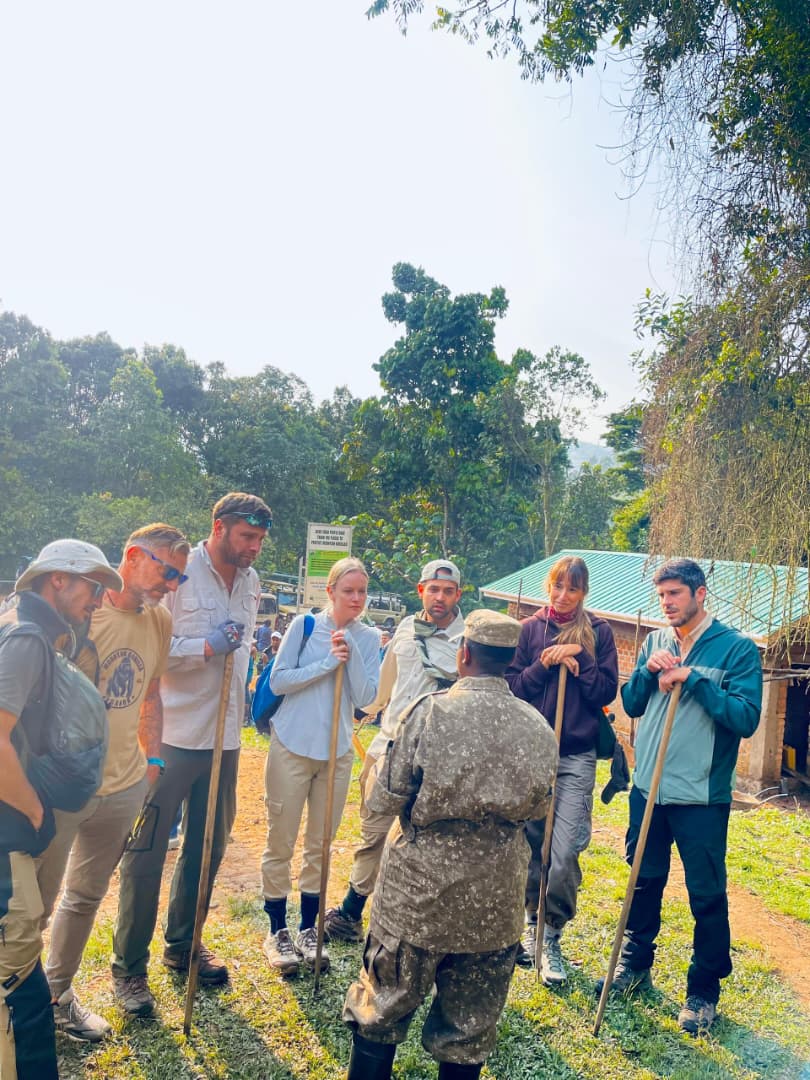
All travelers are encouraged to hire the services of a porter in case they fill unfit or have heavy luggage (cameras, binoculars etc.). Hiking for long distances can make even small bags appear heavy. The porters will also help with climbing difficult sections of the hike by pulling you up or lending a hand when the hike get challenging. Hiking sticks are given free of charge at the beginning of the trek – Take them like gold even if you are fit for you will thank us later. Always follow advice of the Rangers right from the time of briefing, while hiking and also when with the gorillas so that you have a great experience. We hope that by now, you have stopped worrying about your level of fitness and if you can complete the activity.

How to improve your fitness for gorilla trekking?

Regardless of how fit you may consider yourself to be, it is not a good idea to underestimate the importance of being mentally prepared before gorilla trekking. If you doubt your ability to hike for long distance but are relatively in good shape you should do the following to improve on your endurance ahead of your trip for gorilla trekking.

Stretch: Stretching helps improve mobility and may prevent unnecessary injuries to body joints or muscles. Stretching also helps with flexibility and reduces the possibility of waking up with sore muscles.

Do some walking and hiking: Before your gorilla safari, try to prepare your body for long hikes by walking for long distances outside your home, in parks or if possible the nearest forest in your home area. If you leave in a mountainous area which is also forested, that would be a perfect training ground. Start with shorter distance and increase it with time. Ensure that you put on the same hiking gear that you would use while tracking the gorillas so that your body used to their weight. You can also decide to walk from your office up to your home if time and weather permit.  The idea is to prepare your body to deal with long hours of walking.

We can conclude by saying that the level of difficulty of gorilla trekking depends on your overall fitness and the gorilla family you are assigned to on the day of the trek. Even if you were to track the same family on different days, the experience and level of difficulty would be different. It is also important to note that the park Rangers will move at your pace and not let anyone stay back. The Rangers know exactly where the gorilla groups are located by sending an advance team of trackers to find out the exact location of the gorilla families. It is for this reason that the chances of seeing the gorillas are very high. Almost anyone can do gorilla trekking as long as they are not sick or with a transmittable disease. The elderly and physically challenged can also go for gorilla trekking if they let their tour operator know in advance for better planning. All in all, regardless of how long the trek is, you will find the experience memorable and worth all the effort.
Categories
Uncategorized

Mountain Gorillas | Facts & conservation efforts

Mountain Gorillas

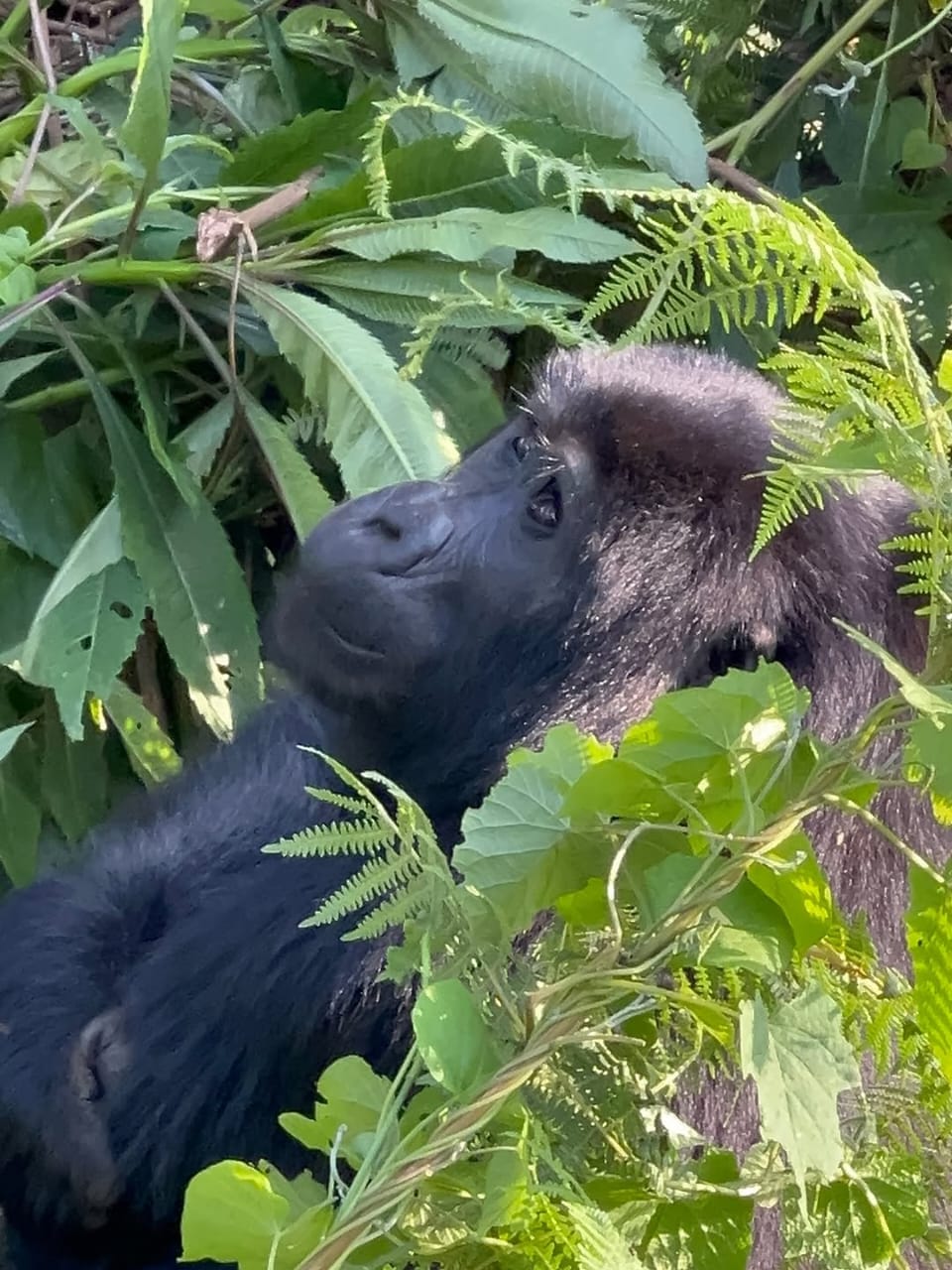
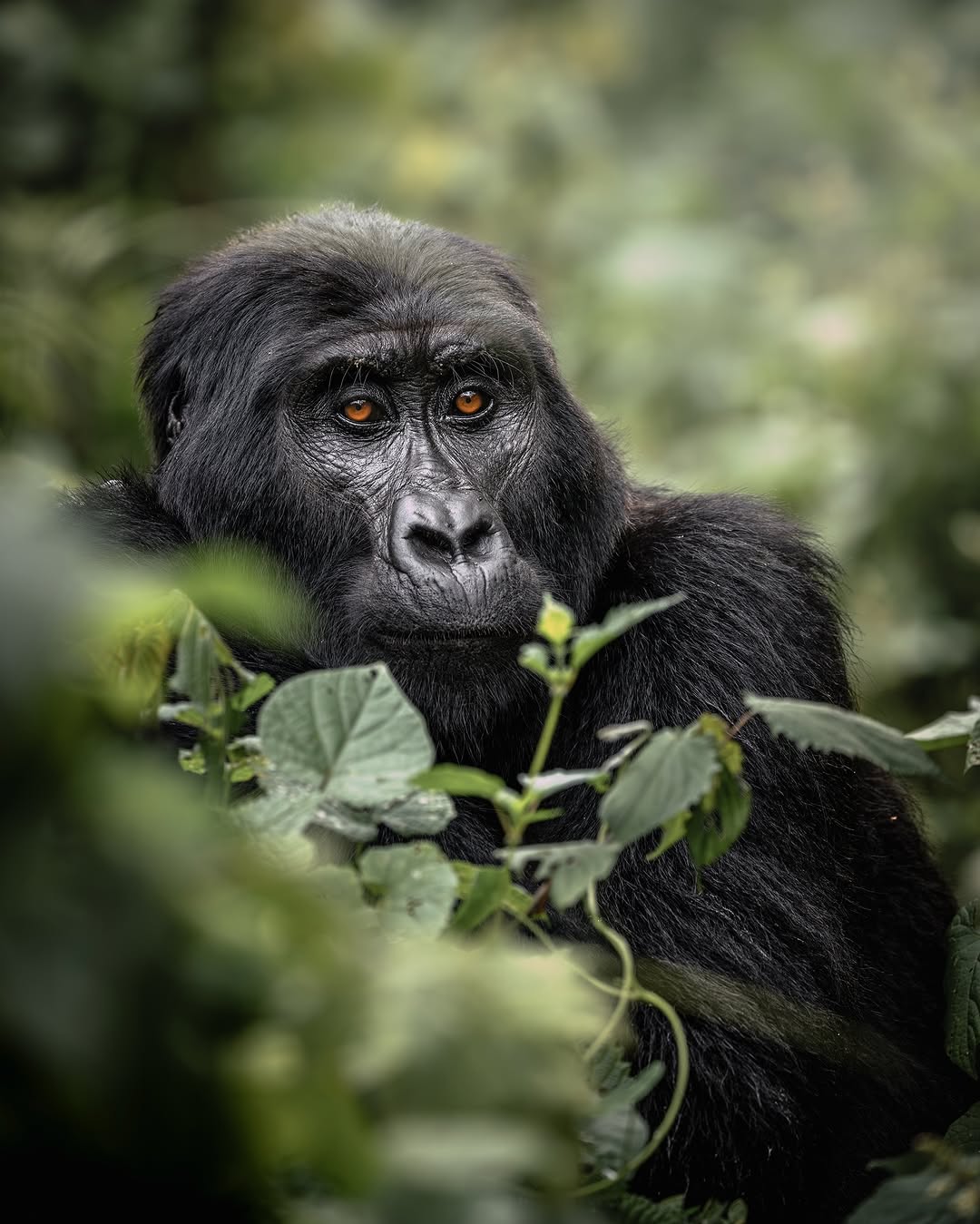
Seeing the mysterious Mountain Gorillas is a dream for many adventurous travelers and saving them is the goal for conservationists. The Mountain Gorilla is one of the great apes together with humans, chimpanzees, bonobo and orangutans. The fact that we are closely related, sharing 98% of our DNA (source), is maybe part of why we find them so fascinating

WHERE DO MOUNTAIN GORILLAS LIVE?

The home of the Mountain Gorillas in the jungle covered mountains shared by Uganda, Rwanda and the Democratic Republic of Congo. They live high in the mountains, between 2500 to 4000 m. These great apes don’t survive well in captivity, so the ones in these jungles are the only ones. All three countries where the mountain gorillas live have set up National Parks to protect their habitat. In Rwanda there is Volcanoes National Park, Uganda has Mgahinga Gorilla National Park & Bwindi Impenetrable National Park and Democratic Republic of Congo has Virunga National Park.

How many Gentle giants are there?

The latest censuses made counted a total of 1063 Mountain Gorillas in the world (source). This number builds on two separate census made in Virunga mountains and Bwindi Impenetrable National Park. Both of these censuses made a few years ago so hopefully there are even more today.

In Virunga mountains the latest census done in 2015/2016 and showed a total of 604 living in the Virunga mountains. These mountains are shared by Uganda, Rwanda and Democratic Republic of Congo. The census before that was done in 2010 and showed that there were 480 living in Virunga Mountains. We can happily note that the numbers are increasing.

For Uganda’s Bwindi Impenetrable National Park the latest census made in 2018. That census showed that the National Park had a total of 459 gentle giants. This was an increase from the latest estimate of 400 in 2011.

As you can see counting the Mountain Gorillas is not something that is done that often. When reading about how the census in Bwindi was conducted you realise it really is a big project. The census in Bwindi included 12 teams of trackers, veterinarians and researchers who took shifts to spend two week periods camping in the forest. They performed the count twice during 2018 to insure reliability of the numbers. You can read more about it here.

To put some perspective on the numbers of Mountain Gorillas in the world today its worth to note that in the late 1970’s there were around 240 of them in Virunga Mountains (numbers for Bwindi Mountains were then unknown). The famous saviour of Mountain Gorillas, Diana Fossey, at the time made the statement that she feared they would be extinct by the year 2000 (source). Luckily that prediction has not turned into reality thanks to serious conservation efforts.

How old does an average Mountain Gorilla get?

Mountain Gorillas commonly become 40-yearsold (source).

What do they eat?

The diet of the gentle giants mainly made up of plants like leaves and steams. Besides that they eat some protein too in the form of for example snails and ants (source).

Read more: WWF’s summary about Mountain Gorillas

Conservation of mountain gorillas

Humanity has brought many species to the edge of extinction, one of them being the mysterious Mountain Gorillas. These great Apes were officially identified by scientists as late as 1902. In the coming century poaching, disease and loss of habitat sadly brought the numbers down to a level that was close to extinction.

The start with Dian Fossey

Between the 1970s and 1990s the situation of the Mountain Gorillas step by step came to the attention of the world. The scientist Dian Fossey and her work played a role in this and many who are interested in Mountain Gorillas have read the book she wrote about her work with them. Dian Fossey spent 18 years living in Rwanda where she studied the Mountain Gorillas.

In the early 1990s the International Gorilla Conservation Program was started by an alliance of international conservation organizations. Their purpose is to work with local authorities for the conservation of the Mountain Gorilla in a sustainable cooperation.

Hands-on conservation work today

Conservation projects aim to save the remaining habitats of the Mountain Gorillas and protect them from poachers. If we take Uganda as an example, UWA (Uganda Wildlife Authority) is working with patrols to catch poachers and stop land encroachment. Another step in the conservation process is to give the locals a chance to earn a sustainable living from the tourism industry.  This is so that they can benefit from saving the habitat of the great apes instead of encroaching on it. Meanwhile, Gorilla trekking gives the locals work opportunities both with UWA as rangers and in the hospitality industry at lodges that have been established in the area to cater for Gorilla trekking tourists.

Gorilla trekking

Gorilla trekking is for many the reason why they chose to travel to our part of world. Visitors come to make the dream of meeting the Mountain Gorillas come true. In all three countries where they live groups have been habituated to humans so that it is possible to go trek them. The habituation is a long process that takes years of the rangers visiting the group every day to make them get used to humans.

During gorilla trekking a group of 8 visitors go together with a specialized guide and rangers into the jungle. They trek through the jungle to the point where the Mountain Gorillas are. The group then get to spend one hour with them. During this time with the Great Apes the visitors see them go about their day as they rest, groom each other and eat. The young once might give an amusing show as they play and the Silverback show off his impressive size.

Read more: Gorilla trekking in Uganda | 3 day gorilla trekking safari | 12 days Wildlife and Rafting in Uganda

Positive results of conservation

Luckily it looks like efforts to save the great apes of the misty mountains came in time and after conservation work the numbers are increasing, as you can see above. In 2018 the Mountain Gorillas were taken off the list of critically endangered animals by IUCN and is now listed as endangered. With increased awareness in the communities around the National Parks the numbers will hopefully continue to increase in the coming years.

Categories
Uncategorized

East African Tourist Visa – Price, Cost and Fees in Rwanda

What is the East African Tourist Visa?

The East African Tourist Visa is a special travel document that allows you to visit three neighboring countries in East Africa Rwanda, Uganda, and Kenya with a single visa instead of applying for three separate visas.

At Bwindi Trails Expeditions, we often operate in Uganda’s forest regions, and many guests may also visit Rwanda. The EATV makes travel simpler and more convenient for such itineraries.

Who is it for & what are the limits?

  • It is for tourism only. You cannot use this visa to work, live permanently, or conduct business. Click here for more
  • You can use it if you are a tourist of any nationality, subject to each country’s entry rules.
  • The visa allows multiple entries within the three countries during its validity.
  • The country that issues the visa must be the first country you enter. For example, if you apply in Rwanda, you must enter Rwanda first.
  • The visa is generally not extendable beyond its validity.
  • Exiting the three-country region may invalidate the visa for re-entry.

Cost & Validity

  • The official fee is USD 100.
  • The visa is valid for 90 days from first entry into the region.

If you plan to travel through Rwanda and Uganda, for example for a forest trek with Bwindi Trails Expeditions, this validity period is usually sufficient.

How to Apply (Step‑by‑Step)

  1. Decide your first country of entry.
    The visa must be issued by the country you will enter first.
  2. Visit the official immigration portal of that country.
    You can usually apply online before your trip, although some countries allow a visa on arrival.
  3. Prepare required documents.
    This typically includes a passport valid for at least 6 months, a passport-sized photo, your travel itinerary or proof of onward/return ticket, and a Yellow Fever vaccination certificate.
  4. Pay the visa fee and submit the application.
  5. Enter the issuing country first and then travel to the other two countries under the same visa, within the 90-day validity.
  6. Keep in mind that if you travel outside the three countries, the visa may no longer be valid for re-entry.

Important Considerations & Tips

  • First country matters. If your itinerary begins in Kenya, you should check current rules carefully, as Kenya’s issuance of the EATV has changed in recent years.
  • Verify current regulations before applying. Immigration rules may change and some nationalities may have different requirements.
  • Avoid scam or unauthorized websites. Use official government portals only.
  • Carry your paperwork at all borders. Have your visa, passport, vaccination certificate, and travel itinerary ready.
  • Plan your itinerary so that you maximize the visa’s usefulness. Traveling within the three countries and within 90 days works best.

Why it might be the Right Choice for You

At Bwindi Trails Expeditions, we often plan trips that include Uganda’s famous forests and visits to Rwanda. The EATV lets you deal with one visa, one set of documents, and one fee, rather than applying separately for each country.

If your trip involves crossing the Uganda-Rwanda border, taking forest treks, and continuing to Rwanda’s attractions, this visa is ideal.

Final Word from Bwindi Trails Expeditions

If you’re planning a trip in East Africa that combines Uganda and Rwanda, and perhaps a stop in Kenya, the East African Tourist Visa is a convenient choice. It simplifies paperwork, reduces stress, and allows you to focus on the adventure, the forests, wildlife, culture, and natural beauty which we at Bwindi Trails Expeditions are excited to show you.

Before you travel:

  • Check the latest visa rules for each country.
  • Make sure your first country of entry aligns with the visa issuance.
  • Apply in advance if possible.
  • Ensure your travel itinerary matches the visa’s coverage (within Rwanda, Uganda, and Kenya and within 90 days).

Categories
Uncategorized

What is the age Limit for Gorilla Trekking in Uganda?

Gorilla trekking is a very popular wildlife activity that can only be done in Africa. Mountain gorilla trekking is even more popular and is only possible in the Democratic Republic of Congo, Uganda and Rwanda. As more and more people get to know about the activity, the number of travelers heading to the three countries increases each year, so that much that gorilla permits may be extremely difficult to get during certain months of the year. Those who are planning for a gorilla safari often wonder if there is an age limit for gorilla trekking especially when intending to travel with kids on safari.

Minimum Age for gorilla trekking in Uganda, Rwanda and Congo

The age limit for gorilla trekking is 15 years in all three countries but there can be exceptions in Uganda as you will find out shortly. The age limit for gorilla trekking is set by the different government authorities responsible for managing the national parks. In Uganda, it is the Uganda Wildlife Authority while in Rwanda, it is the Rwanda Development Board. You might also be interested in the age limit for chimpanzee trekking in Rwanda and Uganda.

Why age limit of gorilla trekking is set at 15

The age limit for gorilla trekking is set at 15 because younger travelers are considered to be children who may not be able to deal with any negative reactions from gorillas. Gorillas are very calm and gentile creatures but they can become aggressive when they feel threatened or misinterpret the actions of trackers. Children may not stay calm or lay low when a mighty silverback approaches them or appears what is the age limit for gorilla trekking? Aggressive. Screaming or running away could force the gorilla to run after the youngster. The only way to contain an aggressive or charging gorilla is to act submissive and lay low. Mature travelers are better at controlling their emotions in the event that a gorilla charges.

Secondly, mature travelers are less likely to get carried away. They are more likely to follow the gorilla trekking rules and instructions of the park rangers than younger trekkers. The gorilla trekking rules include not littering the park, keeping a distance of at least 7 meters from the nearest gorilla and not mocking or making fun of the gorillas.

Thirdly, youngsters may not be mentally ready for the activity. By the time an adult decides to go for gorilla trekking, they know what they are getting into. Children tend to go for safaris only to accompany their parents. They may not be as excited about the trip as their parents. Completing gorilla trekking requires determination especially if it involves following a gorilla group that is far away from the starting point.

Very young children may not be fit enough to complete gorilla trekking. They could slow down the tracking party or request to get back to camp because they feel tired or bored. Mgahinga National Park in Uganda and the Volcanoes National Park in Rwanda are found in areas of high altitude. Finding the gorilla group may involve hiking up mountainous and steep areas with prolonged exposure to sunlight. Children may struggle with these kinds of conditions and fail to complete the activity. Older hikers tend to be fitter and possess the kind of endurance and determination required to complete the activity.

Last but not least, very young children tend to get easily infected with communicable diseases like cough and flu (running noses). Mountain gorillas are very prone to human diseases. If they get infected with a flu, the results can be deadly.

It is because of the above reasons that the national parks under the guidance of primate researchers set the minimum age for gorilla trekking to 15 years.

Circumstances under which children may be allowed to track gorillas

After reading the information in the previous chapters, you might be disappointed that you cannot go tracking gorillas with your son or daughter whom you believe is mature enough but not yet 15. Do not despair because an exception can be made for a 14-year-old child who is making 15 in the year of trekking. This exception is only possible in Uganda’s Bwindi Impenetrable National Park. The child must be physically fit and mature enough. Bwindi Impenetrable forest is less steep compared to Mgahinga and the Volcanoes National Park in Rwanda. Bwindi also has more forest cover which help shield trackers from the sun.

In order to qualify for this exception, parents may be required to provide pictures of the child to the Uganda Wildlife Authority with information about their physical fitness and maturity. The child must be about to make 15 years (14 years). To prove that the child is 14 and approaching 15, a passport copy will be required as well as current photos.

Age for gorilla trekking, child below 15 years of age may also be allowed to do gorilla trekking if they are accompanied by parents. The Uganda Wildlife Authority will require that the parent signs a consent/indemnity form to protect the organization from responsibility in case of any mishap during gorilla trekking. The Park Warden will ensure that the child is an allocated a gorilla group which is closest to the starting point. As a parent, you can make everything smooth for the child by hiring extra porters to carry them in Sedan chair whenever they get tired. Porters and Sedan chairs are also recommended for elderly trackers. If you are planning to do gorilla trekking with a child who is mature and physically fit but is less than 15 years of age, contact us at info@bwinditrailsexpeditions.com

What to do if your child is too young for gorilla trekking

You can still travel with children who are too young (13 years and below) to take part in gorilla trekking. There are lots of interesting activities that they can take part in while you go out to search for the gorillas. Hotel staff can stay with them in the hotel and keep them engaged with games and children’s movies. They can also be taken for nature walks, cultural visit or touring nearly local schools. You can also reschedule your trip so that you come when the children are of age.

Additional Information about eligibility for gorilla trekking

Note: Anyone above 15 years can track mountain gorillas. There is no maximum age limit for gorilla trekking. You might want to read about gorilla trekking for seniors.

Note: The Wildlife Authorities in the three countries will require that you send a copy of your passport before issuing out the gorilla permit. Even if you manage to get a gorilla permit without the passport, you will still be required to show it at the briefing point for gorilla trekking. The passport helps the park authorities know if you are eligible to take part in the activity.

Categories
Uncategorized

Uganda Cultural Safaris: More Than Wildlife, It’s a People’s Story

When planning a Uganda safari, you don’t have to choose between game drives and cultural immersion: you can have both a Uganda cultural & wildlife safari! Uganda’s strength lies in its diversity. Not only in landscapes and wildlife, but also in people. With Bwindi Trails Expeditions, you’ll discover not just lions and Gorillas, but also the traditions, languages, and rhythms of everyday Ugandan life.

Whether you’re visiting the Batwa communities near Bwindi, learning from the Karamojong in the north, or enjoying a spontaneous village stopover, community tourism adds a human heartbeat to your safari adventure.

Below we will dive into community and culture encounters possible during a Uganda safari. For more information on wildlife options take a look at our Uganda travel guide or Guide to Gorilla trekking in Uganda.

Uganda’s Cultural Diversity: Meet the People beyond the Parks

Uganda is home to more than 50 tribes and over 30 languages, creating a living mosaic of cultures that enrich every traveler’s journey.

The Baganda – The cultural heart of central Uganda

In the capital Kampala, explore the traditions of the Baganda people, Uganda’s largest tribe. A city tour can include stops at the Kasubi Tombs, the Buganda Parliament, and local craft markets where you’ll hear Luganda and see the artistry of bark cloth and woven baskets.

The Karamojong-Nomadic Worriers of the North.

In Uganda’s northeast, the Karamojong maintain a cattle-based lifestyle steeped in tradition. Visiting a Karamojong village near Kidepo Valley National Park offers a powerful, respectful encounter with one of Uganda’s most resilient cultures. Expect dramatic landscapes, intricate beadwork, and powerful storytelling.

The Batwa-Indigenous Forest Dwellers of the South West.

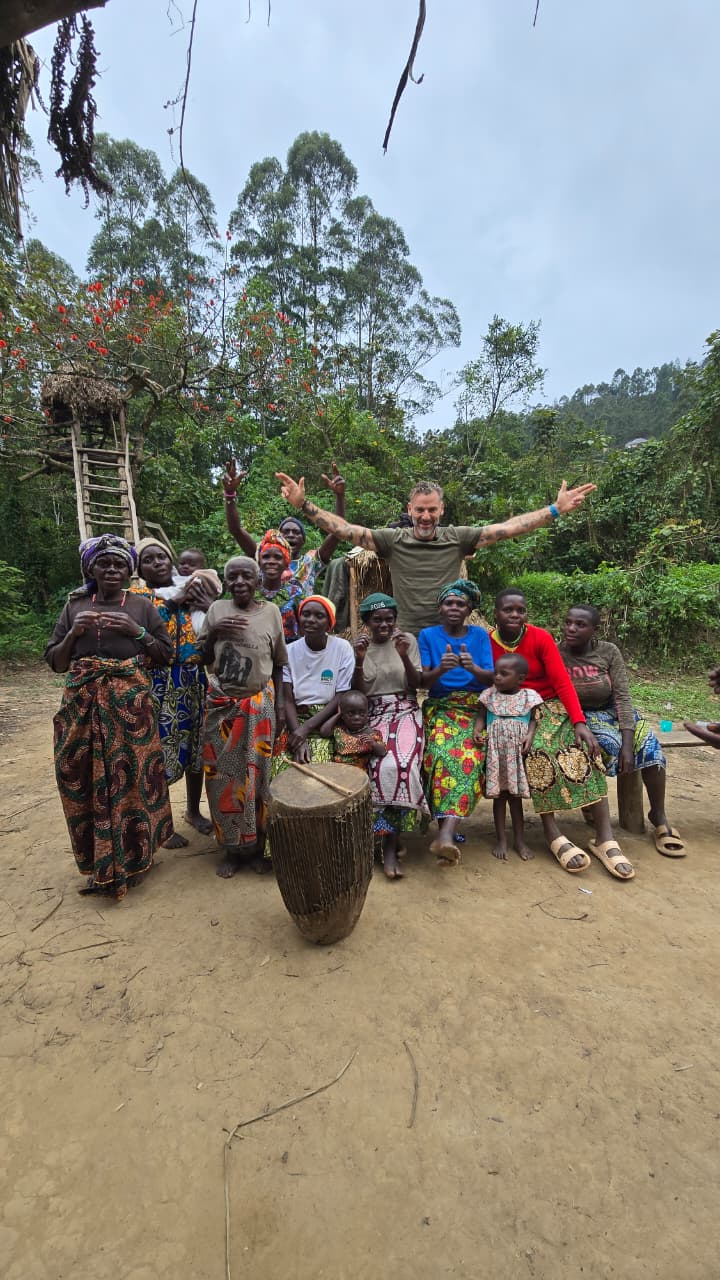
The Batwa were the original inhabitants of Uganda’s southwestern forests. Today, guided cultural walks near Bwindi and Mgahinga give voice to their traditions. Taking you from medicinal plant use and hunting techniques to music and dance. These experiences help preserve Batwa heritage while offering guests a deep, respectful connection.

Cultural Encounters to include in your Uganda Safari

Bwindi Trails Adventures builds in meaningful community experiences that go beyond sightseeing. We like to say that we take you on a journey through Uganda. Not just from National Park to National Park ticking of animal sightings.

Village Walks to Connect with the Community.

Including a village walk in your safari adds depth and understanding for countryside life in Uganda. We offer interesting guided walks in communities by Queen Elizabeth National Park as well as Entebbe. Let’s take the popular walk in Kyambura village. This community walk takes visitors to a cacao and vanilla farmer we support, to learn about his fascinating crops. It then continues on through the village next to fields of matoke (food banana) as well as other food crops and on to a beautiful view point with twin crater lakes.

Taste Uganda: Discover Local Flavors on Safari.

Ugandan culture is also found on the plate and sharing a local meal is one of the warmest welcomes you can receive. Along your journey, Bwindi Trails Expeditions can include stops for authentic Ugandan food, whether it’s a sit-down lunch at a local restaurant or a quick roadside snack.

What to Try:

  • Matoke – Uganda’s staple: green bananas steamed in banana leaves, often served with a hearty sauce.
  • G-nut sauce – A rich groundnut (peanut) sauce that’s a favorite across many regions.
  • Luwombo – A traditional stew of chicken, beef, or groundnuts slow-cooked in banana leaves.
  • Gonja – Ripe plantain, grilled to caramelized perfection—perfect for a roadside snack.
  • Muchomo – Uganda’s take on grilled meat, often skewered and served with spicy pepper sauce.
  • Fresh fruits – Pineapple, mango, jackfruit, and passionfruit are just a few of the tropical treats often sold along the roadside or served at lodges. They’re seasonal, sun-sweetened, and incredibly tasty.

These food stops are more than meals. They’re cultural experiences. You’ll see how locals eat, what ingredients are used, and maybe even join a kitchen team at a lodge to learn how it’s prepared.

Market Visits along the Way.

Unscripted stops in local markets or villages add authenticity to your trip. These moments sharing a laugh with a farmer, tasting roasted bananas roadside, or watching crafts being made are often the most memorable.

Cultural Dance Performance.

While charming cultural dances can be arranged in villages and lodges across the country, the Ndere Cultural Centre in Kampala offers the most impressive and professional showcase. Their acclaimed troupe performs a few times a week so the dates of the safari needs to be planned around it (typically Wednesdays, Fridays and Sundays).  With this performance you are taken on a journey through Uganda’s many ethnic groups. Each with its own rhythm, instruments and dance style.

Support Conservation &Culture: Batwa.

At Bwindi Trails Expeditions, we believe that true conservation begins with community. The Batwa people, Indigenous forest dwellers and original guardians of the Bwindi Impenetrable Forest hold generations of wisdom about living in harmony with nature.

We are proud to support the Batwa community through initiatives that promote cultural preservation, sustainable livelihoods, and education. By partnering with the Batwa, we aim to ensure their traditions and knowledge continue to inspire conservation efforts in Uganda and beyond.

When you travel with Bwindi Trails Expeditions, you’re not just exploring breathtaking landscapes, you’re helping preserve a vibrant culture and protect the forests that sustain us all.

Why Choose A Cultural Wildlife Safari In Uganda?

Combining culture and wildlife offers a richer, more meaningful experience. Here’s what it adds to your safari:

  • Wildlife + People: See Uganda’s iconic species and meet those who live beside them.
  • Local Impact: Your travel supports jobs, preservation of traditions and conservation.
  • Authentic Encounters: Go beyond surface tourism to engage with real Ugandan life.
  • Deeper Connection: Return home with more than photos. Carry stories and the feeling that you have experienced Uganda.

Plan Your Cultural Uganda Safari with Bwindi Trails Expeditions.

At Bwindi Trails Expeditions, we specialize in tailor-made journeys so with us you can connect wildlife with culture. Whether you want to focus on local communities, mix in adventure, or go off the beaten path. we’ll help create Your Safari, Your Way.

Categories
Uncategorized

Minimum Age for Chimp Trekking: Rwanda & Uganda

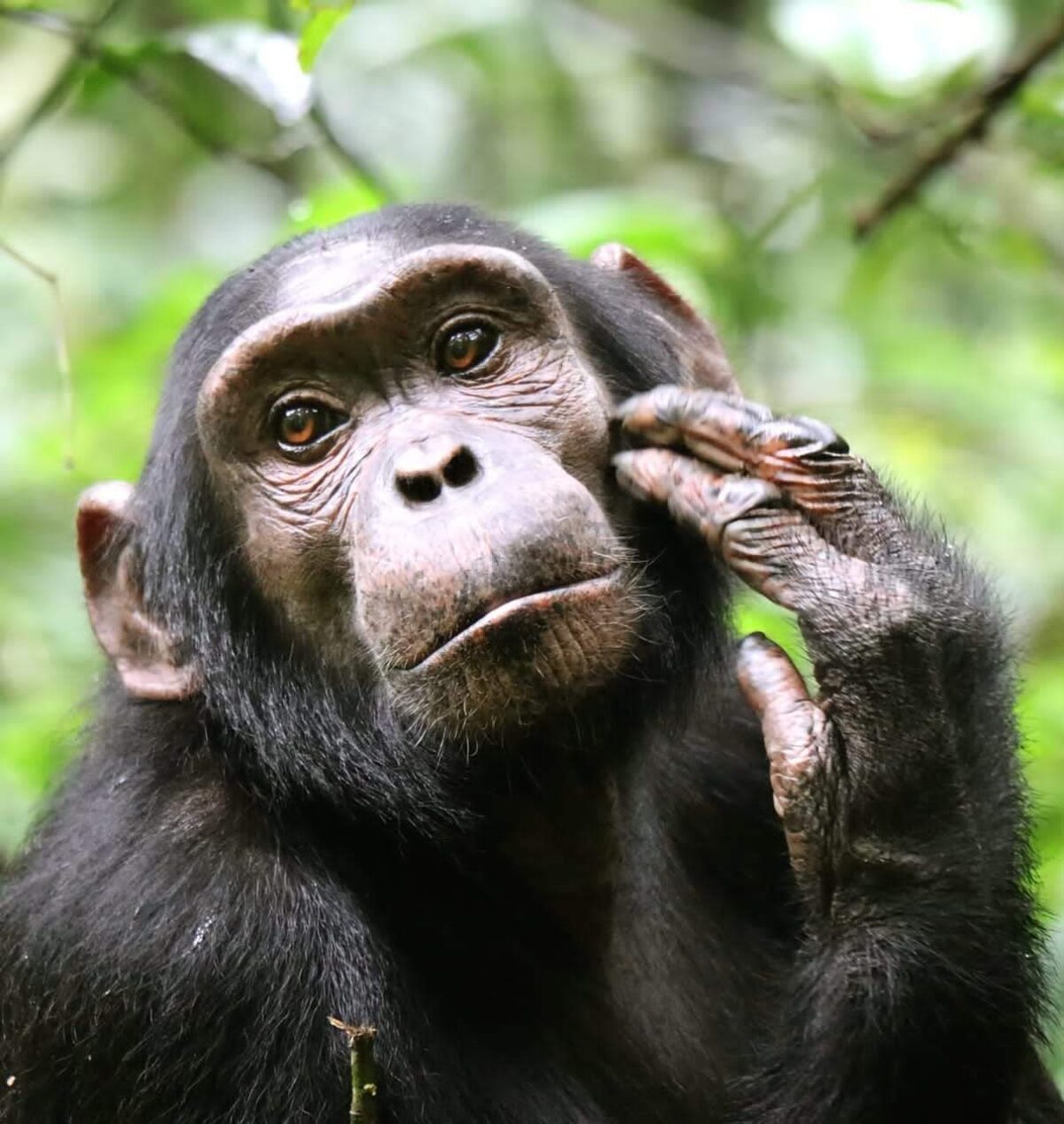
Chimpanzee Trekking is one of the most sought after wildlife activities after the mountain gorillas in both Uganda and Rwanda. Just like gorillas, Chimpanzees have been declared an endangered species by the International Union for Conservation of Nature (IUCN). There are not so many of them left in the wild and hence the need to double efforts for their conservation. Chimpanzees are more closely related to humans than even gorillas and that is why they are popular with tourists. They live in communities led by one or several dominant individuals. Chimps are very intelligent primates with the ability to use various tools and even show emotion.

Age limit for Chimpanzee Trekking in Uganda Chimpanzee Trekking can be done at Kibale forest national park, Kyambura Gorge in Queen Elizabeth national park, Kalinzu forest close to Kibale and the Budongo forest at the Murchison falls national park. Chimps can also be sighted in Semuliki National Park, Ngamba Island Chimpanzee Sanctuary and Entebbe Wildlife Education Center. In Rwanda, Chimpanzees can be seen in Nyungwe National Park and Gishwati-Mukura National Park.

Whereas Nyungwe National Park is the Number one destination for Chimpanzee Trekking in Rwanda, Kibale forest national park is the best destination for chimpanzee trekking in the world. Kibale has a total population of about 1500 individual chimps. Kibale national park is so vast that it spreads to the districts of Kamwenge, Kyenjojo, Kabarole and Kyegegwa. The Kibale forest national park is also home to several other wildlife like reptiles, mammals, a variety of birds and 12 other types of monkeys. To get to the Kibale forest national park, a traveler can choose to go by road or by air. It takes about 4 to 5 hours to drive to the park from either Kampala or Entebbe. The interesting thing about the road drive is that you will have the opportunity to view the beautiful landscape along the way. Traveling by air is also possible as there are daily domestic flights offered by companies such as Aerolink Uganda and Bar Aviation. With these one can decide to take on either a chattered or a scheduled flight to Kasese airstrip and then connect to the Kibale national park by road which is just about a 2-hour drive.

Age Limit for Chimpanzee Trekking – Permits

Parents traveling with children on safari often wonder if their children can track primates like chimpanzee. For one to see chimps, he or she is required to have obtained a permit ahead of the actual day of the trek since the permits are usually on very high demand. Both Chimpanzee Trekking and Habituation permits are not very costly like that of gorilla trekking. The permits are sold Minimum age for Chimpanzee Trekkingby the Ugandan Wildlife Authority or the Rwanda Development Board in Rwanda. A chimpanzee Permit costs 100 US Dollars in Nyungwe National Park of Rwanda but one has to also part with 100 US Dollars as park entrance fees. In Kibale, Chimpanzee Permits go for 250 US dollars and the Chimpanzee Habituation Permit costs $300. Foreign residents pay $150 for Chimpanzee permits in Kibale while East African residents pay 150,000 Uganda Shillings. These permit prices are inclusive of both entrance and guiding fees. The permit allows you to view and stay with the chimpanzees for one hour. The Chimpanzee Habituation Permits allows you to spend 4 hours with the Chimps as you observe the primates go about their daily lives. Chimpanzee Trekking in Kibale forest national park is done in three sessions. The first starts early morning at 8am, the second session starts at midday and the last session starts at 2pm.

Chimpanzee Permits in Budongo forests cost $130. Permits in Kyambura Gorge and Kalinzu forest cost $100 per person. These trekking sessions always start with pre-briefing at the park headquarters by the The minimum age for Chimpanzee Trekking in Rwanda park Guides and game rangers who take you through the process of the trek, the rules and regulations to be followed during the trekking. This follows the grouping of trekkers into small groups each headed by a Guide. The trekking usually takes between 30 minutes to several hours of searching. The duration of the activity depends on the movement of the primates around the dense forests. When you finally locate them, you get the opportunity to spend some time with them while also observing how they play, eat, communicate and care for their young ones. Chimpanzee trekking is a lot more exciting than gorilla trekking. Why? Because there is a lot of drama in chimp communities. Chimps are very loud and you seem to feel that the dominant male doesn’t have full control like a Silverback gorilla.

Minimum Age for Chimpanzee Trekking

Can a child take part in the chimpanzee trekking? What is the age limit for Chimpanzee Trekking? Well, according to the Uganda wildlife authority regulations and policies, the minimum age for chimpanzee Age limit for Chimpanzee Trekking is 12 years. This means that any child below the age of 12 is considered a minor and hence prohibited from taking part in the trekking activities. The minimum age for chimpanzee Trekking in Rwanda is 15 years. The reason behind these age limits is that kids are very playful and can easily deviate from the chimpanzee trails and so could get lost in the forest. Kids are also not strict followers of rules and regulations. They can do something that could cause the primates to charge at them. The trekking activities are also very tedious and so kids could get tired very quickly even before locating a chimpanzee family. You can also read about the age limit for gorilla trekking.

Despite the fact that young children aren’t allowed to go chimpanzee trekking, the Kibale forest national park has got several other tailor-made activities to keep them engaged while their parents are out the minimum age for Chimpanzee Trekking. These activities include nature walks, birding, photography, lessons on forest surviving skills and visiting the neighboring indigenous communities to experience their culture and heritage.

In conclusion, chimpanzee trekking can be done by adults and children above 12 years of age in Uganda and 15 years in Rwanda. Travelers with trekking challenges do not need to worry as they can be assisted by porters who are found at the briefing points. These porters can also help trekkers to carry their backpack to help relieve them from the additional weight during the treks.

Categories
Uncategorized

The Big5 in Uganda.

Discover the Big Five in Uganda – The Pearl of Africa

Uganda, known as the Pearl of Africa, is a true paradise for nature and wildlife lovers. From lush green savannas to misty mountains and sparkling lakes, the country offers a perfect mix of adventure and beauty. One of the biggest highlights of any safari in Uganda is the chance to see the famous Big Five animals, the Lion, Leopard, Elephant, Buffalo, and Rhinoceros.

These animals were originally called the Big Five because they were considered the most difficult and dangerous animals to hunt on foot. Today, however, they are celebrated as icons of wildlife conservation and a must-see for anyone visiting Uganda.

Let’s take a closer look at each of these magnificent creatures and where you can find them.

1. The African Lion – King of the Savannah

The African lion is the symbol of strength, courage, and pride. In Uganda, you can find lions lounging under acacia trees or stalking their prey in the golden grasslands.
One of the most special experiences is seeing the tree-climbing lions in Queen Elizabeth National Park, one of the few places in the world where lions actually climb trees! You can also spot them in Murchison Falls National Park and Kidepo Valley National Park, often seen in groups known as prides.

2. The Leopard – The Silent Hunter

Leopards are shy, solitary, and incredibly beautiful. They are known for their stunning spotted coats and their ability to climb trees with ease.
In Uganda, your best chance to see a leopard is during a night game drive in Queen Elizabeth or Murchison Falls National Park, where they are often spotted resting on tree branches or quietly watching for prey. Patience is key, but the reward of seeing one is unforgettable!

3. The African Elephant – The Gentle Giant

The African elephant is the largest land animal on Earth and a true symbol of wisdom and power. Watching these majestic giants roam freely in Uganda’s national parks is an experience like no other.
You can see large elephant herds in Queen Elizabeth, Murchison Falls, and Kidepo Valley National Parks. They are often seen bathing in rivers or slowly moving across the savanna in family groups led by a matriarch.

4. The African Buffalo – The Strong Survivor

The African buffalo may not look as fierce as a lion, but it’s one of the most unpredictable animals in the wild. They usually move in large herds and are known for their strength and loyalty to each other.
Buffalos are found in nearly all of Uganda’s major national parks, especially Queen Elizabeth and Murchison Falls. Seeing a big herd crossing the plains or cooling off in a muddy waterhole is a truly African experience.

5. The Rhinoceros – The Rare Treasure

Uganda’s rhinos are the rarest of the Big Five. Sadly, they disappeared from the wild in the 1980s due to poaching, but today, thanks to strong conservation efforts, they are making a comeback!
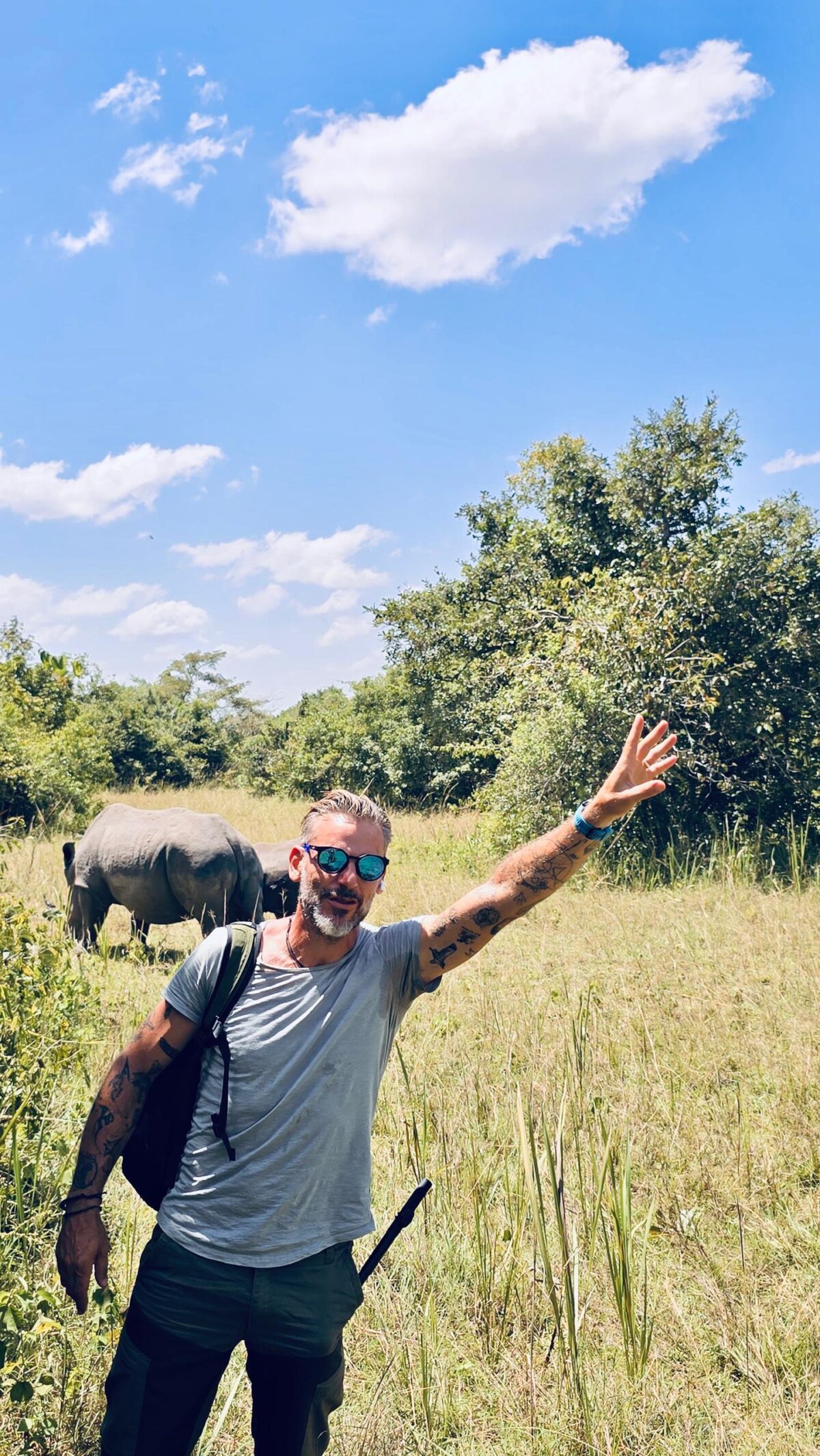
You can visit Ziwa Rhino Sanctuary, located between Kampala and Murchison Falls, to see white rhinos up close. Guided walking safaris let you observe these peaceful giants in their natural environment while learning about ongoing efforts to reintroduce them into Uganda’s national parks.

Where to See the Big Five in Uganda

Here are the top destinations for spotting all five:

  • Murchison Falls National Park – Home to four of the Big Five (lion, leopard, buffalo, elephant) and close to Ziwa Rhino Sanctuary for rhinos.
  • Queen Elizabeth National Park – Famous for tree-climbing lions, large elephant herds, and stunning scenery.
  • Kidepo Valley National Park – Remote and wild, offering excellent chances to see lions, leopards, elephants, and buffaloes with fewer tourists.
  • Ziwa Rhino Sanctuary – The only place in Uganda where you can track rhinos on foot.

Experience Uganda’s Wild Heart

A safari in Uganda is not just about ticking off the Big Five — it’s about connecting with nature, supporting conservation, and experiencing the raw beauty of Africa. Whether you’re watching lions at sunset, elephants at the river, or rhinos grazing peacefully, every moment will leave a mark on your heart.

So, pack your bags, charge your camera, and get ready to explore the Big Five of Uganda where adventure meets the wild!

Travel Tips:

  • Best time to visit: June to September and December to February (dry seasons for easier game viewing).
  • Bring: Binoculars, a good camera, sunscreen, and insect repellent.
  • Always: Respect wildlife and follow your guide’s instructions.

Categories
Uncategorized

Is Uganda Good For African Safari?

Is Uganda Good For African Safari? Uganda is located in the eastern part of Africa and is one of the most visited countries due to its so many attractions. There are a lot of attractions in Uganda and these include mountains, lakes, rivers, mammals, primates, and birds. The main reason why so many tourists love Uganda’s safaris is that Uganda has two national parks which are home to the endangered mountain gorillas that share 98%human DNA with human beings. These apes live in Bwindi impenetrable forest national park and Mgahinga Gorilla Park both located in southwestern Uganda.

The other reason Uganda would have a good safari is the classic game drives that happen in the best national parks namely Queen Elizabeth national park, Kidepo valley national park, Murchison falls national park and Lake Mburo national park. During these game drives, you see a lot of mammals, primates as well as birds. Uganda has the best boat cruises done in Murchison falls national park to the bottom of the falls, boat cruise on Kazinga channel, and Lake Mburo.

Classic safari game drives in Uganda.

Classic safari game drives in Uganda.

Uganda has 10 national parks but 4 of these offer the best game drive experiences. The national parks where game drives are enjoyed in Uganda are Queen Elizabeth national park, Kidepo valley national park, Murchison falls national park, and Lake Mburo national park.

The best classic game drive on a Uganda safari can happen at three destinations and these are the famous Murchison falls national park, Kidepo valley national park in the rugged remote areas of the north as well as Queen Elizabeth national park famous for tree-climbing lions. The above destinations are good for game viewing safaris as well as the smaller Lake Mburo national park which you can visit to or from Queen Elizabeth national park, Bwindi impenetrable forest national park, and Mgahinga Gorilla Park.

Safari in Queen Elizabeth national park

A safari to queen Elizabeth national park takes you to western Uganda to the most visited national park as well as the second-largest park in the country. One of the top reasons why people visit Queen Elizabeth national park is because of the rare tree-climbing lions that are found nowhere in the world but in this park as well as Lake Manyara national park of Tanzania.

Queen Elizabeth national park has gained an outstanding global reputation for having the biggest number of tree climbing lions that find their home in the Ishasha sector of the park. The lions are better seen during the afternoon hours when they are resting on branches of big fig trees.

During the early morning or late evening hours, you can head out to Kasenyi plains for a fantastic game drive where you see a number of animals. Just like other national parks during these hours the animals will be easy to spot. The animals that can be seen in queen Elizabeth national park include lions, elephants, topis, buffaloes, hyenas, leopards, waterbucks, bushbucks, warthogs, giant forest hogs, banded mongoose, hippos, vervet monkeys, olive baboons as well as black and white colobus monkeys.

There are also chimpanzees in Queen Elizabeth national park in Kyambura gorge.

Safaris in Queen Elizabeth national park can also contain a boat cruise which is done on the Kazinga channel. Kazinga channel is the biggest channel in the world and connects Lake George to Lake Albert. The boat cruise on the Kazinga channel is done on a daily basis unless when the weather conditions don’t allow it. They go for about 2-4 hours with opportunities of seeing hippos, crocodiles, fish, and different aquatic bird species such as yellow-billed stork, great and long-tailed cormorants, African skimmer, splendid pied kingfisher, and open billed stork among others.  During the dry session, a lot of park animals are at the water sources drinking water.

Another activity that can be done on a safari to Queen Elizabeth national park is bird watching. The Park is home to more than 600 bird species which makes the park one of the best birding spots in Uganda. There are different birding spots in the park such as Kazinga channel, Mweya peninsula, Kasenyi area, Ishasha sector, Katwe area, Kasenyi area, and Maramagambo forest to mention but a few. Some of the bird species in Queen Elizabeth national park include African jacana, rare saddle-billed stork, grey crowned crane, rare shoebill stork, papyrus gonolek, papyrus canary, lesser and greater flamingo, bar-tailed godwit, pink-backed pelican, martial eagle, corn lake, white-winged warbler, African mustached warbler, barbets, black crake, hooded vulture, black belied bustard, white-tailed lark, grey kestrel, and swamp nightjar.

Chimpanzee trekking can also be done in Kyambura gorge and this begins with a briefing after which trekkers are grouped and a ranger guide leads them into the jungle. After locating the chimpanzees, trekkers are given a maximum of one hour to be around chimpanzees and this helps them to learn more about their habitats. The other activity that is done in queen Elizabeth national park is lion tracking and this is done in the Kasenyi plains located on the northern side of the park.

Located in the northwestern part of Uganda, Murchison falls national park is the largest savannah park in Uganda one can go for a safari. The Park is a home of 76 mammal species and 451 bird species as well as Murchison falls which happen to be the strongest in the world. There are so many activities that can be done on a safari in Murchison falls national park and these include game drives, birding, sport fishing, hiking to the top of the falls, boat cruises, chimpanzee trekking in Budongo forest and nature walks.

The boat cruise in Murchison falls national park is the best activity in the parka and this is done on Victoria Nile. The boat cruise is done in two sessions with one done in the morning and the other in the evening. The boat cruise lasts for 2-3 hours with opportunities of seeing water animals such as crocodiles, hippos, elephants, antelopes, giraffes, and water birds such as shoebills, giant kingfishers, long-toed plover, black-headed lapwing, and veracious dove among others. The boat cruise in Murchison falls national park takes you to the bottom of the falls where you get to see water passing through a narrow gorge making different sounds. At the bottom of the falls is also a link to the top of the falls. The boat cruise gives you an opportunity to take clear pictures of the waterfalls, water animals, and the animals on the shores of the river.

There are game drives in Murchison falls national park and these expose you to park animals and bird species. the game drives in the park take you through different tracks with opportunities of seeing animals such as lions, elephants, buffaloes, leopards, oribis, Uganda kobs, bushbucks, waterbucks, warthogs, hyenas, olive baboons, hartebeests, giraffes, hippos, oribis, and duikers among others.

Another activity commonly done in Murchison fall national park is birding because the park is one of the best birding places with over 451 bird species that have been so far recorded in the park. There are different birding spots where one can get an opportunity of seeing birds such as African emerald cuckoo, African fin foot, black coucal, red-throated wryneck, yellow bill, blue shouldered robin cat, grey crested crane, sulphur breasted bush shrike, African warbler, barbets, white-winged warbler, brown illadopsis, black bishop, white-winged tern, white-breasted nigro-finch, chestnut wattle eye, yellow wagtail, African jacana, sacred ibis, black crake, and grey crowned crane among others.

Kidepo valley national park in the north of Uganda could be the less visited national park in the country because it is located in rugged remote areas. The government is working hard to make it one of the most visited national parks in the country by constructing better roads to the park as well as better accommodation facilities. Kidepo valley national park has the highest number of lions in the country and the population is increasing compared to Queen Elizabeth national park and Murchison falls national park.

There are so many activities that can be done in Kidepo valley national park among which include game drives where you have an opportunity to see over 85 mammals of which 28 are found nowhere else in Uganda. The animals likely to be seen on a game drive in Kidepo include zebras, lions, Uganda kobs, hippos, bat-eared foxes, elephants, waterbucks, wild dogs, leopards, elands, klipspringer, Jackson’s hartebeest, cheetahs, mountain reedbuck, buffaloes, oribis, dik-dik, caracal, kudus, kongoni, patas monkeys, and bush babies.

Birding is also another activity one could do on a safari to Kidepo valley national park. The park is a home of 450 bird species that have been so far recorded in the park. The ostrich is the famous and common bird in the park but there are other bird species that are likely to be seen on a safari such as Kori bustard, dark chanting goshawk, red-winged pytilia, Jackson’s hornbill, Ethiopian swallow, Abyssinian scimitar bill, rufous chatterer, rufous chatter, chestnut weaver, black-breasted barbet, black coucal, golden pipit, greater kestrel, red-throated bee-eater, pygmy falcon, rose-ringed parakeet, steel-blue whydah, golden kestrel, Karamoja Apalis, pygmy falcon, northern carmine bee-eater, white-bellied go-away bird, Abyssinian roller, fox kestrel, D’Arnaud’s barbet, scarlet chested sunbird, and little bee-eater among others.

Kidepo valley national park offers the best cultural encounters in Uganda. There are two tribes living around Kidepo valley national park and these are the IK and the Masai. These people are mainly cattle keepers and the more cows a person has the more he is respected. When you visit these people, you get to learn their way of dressing, taste local foods, enjoy traditional dances and much more.

Lake Mburo national park is Uganda’s smallest national park located on Masaka Mbarara road. the park covers an area of 260 sq. km and has 5 small lakes with Lake Mburo being the largest. Because the park is small travelers can view wildlife on foot. There are so many activities in Lake Mburo national park among which include game viewing where you get to see some of the park animals such as zebras, topis, buffaloes, waterbucks, impalas, duikers, hippos, and warthogs among others.

There are boat cruises in the park done on Lake Mburo. The boat cruise on Lake Mburo exposes you to crocodiles, hippos, water birds, and other park animals on the shores of the lake drinking water. The boat cruise is done in 2 sessions one in the morning and the other in the evening. There is horse riding in the back and this can only be done by tourists who sleep in Mihingo Lodge. Horseback riding gives you opportunities of exploring the park animals, birds, and vegetation.

Birding is also another activity done in lake Mburo national park. The park is a home of over 360 bird species and this gives you an opportunity of seeing birds such as Tabora cisticola, great snipe, rare shoebill stork, African fish eagle, saddle-billed stork, African finfoot, papyrus yellow warbler, African-wattled lapwing, yellow-rumped tinkerbird, emerald spotted wood, African finfoot, jacana, white-winged tit, bare-faced go-away-bird, black papyrus gonolek, grey crowned crane, striated swallow, and Abyssinian ground hornbill among others.

What consists of a good safari in Uganda?

A good safari in Uganda consists of a good comfortable safari vehicle which would give you the best views during the game drives, a good safari driver-guide who knows how to communicate clearly and one who is well trained with experience, good accommodation facilities which can give you the best sleep and good tourism activities. About activities a good safari would be having primate watching let’s say chimpanzee trekking or gorilla trekking, a boat cruise on Lake Mburo, Kazinga channel, or Albert Nile in Murchison falls national park and a game drive in the 4 best national parks with game drives.

In summary, Uganda is a blessed country with so many attractions among which primate trekking in Bwindi impenetrable forest national park and Mgahinga national park lead. But to have the best safari in Uganda you must deal with trusted Uganda safari operators that can draw a good all-inclusive itinerary.

Best time to visit Uganda

Uganda can be visited at any time of the year but the best time to visit the country for an inclusive safari is the dry season. The dry season in Uganda happens from June to September and December to February. It’s during these months that the roads leading to the parks are passable, the tracks in the game parks are dry and the trekking trails in primate parks are not muddy or slippery.

The rainy season of March to May and October to November is also good for a safari to Uganda most especially when you want to do birding because there are migratory birds in the country during this period, the accommodation facilities are cheap because of a few people coming into the country and primate trekking takes a few hours because the primates don’t move far in the forests because there is plenty of food everywhere. The rainy season comes with bad roads, rainfall, and slippery or muddy trails and tracks.

Categories
Uncategorized

How does Gorilla trekking in Uganda work?

Are you wondering “How does Gorilla trekking in Uganda work”? Here we tell you all about how the gorilla trekking works in a 6 step guide to Gorilla trekking in Uganda.

1. Secure your Gorilla trekking permit

The first step of making the dream of Mountain Gorilla trekking come true is to secure a Gorilla trekking permit. If you are booking a safari with a tour operator the Gorilla permit. Usually included in the price and arranged by the tour operator. Uganda Wildlife Authority has as of May 2022 changed the rules. So that gorilla permits have to be bought through Tour Operators registered with Uganda Tourism Board if you are a foreign resident (i.e. not living in Uganda). This means that if you arrange the safari independently you need to purchase the permit through a registered Tour Operator.

The exception from this rule is for Ugandans, East African citizens and foreign residents in Uganda. Who can buy a limited number of permits for their own use directly from Uganda Wildlife Authority? We are registered with Uganda Tourism Board so can arrange the Gorilla Permit for you.

While we are on the subject of securing the gorilla permit we should mention that it actually happens during the peak of the high-season that the gorilla permits sell out. This means that if you are planning to travel around end of December to January or July to August. It is needed to plan ahead and book several months in advance to be sure to get Gorilla permits. If you are travelling at other times during the high-season the pressure isn’t as high and during low-season (October, November, March, April and May). You can normally secure a Gorilla permit with short notice.

In Uganda there are five locations where gorilla trekking is done. Four of these are in Bwindi Impenetrable National Park; Buhoma, Ruhija, Rushaga and Nkuringo. The fifth location Mgahinga Gorilla National Park where there is one habituated gorilla group. These locations in different areas of the mountains so it is needed to plan your accommodation based on where the gorilla permit is. The gorilla permit bought for a location, so not for a specific group (more about this below).

2. Prepare for the gorilla trek

Ones you have all booked and ready for your tour it is time to start planning for the gorilla trek. In theory it is just to show up at the gorilla trekking starting point and make sure you have a gorilla permit (unless you travel with a tour operator who takes care of it) and passport to identify yourself but there are a few things that it is good to prepare for before the gorilla trek.

It can be slippery, rainy and annoying insects in the jungle so there are some things you should plan to pack to make your trek go as smooth as possible.

Comfortable hiking boots – it can be slippery in the jungle so good shoes will make it easier for you.
Backpack – a backpack to carry along for the trek that is comfortable to carry.
Rain gear – to be prepared if rain comes while in the jungle.
Light long sleeved shirt and long pants – to protect from insects and scratching branches.
 Socks long enough to tuck in your pants – to avoid getting bitten by safari ants.
 Warm sweater or a jacket – to keep you warm at the lodge in the evening. The height and the mist makes the evenings chilly in the mountains.

3. The morning of the gorilla trek – registration & briefing

Enjoy breakfast at the lodge and then head over to the gorilla trekking starting point at 8 am. Note that you should make sure to get a packed lunch with you from the lodge. If you are travelling with a tour operator the safari guide will plan this for you. But if not you should talk to the lodge the day before so they arrange a packed lunch for you. It is also important to bring along the water you plan to drink during the trek.

When you get to the Gorilla trekking starting point you register by showing your gorilla permit and passport, if travelling with a tour operator your guide takes care of this. At this point it is decided which gorilla group you will actually trek. If you have a specific wish like shorter trek due to health issues or a wish to spend as long as possible in the jungle you can come with that wish at this point. How well your wish can be taken into account depends on the situation on ground that day (where the gorilla groups are, how many visitors trekking there are etc).

Before you are then allowed to head into the jungle there is a briefing about how you should behave during the Gorilla trek. It is important to pay attention at this point so you know how to act while around the Mountain Gorillas. Worthy to note here is also the fact that the Mountain Gorillas are closely related to humans so if you have a contagious decease like cough for example the rangers have the right to refuse you from participating in the gorilla trek due to the risk of infecting the Gorillas.

4. Heading into the jungle – trekking to where the Gorillas are

We have now reached the point when it is time to head into the jungle. We recommend grabbing a walking stick for the trek, since it can help to keep balance in the jungle. You trek in a group with up to eight other visitors lead by a specialized guide and rangers. Depending on where the Gorilla group you are trekking is that morning you either start trekking straight from the briefing point or are driven a bit to get closer to the location where the Gorillas are.

Your specialized guide has a good idea of where the Gorillas are since Uganda Wildlife Authority early in the morning sends out a group of trackers to locate the gorillas based on where they spent the night. The trackers then keep following the Gorillas and communicate to the specialized guide about the best route to lead the Gorilla trekkers to the Gorillas.

How long you trek before reaching the Gorillas depend on where the Gorillas are that day. It can be as short as 30 minutes or several hours of trekking. There are trails within the jungle that the specialised guide will lead you along when possible.

5. Meet the mountain Gorillas!

The magic moment of seeing your first Mountain Gorilla has arrived. The rules are that you are allowed to spend one hour in the area of the Mountain Gorillas. During this time you still move together as a group with the specialized guide who will direct you on how to behave.

You are visiting the Gorillas as they are going about their daily life and hopefully get sightings of different members like the leading Silverback, adult females, adolescents and babies.

6. Finalizing the Gorilla trekking

When the hour has passed you trek back through the jungle. Depending on the time you might take a short break to have your packed lunch to get energy to finalize the trek. Ones you are out of the jungle you gather together with the group for a ceremony to finalize the trek. During this ceremony each visitor is rewarded a diploma for trekking the Mountain Gorillas of Uganda as a souvenir to remember this special day of meeting the Mountain Gorillas.

Learn more about gorilla trekking

Frequently asked questions about Gorilla trekking in Uganda

Complete guide to Gorilla trekking in Uganda

Gorilla trekking in Uganda vs. Rwanda

Age limit for Gorilla trekking in Uganda & options for families

Facts about Mountain Gorillas & conservation

Can I spend more than one hour with the Gorillas?

Categories
Uncategorized

Gorilla Trekking in Uganda vs Rwanda

Where to see Gorillas in Africa.

Gorilla trekking is an unforgettable wildlife adventure, offering a rare opportunity to observe these magnificent primates up close (within a safe distance) in their natural habitat. Gorillas are found only in a few African countries namely Uganda, Rwanda, and the Democratic Republic of Congo and represent the richness of Africa’s biodiversity.

Uganda and Rwanda are renowned for providing exceptional gorilla trekking experiences and are considered the best places to see gorillas in Africa. This guide explores various aspects of the trekking experience, including costs, safety, landscapes, difficulty of the trek, and more.

In terms of costs, the expenses involved in gorilla trekking in both countries, from permits to additional fees, will be outlined. Safety considerations for each destination will also be covered to ensure a worry-free adventure.

The landscapes of Uganda and Rwanda differ significantly, influencing the overall trekking experience. The variations in terrain and scenery will be explored, along with the physical demands of the trek, helping you prepare ahead of time and gauge which experience will align with your fitness level.

Beyond gorilla trekking, both countries offer a range of additional activities and attractions. Other wildlife experiences and must-see destinations will be highlighted, ensuring a well-rounded itinerary. Considering travelling with kids? We will discuss the suitability of gorilla trekking for families and provide tips for a smooth experience.

Timing is key, and the best periods to visit Uganda and Rwanda for gorilla trekking will be detailed. Additionally, options for combining a gorilla trekking adventure with other iconic East African destinations will be explored.

Whether you opt for a Uganda safari or a Rwanda safari, both destinations offer extraordinary experiences that rank them among Africa’s premier safari destinations. By the end of this guide, there will be a comprehensive understanding of gorilla trekking in Uganda and Rwanda, making it easier to choose the perfect destination for any travel plans.

Costs: Gorilla Trekking Uganda vs Rwanda

When comparing the costs of gorilla trekking in Uganda vs Rwanda, the permit prices are a significant factor. In Uganda, the cost of gorilla trekking permits is $800 per person, making it a more affordable option for a wider range of travelers. Conversely, the cost of gorilla trekking permits in Rwanda is $1,500 per person, reflecting a more premium experience. The higher cost in Rwanda is also often justified by the country’s investment in conservation and community projects.

Additional expenses also vary between the two countries. Rwanda offers more luxurious accommodation options, albeit at a higher cost, while Uganda provides a broader range of mid-range lodgings. Transport costs are generally lower in Rwanda due to its proximity to Kigali, which offers quicker and cheaper transfers. In contrast, Uganda’s longer distances can add to both logistical costs and travel time.

Ultimately, Rwanda’s Volcanoes National Park is more accessible and convenient, ideal for those with limited time, whereas Uganda’s Bwindi Impenetrable Forest offers a more authentic and adventurous experience and various additional sights to see. Whether you choose gorilla trekking in Uganda or Rwanda, both destinations are among the best places for gorilla trekking.

Is it Safe to Go Gorilla Trekking?

With fully grown male silverbacks weighing around 180 kilograms and standing at six feet tall, it’s understandable to feel some apprehension about gorilla trekking. However, rest assured that the experience is completely safe. As with all wildlife encounters, there are specific guidelines and rules to follow, which your guide will explain in detail.

In addition to adhering to these safety protocols, several other measures are in place to protect both trekkers and gentle-natured gorillas alike. These precautions ensure a safe and enjoyable experience for all involved.

Both Uganda and Rwanda are considered safe for tourists. However, Rwanda has a slightly better reputation for political stability and infrastructure, and as such is considered the safer option between the two. Uganda is safe, but it’s advisable to stay updated on travel advisories.

Landscape

Bwindi, Uganda offers a beautifully rugged and dense trekking experience, true to its name. The ancient rainforest, with its steep hills and tangled undergrowth, presents a more authentic and adventurous rainforest experience. The varying altitudes, ranging from 1,160 to 2,607 metres, create diverse ecosystems, making the trek feel like a deep immersion into nature.

The lush, wet environment, filled with towering trees, mosses, and ferns, enhances the sense of being in a raw, untamed wilderness, though the thick foliage can sometimes limit visibility of the gorillas.

In contrast, Rwanda’s Volcanoes National Park provides a different kind of trekking experience in the Virunga Mountains. The volcanic terrain, characterised by more open spaces, bamboo forests, and meadows, offers a slightly easier navigation compared to Bwindi. Trekking at higher elevations (between 2,400 and 4,507 metres) in Rwanda often allows for clearer views of the gorillas due to the less dense vegetation.

The dramatic volcanic landscape, with its wide skies and panoramic views, combined with the more accustomed gorilla groups, makes for a visually stunning and somewhat more accessible trekking experience.

Is Gorilla Trekking Difficult?

The difficulty of the trek can vary in both countries. Uganda’s treks are generally considered more strenuous due to the dense forest and steep terrain. Rwanda’s treks are relatively easier but can still be challenging, especially at higher altitudes.

In both destinations, gorilla trekking is a considerably physically demanding activity. Because the lengths of a trek can range from one hour to eight, through varying terrains, it is recommended that those embarking on this adventure start training for it several months in advance

Other Things to Do Besides Gorilla Trekking

Both countries offer a variety of other activities in addition to gorilla trekking. While neither of these destinations is considered a typical safari destination, Uganda’s Queen Elizabeth National Park offers a more traditional safari and is home to the famous tree-climbing lions, whose remarkably unique behaviour remains a mystery to scientists, along with the city of Entebbe set on the shores of Lake Victoria.

Uganda is a sanctuary for 1000 bird species, making it one of the best destinations on the continent for birding. This includes 150 species found nowhere else on the continent. In addition, travellers to Uganda can visit Jinja, the source of the mighty Nile River, whose rapids make for an adrenalin-pumping adventure for those bold enough.

Rwanda offers golden monkey trekking and visits to the Genocide Memorial in Kigali. With over 700 species of bird, Rwanda is renowned for being a birdwatcher’s paradise. If big game and cats are what you are searching for, Akagera National Park is a protected area within the country where you can witness the reintroduction of the Big 5 and other game along the scenic landscapes of its wide savannahs and endless highlands.

Can Kids Go Gorilla Trekking?

Gorilla trekking is generally recommended for children aged 15 and above. Both countries have similar age restrictions, but Rwanda’s relatively easier treks might be more suitable for families with varying fitness levels and age groups.

When to Go Gorilla Trekking

The best time to visit Uganda and the best time to visit Rwanda for gorilla trekking is during the dry seasons, from June to September and December to February. From mid-December to early February in Rwanda, the short dry season brings ideal conditions for these unforgettable adventures as the trails are firm and there is minimal malaria risk, it’s the perfect time to trek.

Uganda is a year-round treasure with its warm equatorial climate. However, Bwindi and Mgahinga’s gorilla forests remain humid and rainy throughout the year, so packing waterproof gear is a must—even during the drier months.

Combining Gorilla Trekking With Other Areas

Uganda and Rwanda offer the unique advantage of being easily combined with other iconic East African destinations like Kenya and Tanzania. This combination provides travellers with the opportunity to experience a diverse array of wildlife, landscapes, and cultural encounters all within one trip. Our Primate Edition small group safari tour is a great option to do so.

In Kenya, the famed Maasai Mara delivers unforgettable big game safaris, especially during the Great Migration, where millions of wildebeest and zebra traverse the plains. Tanzania complements this with its world-renowned Serengeti and the stunning Ngorongoro Crater, offering dramatic landscapes and diverse wildlife encounters. These regions provide a stark contrast to the dense forests of Uganda and Rwanda, allowing you to enjoy both open savannas and lush, mountainous gorilla habitats.